Wholesale fashion trends are changing the way boutiques online stores and independent retailers build their clothing collections. For a retailer following fashion does not simply mean buying whatever is popular on social media or appearing on a runway. The real challenge is identifying styles that customers want to wear products that fit the store’s identity and trends that can generate sales without creating unnecessary inventory risk.
The latest wholesale fashion trends include relaxed tailoring wide-leg trousers modern denim coordinated sets utility-inspired clothing expressive colors versatile dresses and updated feminine details. Some of these trends are short-term fashion moments while others reflect broader changes in how consumers want their clothing to look and feel.
For USA and global retailers understanding these differences can make wholesale buying more strategic. This guide explores the most important trends how to choose them and how small fashion businesses can test new styles before investing heavily.
What Are Wholesale Fashion Trends?
Wholesale fashion trends are popular or emerging clothing styles colors fabrics silhouettes and design details available through wholesalers and manufacturers for retailers to purchase and resell.
The wholesale market connects clothing suppliers with businesses such as boutiques department stores online fashion shops and independent retailers. Because retailers purchase inventory before selling it to customers trend selection requires more planning than simply choosing attractive garments.
A successful wholesale trend usually combines three qualities: fashion relevance customer appeal and commercial practicality.
For example an unusual runway silhouette might attract attention but have limited everyday demand. A more wearable interpretation of that silhouette may be a better wholesale purchase because customers can incorporate it into their existing wardrobes.
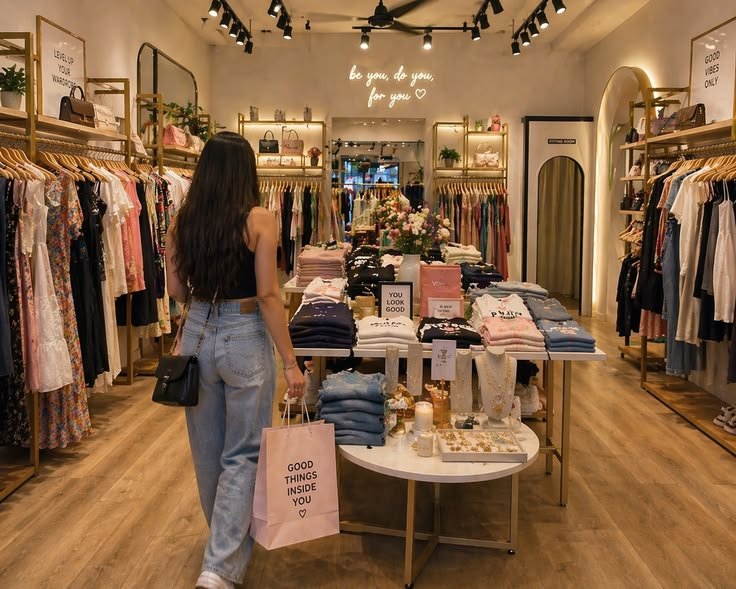
Latest Wholesale Fashion Trends Retailers Should Watch
Relaxed tailoring
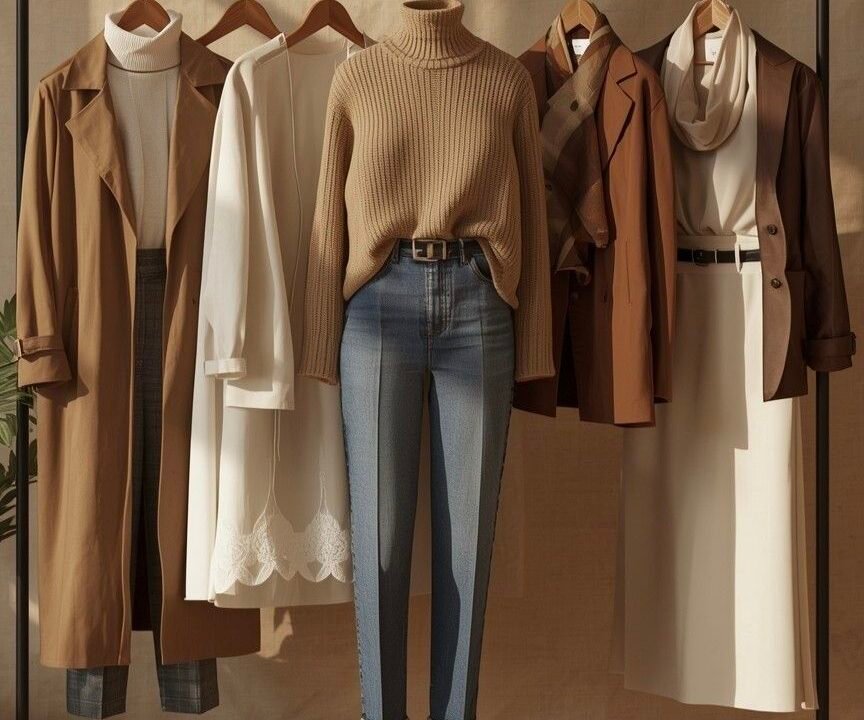
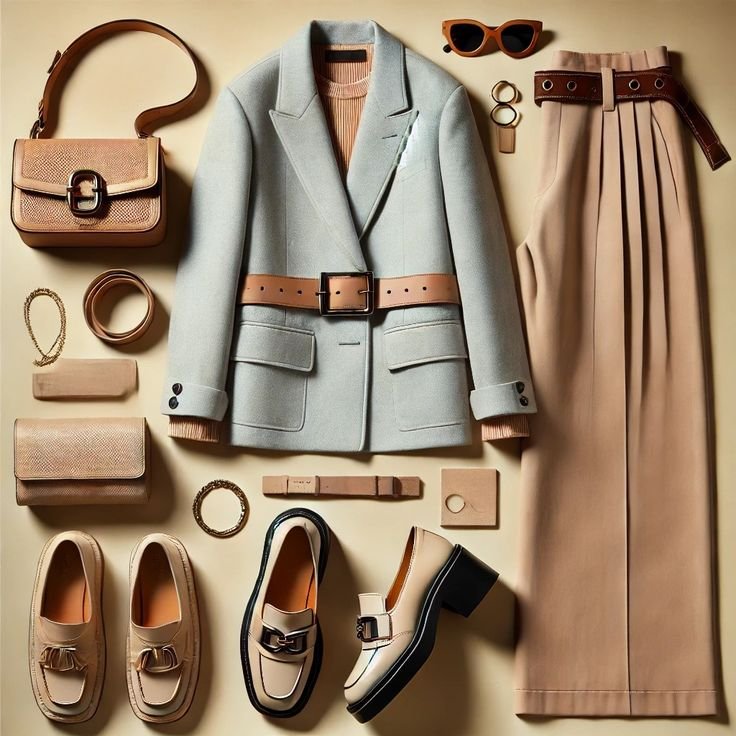
Relaxed tailoring continues to influence contemporary wardrobes. Oversized blazers wide-leg trousers tailored vests relaxed shirts and matching separates provide a modern alternative to traditional fitted workwear.
For retailers tailoring can be particularly useful because individual pieces can be sold separately or presented as complete outfits.
A relaxed blazer can work with jeans for a casual look trousers for an office outfit or a skirt for a more polished appearance. This versatility gives the product a wider range of styling possibilities.
When buying oversized tailoring retailers should pay close attention to proportions and construction. An oversized garment should look intentional rather than simply too large.
Wide-leg trousers
Wide-leg trousers have become an important alternative to narrow and skinny silhouettes. They provide a relaxed shape and can be offered in tailored fabrics denim cotton linen blends and other materials.
For wholesale buyers wide-leg trousers are attractive because they can work across several fashion categories. A tailored pair can appeal to professional customers while denim or cotton versions can suit casual shoppers.
Neutral shades such as black beige cream navy and brown can make the silhouette easier to style and merchandise.
Modern denim
Denim remains a dependable category but the preferred shapes continue to evolve. Retailers are no longer limited to one dominant jean silhouette.
Wide-leg jeans relaxed straight-leg jeans barrel-inspired cuts denim skirts denim jackets and coordinated denim outfits can all provide variety.
The key for retailers is not to buy every denim trend at once. Instead consider the preferences of your existing customers.
A boutique with a classic customer base may achieve better results from straight-leg and relaxed jeans while a trend-focused store may have more freedom to experiment with unusual shapes.
Coordinated fashion sets
Matching sets are useful because they give customers an easy outfit while allowing the individual pieces to be worn separately.
Wholesale sets can include knitwear shirt-and-trouser combinations skirt sets casual cotton coordinates and polished matching separates.
From a merchandising perspective this flexibility is valuable. A two-piece set can be displayed together to create an immediate outfit while the top and bottom can later be styled with other products.
Retailers should therefore look for sets that offer more than one styling option.
Utility-inspired clothing
Utility fashion continues to influence jackets trousers overshirts and casual separates. Cargo pockets structured layers practical jackets and workwear-inspired details can give everyday clothing a stronger visual identity.
For wholesale buyers the most useful utility pieces usually balance practicality with clean design.
A simple utility jacket or well-cut cargo trouser can be easier to sell than a garment overloaded with pockets and unnecessary details.
Feminine fashion details
Soft draping flowing silhouettes delicate decorative details subtle bows and feminine necklines can add a romantic direction to wholesale collections.
The commercial opportunity is to use these details in wearable ways.
A simple blouse with an interesting neckline may have broader appeal than an extremely decorative garment. Similarly a flowing midi dress can capture a feminine trend while remaining practical for everyday styling.
Wholesale Fashion Colors to Consider
Neutral colors
Neutral colors continue to provide a dependable foundation for many retail collections.
Black white cream beige gray brown and navy can work across seasons and make it easier for customers to combine new purchases with clothing they already own.
Retailers can use neutral products as the foundation of an assortment and then introduce smaller quantities of more noticeable seasonal colors.
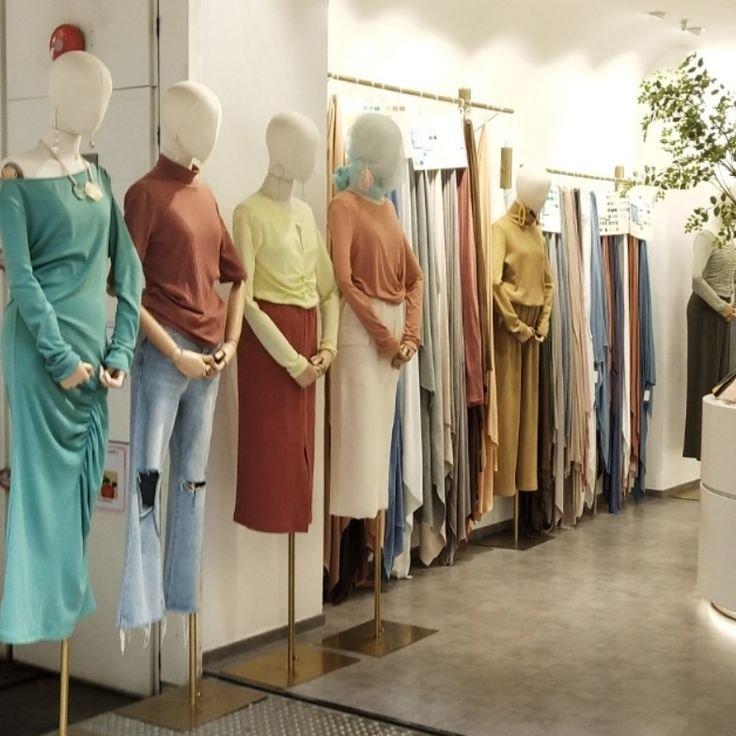
Statement colors
Stronger colors can give a wholesale collection more visual impact.
Deep reds rich greens blues warm browns soft pinks and other expressive shades can help new arrivals stand out in both physical stores and online shops.
However retailers should avoid placing too much inventory into a single statement color without evidence of customer demand.
Testing smaller quantities is often a more practical approach.
Which Wholesale Clothing Categories Should Retailers Buy?
Dresses
Dresses remain useful because they can provide customers with an almost complete outfit in one purchase.
Retailers can explore casual midi dresses maxi styles shirt dresses relaxed day dresses and occasion-focused designs.
The best choice depends on the target customer. A casual boutique may benefit from everyday dresses while a special-occasion retailer may require more formal designs.
Tops and blouses
Tops are an important category because they allow customers to update their wardrobes without purchasing an entire outfit.
Blouses shirts knit tops fitted tops and casual tees can be combined with jeans trousers skirts and shorts.
For retailers this creates multiple merchandising opportunities.
Outerwear
Jackets coats trench-inspired pieces overshirts and lightweight layers can strongly influence the appearance of a seasonal collection.
Outerwear should be selected according to the climate and customer lifestyle.
A retailer serving a warm market may focus on lightweight layers while stores in colder regions may require heavier jackets and coats.
How to Choose the Right Wholesale Fashion Trends
Understand your customer first
The most important buying decision should start with the customer rather than the trend.
Consider your audience’s age range lifestyle preferred clothing fits budget climate and shopping habits.
A trend that works for a young streetwear audience may not work for a professional customer who prefers polished wardrobe staples.
The best wholesale fashion trends are those that naturally fit the people your store is trying to serve.
Balance classic and trend-focused products
A strong retail assortment should not depend entirely on short-lived trends.
Classic products provide stability while trend-led products create freshness and give customers a reason to browse new arrivals.
For example a retailer might stock classic black trousers alongside a smaller selection of wide-leg seasonal trousers.
This approach allows the business to introduce new fashion without replacing its entire product range.
Check fabric and garment quality
Price should not be the only consideration when purchasing wholesale clothing.
Retailers should examine fabric composition stitching seams closures lining stretch transparency and finishing.
Quality problems can lead to dissatisfied customers and higher return rates particularly for online retailers.
Accurate product descriptions are also essential. Customers should be able to understand the fabric fit sizing and care requirements before purchasing.
Review sizing carefully
Sizing can significantly affect the success of a wholesale collection.
Retailers should examine actual garment measurements rather than relying only on labels such as small medium or large.
Where possible review previous sales data to understand which sizes and fits customers purchase most often.
A fashionable product has limited commercial value if customers cannot find a suitable size.
Wholesale Fashion Trends for the USA and Global Markets
The USA market
The USA is a large and diverse fashion market so retailers should avoid treating American consumers as one uniform group.
Versatile products can be particularly useful because customers may need clothing for work casual activities travel social events and everyday life.
Denim relaxed trousers blazers dresses coordinated sets and lightweight layers can fit several occasions.
Regional climate should also influence buying decisions. Seasonal demand can vary considerably between different parts of the https://www.wholesalefashiontrends.com/
Global fashion markets
Fashion trends spread internationally through social media entertainment e-commerce celebrities designers and fashion publications.
However the same trend can perform differently across countries.
Climate cultural preferences local occasions sizing systems purchasing power and established style preferences all affect consumer behavior.
International retailers should therefore adapt global trends rather than simply copying another market’s product assortment.
How Small Boutiques Can Test New Fashion Trends
Start with smaller quantities
Small initial orders can help retailers reduce the risk of investing heavily in an unproven style.
If a product sells quickly the retailer can consider reordering or expanding the category.
This approach can be particularly useful for unusual silhouettes bold colors statement prints and emerging fashion categories.
Measure actual customer behavior
Social media attention can show that people are interested in a trend but attention does not always translate into sales.
Retailers should monitor product views add-to-cart activity purchases repeat orders customer questions and returns.
Actual purchasing behavior provides stronger evidence than online popularity alone.
Style new products with familiar pieces
Customers are more likely to understand a new trend when they can see how it works with familiar clothing.
For example a retailer could pair wide-leg trousers with a simple fitted top and classic blazer.
A statement blouse could be displayed with familiar denim.
This approach makes trend-focused products easier to understand and can encourage customers to imagine multiple outfits.
Common Wholesale Fashion Buying Mistakes
Buying too much of one trend
Fashion trends can change quickly. Large inventory purchases based entirely on short-term excitement can create unnecessary financial risk.
Testing a trend first allows retailers to make decisions using real customer demand.
Ignoring quality
Cheap wholesale clothing is not always a profitable choice. Poor construction weak fabric inaccurate sizing or inconsistent finishing can create customer complaints and returns.
Retailers should consider the relationship between wholesale price quality expected selling price and customer expectations.
Following every viral trend
Not every social media trend becomes a sustainable retail category.
Buyers should distinguish between short-lived viral moments and broader changes in consumer preferences.
Forgetting the existing product range
New products should complement the existing assortment.
A retailer should consider whether customers can combine new arrivals with products already available in the store.
This creates more styling possibilities and helps the collection feel organized rather than random.
What Makes a Wholesale Fashion Trend Worth Buying?
A wholesale fashion trend deserves serious consideration when it combines current fashion relevance with practical retail potential.
Before placing an order ask:
- Does this product fit my target customer?
- Can customers style it in several ways?
- Does it match my store’s overall aesthetic?
- Is the fabric suitable for the target market?
- Is the quality appropriate for the expected retail price?
- Does the supplier provide accurate sizing information?
- Can I test the product before making a large investment?
- https://stylebydesign.site/
If the answer to most of these questions is yes the trend may have stronger commercial potential.
Frequently Asked Questions About Wholesale Fashion Trends
What are the current wholesale fashion trends?
Current wholesale fashion trends include relaxed tailoring wide-leg trousers modern denim coordinated sets utility-inspired clothing expressive colors versatile dresses and updated feminine details.
How do I know which wholesale fashion trends will sell?
Start by studying your existing customers sales history price points preferred sizes and lifestyle needs. Test unfamiliar trends with smaller orders and monitor actual sales before increasing inventory.
Should retailers focus on classic or trendy wholesale clothing?
A combination is usually more practical. Classic products provide consistency while trend-focused pieces keep the assortment fresh. The right balance depends on the store’s customers brand identity and market.
What wholesale clothing categories are easiest to merchandise?
Tops denim trousers dresses coordinated sets and versatile jackets can offer several styling possibilities. However the best category depends on the retailer’s customer and positioning.
How can a small boutique follow fashion trends without overspending?
Use small test orders monitor customer behavior avoid excessive inventory in unproven styles and reorder products that demonstrate genuine demand.
Are wholesale fashion trends different in the USA and other countries?
Yes. Global trends often influence multiple markets but climate culture lifestyle sizing purchasing power and local preferences can change what customers actually buy.
Conclusion
The best wholesale fashion trends are not necessarily the loudest or most viral styles. They are the trends that can be translated into useful products for a specific customer.
Relaxed tailoring modern denim wide-leg silhouettes coordinated sets utility details expressive colors dresses and versatile tops can help retailers create collections that feel contemporary without becoming overly dependent on short-lived fashion moments.
For USA and global retailers successful wholesale buying comes down to balance. Combine reliable wardrobe staples with carefully selected trends inspect product quality understand sizing test unfamiliar styles and pay attention to actual customer behavior.
A retailer does not need to follow every fashion movement. The stronger strategy is to identify the wholesale fashion trends that fit the brand customer season and price point then turn those trends into a focused assortment customers genuinely want to wear.