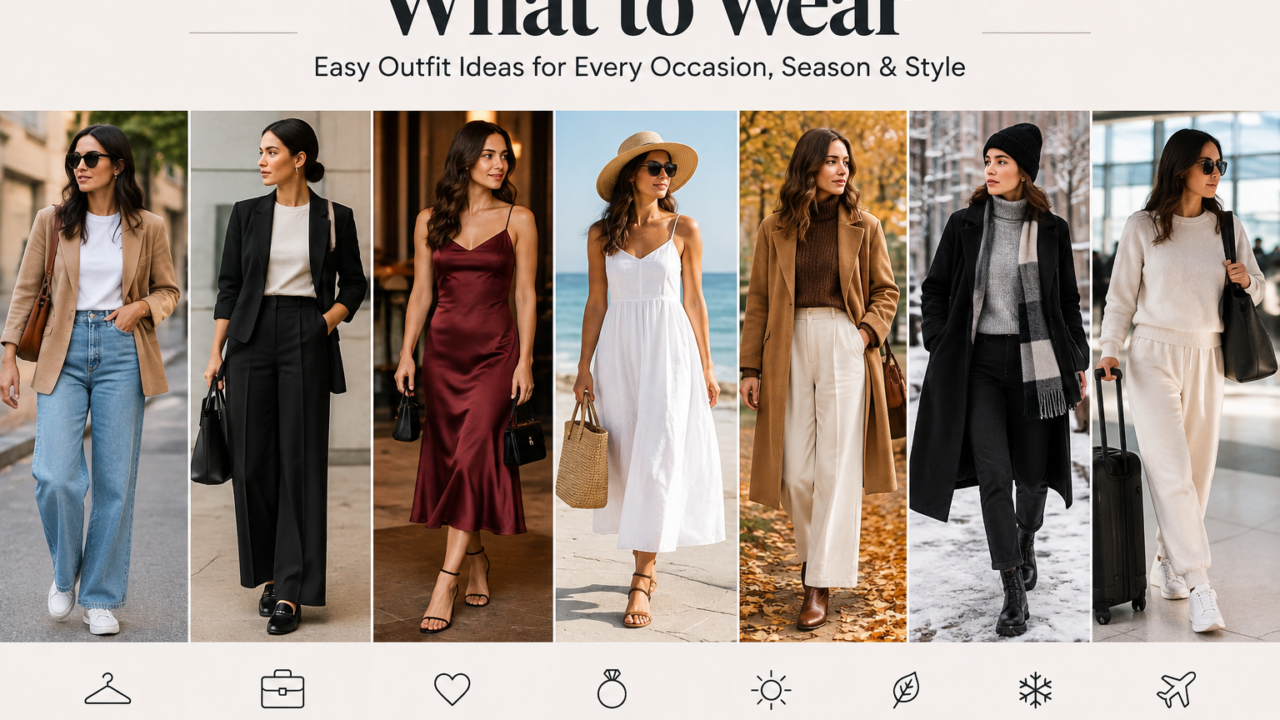
Not sure what to wear? The answer usually becomes much easier when you stop looking for one perfect outfit and start with three things: where you are going, what the weather is doing, and how you want to feel in your clothes.
A polished office outfit needs different proportions and fabrics than a weekend look. A summer wedding calls for different choices than a casual dinner, while travel demands clothing that can handle changing temperatures and long hours. Personal style matters, too. The same dress code can look completely different on someone who prefers minimalist tailoring, relaxed denim, romantic dresses, or sporty layers.
The most useful approach is to build an outfit around a clear foundation rather than adding random pieces until the look feels finished. Start with the occasion, choose an appropriate base, balance the proportions, and then use shoes, accessories, and one distinctive detail to give the outfit personality.
This guide explains what to wear for common occasions, different seasons, workdays, casual plans, dates, travel, and events, with practical styling principles you can adapt to your own wardrobe.
How to Decide What to Wear
Before choosing individual clothing pieces, answer four simple questions: Where am I going? What is the weather like? How formal is the setting? What do I want the outfit to communicate?
Those questions eliminate many of the choices that make getting dressed feel difficult.
Start With the Occasion
The occasion establishes the basic boundaries of an outfit.
For work, consider tailored trousers, a polished shirt, a knit top, a blazer, a refined dress, loafers, ballet flats, or understated heels. For a casual day, relaxed jeans, wide-leg trousers, a simple T-shirt, knitwear, sneakers, or comfortable flats may be more appropriate.
Evening plans give you more room for texture and statement pieces. A satin skirt, elegant trousers, a fitted knit, sculptural jewelry, or a refined jacket can make a simple outfit feel intentional without becoming overly formal.
If you are attending an event with a stated dress code, follow that first. Personal style should work within the dress code rather than compete with it.
Check the Weather Before Choosing the Outfit
Weather should influence fabric weight, footwear, and layering.
A lightweight cotton shirt can work beautifully on a warm day, while wool, leather, suede, or heavier knitwear makes more sense when temperatures fall. Transitional weather requires particular attention because mornings and evenings may feel very different from the afternoon.
A removable layer is often the smartest solution. A cardigan, lightweight blazer, denim jacket, cropped jacket, or trench coat can be taken off when temperatures rise.
Current September fashion coverage is emphasizing this transitional approach, with editors styling summer pieces alongside lightweight outerwear, loafers, trousers, and other early-fall elements rather than immediately moving into heavy winter clothing.
Think About Proportion, Not Just Trends
One of the easiest ways to improve an outfit is to balance volume.
If you are wearing wide-leg trousers, a fitted or neatly tucked top can create definition. If your top is oversized, a straighter or more streamlined bottom can prevent the outfit from feeling visually heavy.
That does not mean every outfit needs a fitted piece. Relaxed-on-relaxed dressing can look excellent when the fabrics, lengths, and footwear are deliberately chosen.
The goal is visual balance, not following an outdated rule about what is or is not “flattering.”
What to Wear for Casual Days
Casual dressing works best when comfort and structure are combined.
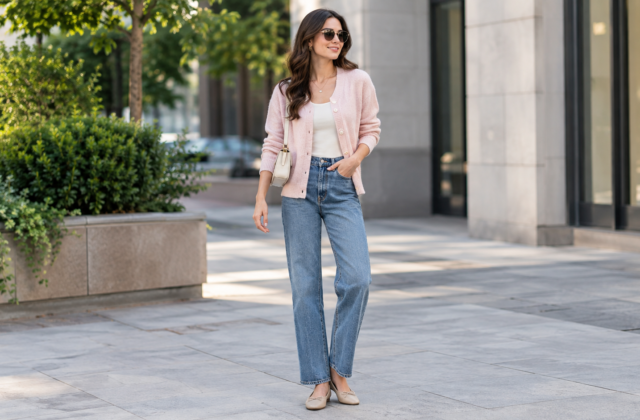
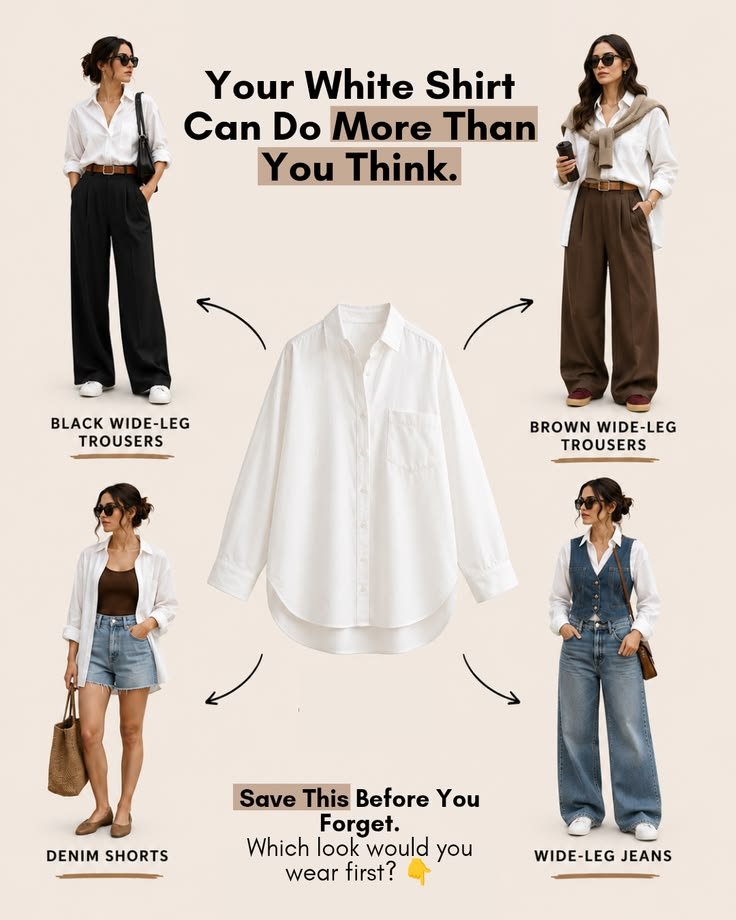
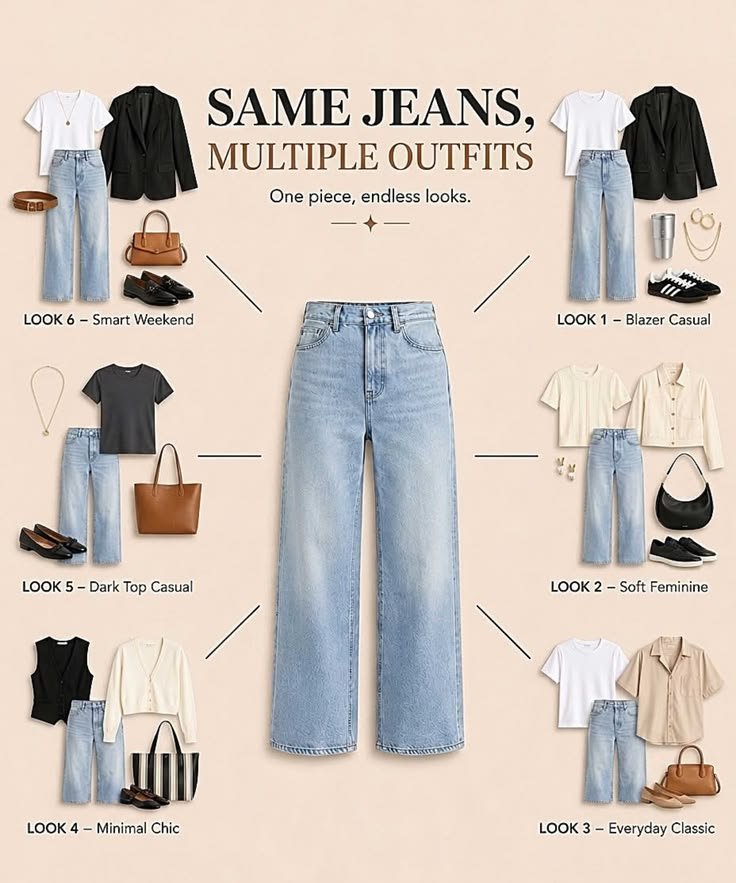
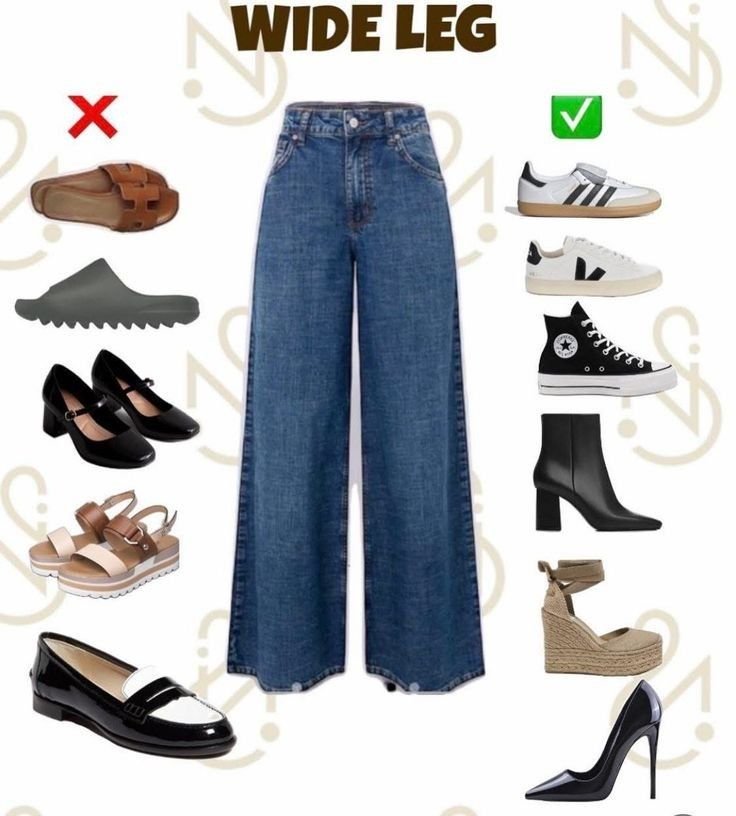
A pair of straight-leg or wide-leg jeans with a fitted T-shirt and lightweight jacket is an easy starting point. You can make the same combination feel more polished with loafers and a structured handbag, or more relaxed with sneakers and a soft shoulder bag.
Easy Everyday Outfit Formula
Try one of these combinations:
- Straight-leg jeans + fitted T-shirt + lightweight jacket + sneakers
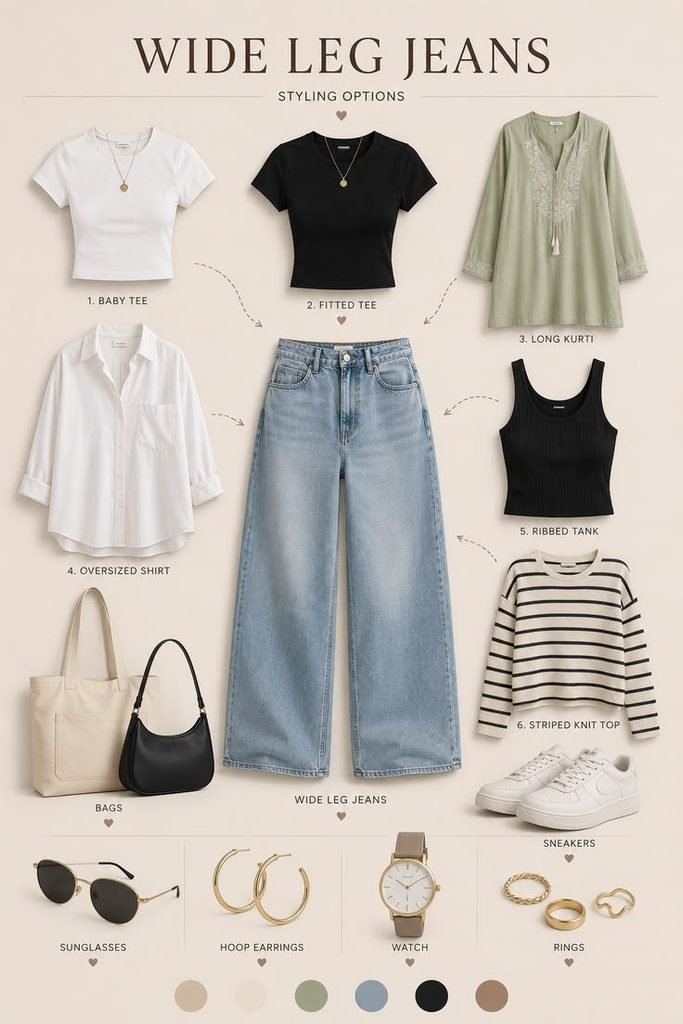
- Wide-leg trousers + simple knit + loafers
- Midi skirt + relaxed shirt + ballet flats
- Dark denim + button-down shirt + leather belt + low-profile shoes
- Casual dress + lightweight jacket + sneakers or flats
The key is not to make every item equally casual. A polished accessory or structured shoe can elevate relaxed clothing.
This balance is visible in current street-style coverage, where casual denim and everyday tops are frequently paired with more refined outerwear and accessories.
What to Wear to Work
Workwear depends heavily on the workplace. A creative studio, corporate office, medical workplace, university, and hybrid office may all have different expectations.
For a traditional professional environment, start with tailored trousers, a button-down shirt, a fine-gauge knit, a blazer, or a polished dress. Neutral colors such as navy, charcoal, cream, black, brown, and gray make coordination easy.
A Modern Office Outfit
A particularly versatile formula is:
Tailored trousers + lightweight shirt + blazer + loafers
The silhouette can be relaxed without appearing careless. A slightly oversized blazer, for example, can work with a cleaner trouser shape and a simple shirt.
For a less formal workplace, dark denim can replace tailored trousers. A fine knit polo or crisp button-down can provide enough structure without making the outfit feel corporate.
Current autumn styling is also bringing tailored separates, Oxford shirts, belts, tapered trousers, and polished shoes into transitional work wardrobes.
What to Wear on a Date
Date dressing does not require a completely new wardrobe. The strongest outfits usually combine something familiar with one noticeable detail.
For a casual date, try dark jeans with a fitted knit, an elegant blouse with straight-leg trousers, or a simple dress with refined flats.
For dinner, consider a midi dress, satin skirt with a fitted top, tailored trousers with a distinctive blouse, or a sleek monochrome outfit.
How to Make a Date Outfit Feel Personal
Choose one element that reflects your style.
That could be an unusual earring, a vintage-inspired handbag, a textured shoe, a beautiful neckline, a leather jacket, or an interesting color combination.
Avoid adding several statement pieces simply because the occasion feels special. One strong detail often looks more deliberate than five competing ones.
What to Wear to Dinner or a Night Out
Evening dressing gives you more freedom with texture, proportion, and accessories.
A black or chocolate-brown dress can be styled with metallic jewelry and elegant shoes. Tailored trousers can work with a silk-effect blouse or fitted knit. A simple skirt can become an evening outfit when paired with a sophisticated top and structured accessories.
For a more fashion-forward look, experiment with contrast: soft satin with structured leather, relaxed trousers with a fitted top, or a minimalist dress with sculptural jewelry.
The important distinction is between dressy and overdone. You do not need sequins, heels, and dramatic accessories all at once to create an evening look.
What to Wear to a Wedding
Wedding attire should begin with the invitation.
If the dress code says black tie, formal, cocktail, semi-formal, or another specific category, use that information as your starting point. The venue, season, time of day, and cultural setting can further guide the choice.
For a daytime summer wedding, breathable dresses, elegant separates, polished sandals, flats, or refined heels can work well. For cooler weather, consider longer sleeves, richer fabrics, tailored suits, elegant jumpsuits, or dresses with sophisticated outer layers.
Avoid treating wedding guest dressing as an opportunity to compete with the couple. The goal is polished, appropriate clothing that respects the event.
What to Wear in Summer
Summer dressing should prioritize breathable fabrics and ease of movement.
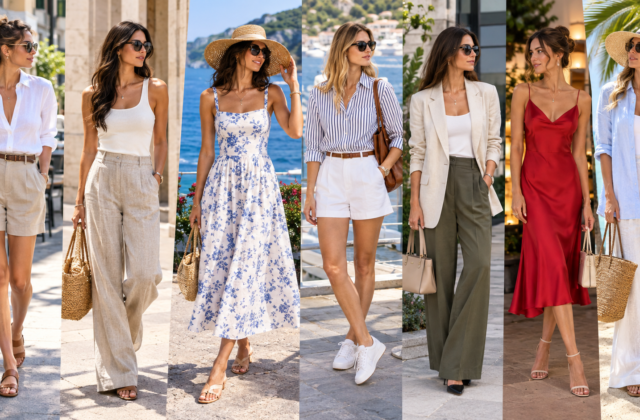
Cotton, linen, lightweight viscose, and other breathable materials can make warm-weather dressing more comfortable. Loose silhouettes can also help airflow, while lighter colors can create a visually fresh appearance.
Easy Summer Outfit Ideas
Consider:
- Linen shirt + tailored shorts + leather sandals
- Cotton midi dress + flat sandals + woven bag
- Wide-leg lightweight trousers + fitted tank + minimal jewelry
- Relaxed button-down + straight-leg jeans + sandals
- Lightweight maxi dress + simple flats
Do not assume every summer outfit needs to be extremely revealing. Sleeveless tops, open-weave layers, relaxed trousers, midi skirts, and lightweight dresses can all feel appropriate in hot weather while offering different levels of coverage.
What to Wear in Fall
Fall is one of the easiest seasons for building interesting outfits because layering creates more styling possibilities.
Start with a lighter base and introduce texture through a jacket, cardigan, blazer, trench, suede piece, or lightweight knit.
Current fall 2026 fashion coverage is highlighting pieces such as brown denim, long-sleeve tops, textured accessories, tailored outerwear, suede, and richer colors.
A Simple Fall Formula
Try:
Lightweight top + jeans or tailored trousers + transitional jacket + loafers or boots
You can also keep wearing a summer dress by adding a cropped jacket, cardigan, trench, or structured shoes. This is often more practical than replacing your wardrobe every time the season changes.
What to Wear in Winter
Winter dressing begins with warmth, but warmth does not require sacrificing shape.
Build the outfit in layers. A base layer provides comfort, knitwear adds insulation, and outerwear protects against the weather.
For colder climates, consider wool coats, insulated jackets, knit sweaters, thermal layers, scarves, gloves, and weather-appropriate boots.
How to Stay Warm Without Looking Bulky
Use different weights rather than piling several heavy garments together.
For example, a thin base layer under a fine knit and structured coat can provide warmth without the exaggerated volume created by multiple thick sweaters.
Your footwear should also match the conditions. A beautiful shoe is not a useful choice if snow, rain, or ice makes it impractical.
What to Wear in Spring
Spring dressing benefits from lighter layers and a gradual shift toward brighter or softer colors.
A trench coat, lightweight cardigan, denim jacket, cotton shirt, midi skirt, relaxed trousers, or transitional dress can form the basis of a spring wardrobe.
Do not feel obligated to wear florals or pastel colors simply because it is spring. Navy, cream, black, denim, brown, and gray remain useful foundations, while one brighter accessory can introduce seasonal color without changing the entire outfit.
What to Wear When You Want to Look More Put-Together
Looking polished is often less about wearing expensive clothes and more about creating visual consistency.
Start with clothes that fit properly and are appropriate for the setting. Then pay attention to shoes, grooming, fabric condition, and accessories.
Use One Statement Piece
A statement piece gives an outfit a focal point.
It might be:
- A dramatic jacket
- A sculptural shoe
- A distinctive handbag
- A bold necklace
- A patterned skirt
- A strong color
- An interesting silhouette
Keep the surrounding pieces relatively simple so the statement item has room to work.
A current styling philosophy often uses a simple formula: one statement element, one grounding neutral, and one intentional styling detail.
Repeat a Color
Color repetition is one of the easiest styling techniques.
If you wear burgundy shoes, for example, a small burgundy detail in a bag, belt, scarf, or jewelry can make the outfit feel connected. The repeated color does not need to match perfectly.
You can also build a monochromatic outfit using different shades of one color. This creates visual continuity without requiring complicated styling.
What to Wear When You Have Nothing to Wear
The feeling of having “nothing to wear” usually does not mean you literally have no clothes. More often, it means the available pieces do not immediately form a complete outfit.
Instead of pulling everything from the closet, choose one reliable item first.
Start with your favorite jeans, trousers, skirt, or dress. Then select a top that works with it. Add one layer, choose the shoes, and finish with one accessory.
For example:
Dark jeans → white or cream shirt → brown belt → loafers → structured bag
That is enough for a polished everyday outfit.
Once you have a reliable formula, change only one element at a time. Swap the loafers for sneakers, the shirt for a knit, or the jeans for tailored trousers. This creates several outfits without starting from zero each morning.
What to Wear When Traveling
Travel outfits need to handle comfort, temperature changes, and practical movement.
A strong airport or travel combination might include relaxed trousers or comfortable jeans, a breathable top, a cardigan or jacket, and supportive shoes.
Choose layers that can be removed easily. If you are traveling between different climates, this becomes especially useful.
Neutral colors are practical because they allow more combinations. A small selection of interchangeable tops, bottoms, and one versatile outer layer can create several outfits without overpacking.
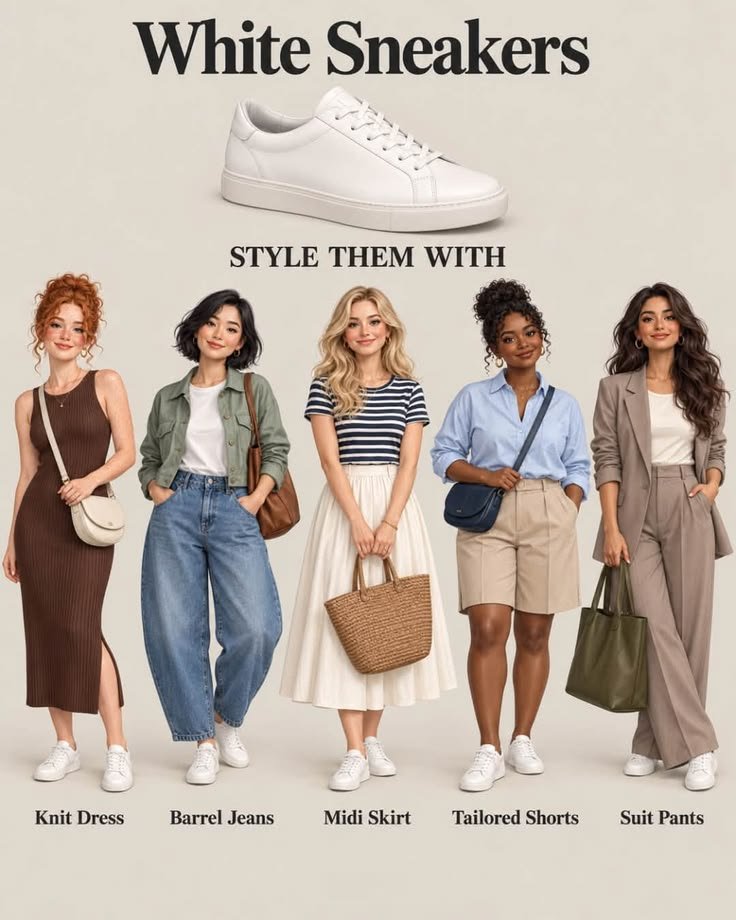
Comfort should not mean wearing clothing that looks unfinished. A clean sneaker, structured tote, simple jewelry, sunglasses, or polished jacket can make comfortable travel clothes look intentional.
How to Dress for Your Personal Style
Trends can provide inspiration, but they should not replace personal style.
If you prefer minimalism, focus on strong silhouettes, restrained color palettes, quality-looking textures, and clean accessories.
If your style is romantic, experiment with dresses, soft textures, delicate details, and feminine proportions.
For a streetwear aesthetic, consider relaxed trousers, oversized layers, sneakers, graphic elements, and utilitarian details.
If you prefer classic fashion, invest your attention in tailoring, timeless shirts, trousers, coats, leather accessories, and versatile footwear.
Use Trends Selectively
You do not need to adopt an entire trend to make your wardrobe feel current.
For fall 2026, for example, fashion coverage is showing interest in pieces such as suede, brown denim, statement accessories, tailored jackets, richer colors, and more expressive proportions.
Choose the trend that fits your existing wardrobe rather than buying several unrelated pieces.
That approach makes fashion feel more personal and usually produces outfits you will actually wear.
What to Wear When You Are Unsure About the Dress Code
If the dress code is unclear, look for clues in the invitation, venue, time, event type, and expected audience.
For a business event, lean polished. For a restaurant dinner, choose elevated casual unless the venue suggests something more formal. For a daytime celebration, refined separates or a polished dress are generally versatile starting points.
When uncertain, it is usually easier to make a moderately polished outfit more casual than to rescue an outfit that is significantly underdressed.
A blazer, elegant cardigan, structured bag, or refined shoes can also give you flexibility.
Frequently Asked Questions
What should I wear if I do not know what to wear?
Start with the occasion, weather, and dress code. Then choose one reliable foundation such as jeans, tailored trousers, a skirt, or a simple dress. Add a layer, appropriate shoes, and one accessory. Keeping the outfit simple is often more effective than adding more pieces.
What is the easiest outfit formula?
A useful everyday formula is simple base + structured layer + intentional shoes. For example, straight-leg jeans, a fitted T-shirt, a blazer, and loafers can work for many casual-to-polished situations. You can adapt the formula by changing the footwear or outer layer.
How can I look stylish without following every trend?
Build your wardrobe around silhouettes, colors, and pieces you genuinely enjoy wearing. Add current trends selectively through one item or accessory rather than replacing your entire wardrobe. This allows your outfits to feel contemporary without becoming dependent on short-lived trends.
What should I wear when the weather keeps changing?
Use removable layers. A lightweight shirt, cardigan, blazer, denim jacket, or trench can adapt to temperature changes without forcing you to wear heavy clothing throughout the day. Fabric weight is just as important as layering.
What should I wear to look more polished?
Focus on fit, proportion, fabric condition, footwear, and accessories. A simple outfit with well-balanced proportions and clean shoes can appear more polished than a complicated outfit filled with trend pieces.
How do I choose an outfit for a special occasion?
Begin with the dress code and setting. Then consider the season, time of day, venue, and expected level of formality. Choose an outfit that fits the event first and reflects your personal style second.
Final Thoughts
Knowing what to wear becomes much easier when clothing decisions have a clear starting point. Instead of asking which single outfit is fashionable, consider the occasion, weather, dress code, comfort, and your own aesthetic.
A good wardrobe should give you options. The same pair of trousers can work for the office with a blazer, for dinner with a refined top, or for the weekend with a relaxed shirt and sneakers. A summer dress can move into early fall with the right jacket and shoes. A simple pair of jeans can become polished through tailoring, accessories, and deliberate proportions.
The most useful fashion choices are not necessarily the most complicated ones. Start with clothes that fit your life, build around reliable outfit formulas, introduce trends selectively, and use accessories to express personality.
When you are wondering what to wear, the best answer is rarely about finding the one perfect outfit. It is about understanding the situation and knowing how to make your existing wardrobe work for it.
What should I wear if I don’t know what to wear?
Start by considering the occasion, weather, dress code, and your comfort. Choose one reliable foundation, such as jeans, tailored trousers, a skirt, or a simple dress, then add appropriate shoes, a layer, and one accessory.
What is the easiest outfit formula for everyday wear?
A simple formula is a comfortable base, a structured layer, and polished footwear. For example, straight-leg jeans with a fitted T-shirt, blazer, and loafers can create an easy outfit that works for many casual and smart-casual settings.
What should I wear to look more stylish?
Focus on fit, proportions, color coordination, and appropriate accessories. A simple outfit can look stylish when the clothing fits well, the colors work together, and the shoes and accessories complement the overall look.
What should I wear for different seasons?
Choose breathable fabrics and lightweight layers for spring and summer, transitional jackets and knitwear for fall, and insulated layers, coats, and weather-appropriate footwear for winter. The exact choices should also reflect your local climate.
How do I choose what to wear for a special occasion?
Start with the invitation and dress code. Then consider the venue, time of day, season, and level of formality. Choose clothing that meets the event requirements while still reflecting your personal style.
How can I look put-together without buying new clothes?
Build an outfit around pieces you already own and pay attention to fit, proportions, footwear, and accessories. Try changing one element at a time, such as swapping sneakers for loafers or adding a blazer, to create a more polished look.