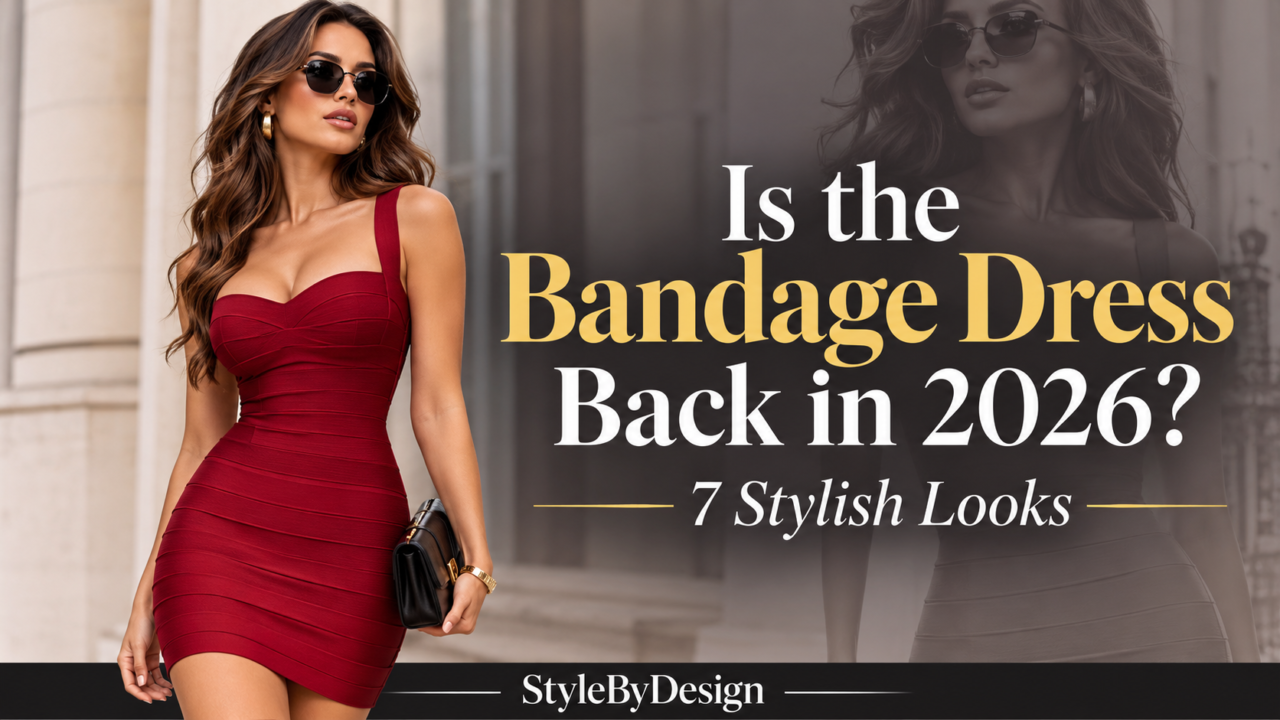
The bandage dress is having a serious fashion moment again, and it feels like a direct flashback to the early 2010s. Remember the days when celebrities stepped onto red carpets in figure-hugging mini dresses, sky-high heels, and perfectly coordinated accessories? That unmistakable going-out look is finding its way back into the fashion conversation.
Once closely associated with Hervé Léger, celebrity nightlife, and the glamorous party culture of the 2000s and early 2010s, the bandage dress is being rediscovered by a new generation. Recent celebrity appearances, designer reinterpretations, and growing interest in nostalgic fashion have helped bring this fitted silhouette back into the spotlight.
But does it still feel stylish in 2026, or is it a trend that belongs in old celebrity photographs?
The interesting part is that today’s version doesn’t have to look exactly like the original. Softer styling, updated lengths, interesting textures, and more relaxed accessories are giving the classic silhouette a fresh identity. Here’s why the bandage dress is returning, how fashion is updating it, and whether this throwback deserves a place in your wardrobe.
What Is a Bandage Dress?
A bandage dress is a fitted dress constructed from wide, stretchy fabric panels or knitted bands that wrap around the body. These sections create a sculpted, body-conscious silhouette that follows the natural shape of the figure.
The name comes from the dress’s distinctive construction, which resembles overlapping bandages. Unlike an ordinary bodycon dress made from a single piece of stretchy fabric, a traditional bandage dress uses structured, substantial material to create its signature appearance.

The silhouette is particularly associated with French designer Azzedine Alaïa and the fashion house Hervé Léger, which helped popularize the look through its signature body-conscious designs.
Common characteristics include:
- Thick, stretchy knitted or elasticated fabric.
- Horizontal or diagonal band-like construction.
- A close-fitting waist and hip silhouette.
- Mini, midi, and occasionally full-length designs.
- Strapless, sleeveless, halter-neck, and one-shoulder variations.
- Structured material that provides a sculpted appearance.
A bandage dress is closely related to a bodycon dress, but the two aren’t exactly interchangeable. Bodycon describes a general figure-hugging silhouette, while bandage refers more specifically to the construction and fabric technique.
Why Is the Bandage Dress Trending Again in 2026?
Fashion rarely leaves its favorite silhouettes behind forever. After years of oversized clothing, relaxed tailoring, and minimalist outfits dominating many wardrobes, fitted party dresses are getting another opportunity to stand out.
The bandage dress revival is part of a wider interest in late-2000s and early-2010s fashion. However, several developments are helping this particular style attract attention again.
1. Early 2010s Nostalgia Is Back
The early 2010s had a very recognizable going-out aesthetic. Think fitted mini dresses, statement necklaces, platform heels, oversized sunglasses, and small evening bags.
Celebrities such as Rihanna, Kim Kardashian, and other popular style figures helped make body-conscious partywear a recognizable part of the era.
For younger fashion enthusiasts, these looks offer something different from the oversized silhouettes that have dominated recent streetwear conversations. For millennials, they bring back memories of a particularly glamorous period of celebrity fashion.
The renewed interest isn’t necessarily about recreating every outfit from 2010. It’s about borrowing recognizable elements and styling them with a contemporary perspective.
2. Celebrity Fashion Is Bringing the Silhouette Back
Celebrity appearances have played an important role in making bandage dresses visible again.
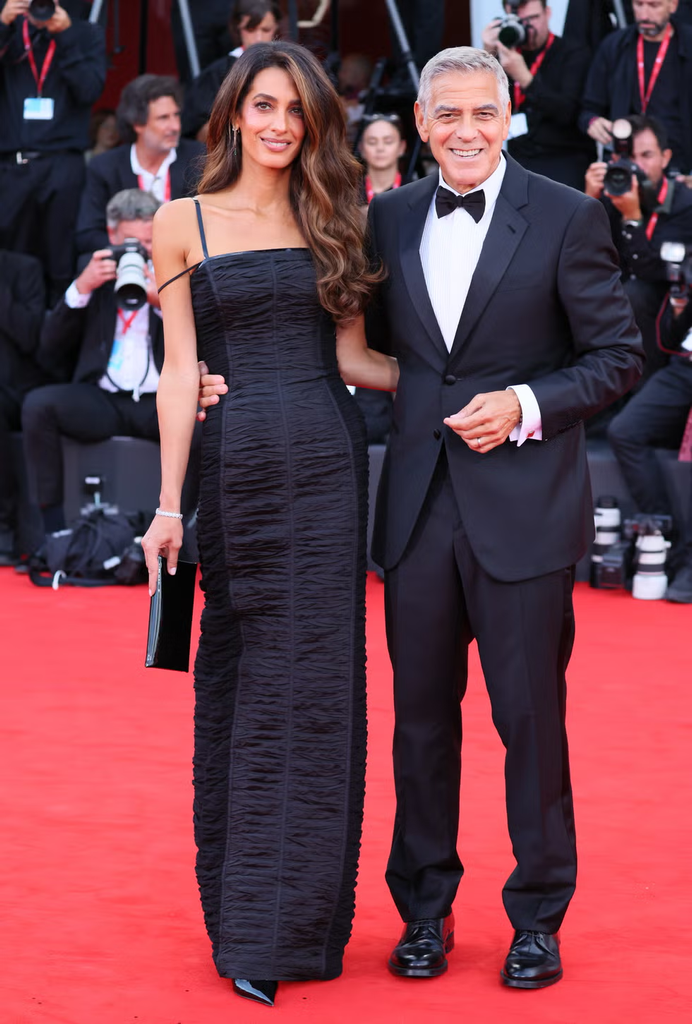
Recent fashion coverage has highlighted Lili Reinhart wearing a Hervé Léger design, alongside appearances by Amal Clooney, Zara Larsson, and Olivia Dean in different interpretations of the fitted silhouette.
Kaia Gerber has also attracted attention for wearing a white Hervé Léger dress that recalled an iconic look worn by her mother, Cindy Crawford, at the 1993 Academy Awards.
These appearances show that the style isn’t limited to its original nightlife identity. It can also work for red-carpet events, fashion celebrations, and carefully styled evening occasions.
3. Designers Are Revisiting Body-Conscious Fashion
Another reason behind the revival is renewed designer interest in sculpted silhouettes.
Fashion labels are exploring fitted dresses, structured knitwear, corset-inspired shapes, cutouts, and carefully placed draping. The bandage dress fits naturally into this conversation.
However, the modern interpretation isn’t always a direct reproduction of the original Hervé Léger designs.
Some versions feature softer construction, longer hemlines, asymmetrical details, or more subtle textures. These adjustments make the familiar silhouette feel less like a costume from another decade.
4. Social Media Is Rediscovering 2010s Party Fashion
TikTok, Instagram, and Pinterest have made it easier for younger audiences to discover older fashion trends.
Vintage celebrity photographs, outfit recreations, resale finds, and styling videos are helping introduce the bandage dress to people who may never have worn one during its original popularity.
Secondhand fashion also adds another dimension. Vintage Hervé Léger pieces and other early-2010s party dresses offer shoppers an opportunity to find original designs rather than purchasing a newly produced interpretation.
The result is a trend that combines nostalgia with individual styling.
The Difference Between the Original and Modern Bandage Dress
The bandage dress of the early 2010s had a very specific fashion identity. It was often short, extremely fitted, and styled for glamorous nightlife.
The 2026 conversation is more flexible. The recognizable silhouette remains, but the surrounding styling has changed.
| Early 2010s version | Modern 2026 interpretation |
|---|---|
| Very short mini dresses | Mini, midi, and longer lengths |
| High platform heels | Slingbacks, sandals, and sleek pumps |
| Heavy statement necklaces | Minimal jewelry |
| Matching accessories | Contrasting textures and accessories |
| Dramatic party makeup | Softer or more defined makeup |
| Tight, coordinated outfits | Relaxed outerwear and layering |
| Traditional horizontal bands | Asymmetrical and updated construction |
The biggest difference is balance. Rather than making every part of an outfit equally dramatic, modern styling allows the dress to become the main attraction.
That small adjustment can make a familiar 2010s look feel considerably more current.

7 Bandage Dress Styles Worth Trying in 2026
Not every bandage dress needs to look like a nightclub outfit. Different necklines, lengths, and colors offer plenty of styling possibilities.
1. The Classic Black Bandage Dress
A black bandage dress is probably the easiest version to introduce into a modern wardrobe.
Its clean color makes the distinctive construction stand out without requiring excessive accessories. A knee-length or midi design can work particularly well for evening dinners, birthday celebrations, and formal gatherings.
Style it with black pointed-toe heels, a small shoulder bag, and delicate earrings.
For a more relaxed appearance, add an oversized blazer and simple sandals. The contrast between structured fabric and loose tailoring gives the outfit a more contemporary feel.
2. The Red Bandage Mini Dress
Red brings the original party spirit back immediately.
A red mini bandage dress creates a confident evening outfit without needing complicated styling. It works particularly well for birthday parties, celebrations, and special nights out.
Keep accessories relatively simple. Nude or black heels, a compact handbag, and understated jewelry can prevent the outfit from becoming visually overwhelming.
If bright red feels too dramatic, consider burgundy or wine shades. These colors offer a slightly deeper and more understated alternative.
3. The Strapless Bandage Dress
The strapless version is one of the most recognizable interpretations of this silhouette.
Its open neckline creates a clean upper-body shape, making it a strong choice for evening occasions.
For a modern look, choose a midi-length design rather than automatically reaching for a very short mini. Pair it with elegant heels, a structured clutch, and a simple bracelet.
Pay attention to the fit around the bust. A strapless dress should feel secure when walking and sitting, not require constant adjustment.
4. The Long-Sleeve Bandage Dress
A long-sleeve version offers a useful balance between coverage and a fitted silhouette.
It is particularly suitable for cooler evenings, autumn events, and occasions when a sleeveless dress doesn’t feel appropriate.
Look for designs with a clean neckline and minimal detailing. Knee-length and midi options can be especially versatile.
Ankle boots, pointed pumps, or simple heeled sandals can complete the outfit depending on the season.
5. The Asymmetrical Bandage Dress
Asymmetrical designs provide a fresh alternative to the traditional horizontal-band look.
One-shoulder necklines, diagonal construction, uneven hemlines, and side draping create visual interest without changing the basic body-conscious silhouette.
This is a particularly good option for anyone who likes the bandage dress trend but doesn’t want an outfit that looks like a direct recreation of an early-2010s celebrity photograph.
Choose one standout design detail and keep the remaining accessories understated.
6. The Neutral-Tone Bandage Dress
Black and red may be classic choices, but neutral colors offer a more subtle approach.
Chocolate brown, cream, taupe, beige, and charcoal can make a fitted dress feel refined and easy to style.
A chocolate-brown midi bandage dress with gold earrings and minimal heels, for example, creates a sophisticated evening outfit without relying on bright colors or excessive decoration.
Neutral shades are also useful when building a wardrobe around pieces that can be worn for different occasions.
7. The Color-Blocked Bandage Dress
Color blocking was a recognizable part of the original bandage dress aesthetic, and it remains an interesting option for people who enjoy statement fashion.
Contrasting bands can emphasize the dress’s construction and create a striking visual effect.
For a contemporary approach, choose a design with two or three complementary shades rather than too many competing colors.
Keep the shoes and handbag simple so the dress remains the focus.
How to Style a Bandage Dress Without Looking Stuck in 2010
This is probably the most important question surrounding the comeback.
The bandage dress has a strong visual connection to early-2010s celebrity culture. Wearing the same dress with the same accessories, hairstyle, and footwear can make an outfit look like a themed throwback rather than a fresh fashion choice.
The solution is to update the styling.
Pair It With an Oversized Blazer
An oversized blazer is one of the easiest ways to balance a close-fitting dress.
The contrast between relaxed outerwear and structured fabric creates a more interesting silhouette. A black blazer works with almost any color, while beige, gray, and chocolate brown provide softer alternatives.
For an evening outfit, try a black midi bandage dress with an oversized charcoal blazer and pointed heels.
Choose Modern Footwear
Platform pumps were closely associated with the original bandage dress aesthetic.
They can still work if you enjoy that look, but they aren’t your only option.
Consider:
- Minimal strappy sandals for evening events.
- Pointed-toe pumps for a polished appearance.
- Slingback heels for a refined finish.
- Simple ankle boots for cooler weather.
- Elegant flat sandals for more relaxed occasions.
The best footwear depends on the dress length, event, and overall proportions.
Keep Accessories Under Control
The dress already has a strong silhouette, so it doesn’t need an accessory competition.
Instead of combining a statement necklace, large earrings, an embellished clutch, and dramatic shoes, select one or two pieces that complement the outfit.
Small gold earrings, a delicate bracelet, or a compact shoulder bag can be enough.
Experiment With Layering
Layering gives a traditional fitted dress a different personality.
A leather jacket introduces an edgier feeling, while a tailored coat creates a more sophisticated appearance.
For daytime styling, a relaxed cardigan or lightweight jacket can soften the dress’s partywear associations.
The important thing is to choose outerwear that complements the dress rather than hiding its entire silhouette.
Choose a Length That Works for Your Lifestyle
Mini dresses create the strongest connection to early-2010s nightlife, but midi and knee-length versions can be easier to wear for different occasions.
A midi dress may be more practical for dinner reservations, formal gatherings, and evening celebrations.
A mini version is a natural choice for parties and nights out.
There is no universally correct length. Comfort, personal preference, and the occasion should guide the decision.
Where to Wear a Bandage Dress in 2026
One reason the silhouette remains interesting is its versatility for evening occasions.

Birthday parties: A red, black, or metallic mini bandage dress creates a noticeable party outfit. Pair it with simple heels and a compact handbag.
Dinner dates: A neutral midi design with delicate jewelry and slingback heels offers a more understated approach.
Cocktail parties: A strapless or asymmetrical bandage dress can work beautifully for cocktail events, provided the length and neckline match the dress code.
Wedding guest occasions: A refined midi or longer design may suit certain evening weddings. Avoid overly revealing styles when the event calls for conservative or formal dressing, and always respect the couple’s dress code.
Formal celebrations: A longer bandage gown with minimal accessories can provide a polished alternative to more traditional evening dresses.
For daytime occasions, consider softer fabrics and more relaxed outerwear. Traditional bandage construction can feel quite dressy, so the setting matters.
What to Look for Before Buying a Bandage Dress
A beautiful photograph doesn’t always tell you whether a dress will be comfortable or well constructed.
Because bandage dresses rely on close-fitting material, fabric quality and fit deserve particular attention.
Check the Fabric Weight
Traditional bandage dresses generally use substantial stretch material.
A dress that feels too thin may lack the structure that makes this style distinctive. Check product descriptions for fabric composition, thickness, and construction details.
Pay Attention to Stretch and Recovery
Stretch is important, but the material should also recover its shape after being worn.
Look for fabric that feels supportive without being painfully restrictive. Excessive compression can make sitting, walking, and moving uncomfortable.
Read the Sizing Information
Sizing can vary considerably between brands.
Check bust, waist, hip, and length measurements rather than relying entirely on your usual size. If shopping online in the USA or internationally, read the return policy before ordering.
Consider the Occasion
A very short strapless dress may be perfect for a party but less practical for a formal dinner.
Think about where you plan to wear the dress before selecting a particular neckline, length, or color.
Explore Vintage and Resale Options
If you love the original early-2010s aesthetic, secondhand platforms can be useful places to search for vintage Hervé Léger designs.
Inspect photographs carefully, check the garment’s condition, and ask about fabric wear, seams, and alterations when purchasing pre-owned pieces.
A well-maintained vintage dress can offer a more authentic connection to the original trend.
Is the Bandage Dress Trend Worth Trying in 2026?
My editorial take: yes, but it doesn’t need to become an everyday wardrobe essential.
The appeal of the bandage dress is its unmistakable silhouette. It brings back a particular kind of dressed-up glamour that feels very different from relaxed denim, oversized shirts, and loose-fitting everyday clothing.
Still, its comeback doesn’t mean everyone needs to wear it.
If you enjoy fitted silhouettes, statement partywear, and nostalgic fashion, this trend offers plenty of opportunities to experiment. If you prefer relaxed clothing, you can skip the trend without missing anything essential.
There is also a middle ground. A softly structured midi dress, a ribbed bodycon design, or a ruched evening dress can capture a similar aesthetic without committing to traditional bandage construction.
The most successful way to approach a returning trend is to make it work with your existing style rather than changing your entire wardrobe around it.
Frequently Asked Questions About Bandage Dresses
1. Are bandage dresses back in fashion in 2026?
Yes. Bandage dresses are receiving renewed attention in 2026 through celebrity appearances, designer reinterpretations, and growing interest in early-2000s and 2010s fashion. Modern versions include updated lengths, asymmetrical details, and more understated styling.
2. What is the difference between a bandage dress and a bodycon dress?
A bodycon dress is any dress designed to fit closely to the body. A bandage dress is a more specific style constructed from substantial stretchy bands or knitted panels that create a sculpted appearance. Every traditional bandage dress is body-conscious, but not every bodycon dress is a bandage dress.
3. Who made the original bandage dress popular?
Designer Azzedine Alaïa is widely associated with the development of the bandage-style silhouette. Hervé Léger later became one of the most recognizable names connected with the design, helping popularize it through body-hugging dresses worn by celebrities and models.
4. How do you make a bandage dress look modern?
Choose updated lengths, simple accessories, and contemporary footwear. Pairing a fitted dress with an oversized blazer, leather jacket, or relaxed coat can also create a more balanced outfit. Avoid recreating every accessory and styling detail from the early 2010s.
5. Are bandage dresses comfortable to wear?
They can be comfortable when the fabric has suitable stretch and the sizing is correct. However, traditional bandage dresses can feel restrictive because of their structured construction. Check the measurements, fabric composition, and fit before buying, particularly around the bust, waist, and hips.
6. Can you wear a bandage dress to a wedding?
Yes, depending on the dress design and wedding dress code. A sophisticated midi or longer bandage dress can work for some formal and evening weddings. Choose an appropriate neckline and length, avoid overly revealing designs when the occasion calls for modesty, and follow the couple’s requested dress code.
Final Thoughts: Are You Here for the Bandage Dress Comeback?
The bandage dress returning in 2026 is another reminder that fashion trends rarely disappear permanently. A silhouette once associated with early-2010s celebrity parties is finding a new audience through nostalgia, designer creativity, and updated styling.
The modern version doesn’t have to include towering platforms, oversized statement jewelry, or the exact styling formula that made the dress famous.
A clean black midi, an asymmetrical design, or a colorful mini can all give the trend a fresh direction.
Personally, the most interesting part of this comeback isn’t the return of the original dress. It’s seeing how a new generation interprets a style that once defined an entirely different fashion era.
So, are you bringing the bandage dress back into your wardrobe, or are you happy leaving this 2010s favorite in the archives?
Recommended Articles: