Old Hollywood outfits are built around a very specific kind of glamour: deliberate silhouettes, beautiful fabrics, controlled proportions, polished accessories, and enough drama to look striking without becoming chaotic.
The style is closely associated with Hollywood’s Golden Age, particularly the 1930s through the 1950s, when costume designers helped create recognizable screen identities for stars and films. Designers such as Gilbert Adrian, Travis Banton, Edith Head, Walter Plunkett, Orry-Kelly, Irene, and others demonstrated that clothing could communicate personality, status, romance, power, and transformation.
The result was much more sophisticated than simply wearing a long dress and red lipstick.
Authentic-looking old Hollywood outfits depend on the relationship between garment construction, fabric movement, lighting, accessories, grooming, and posture. A bias-cut satin gown works because it follows the body differently from a stiff cocktail dress. A tuxedo feels cinematic because its proportions create a clean, formal line. A pair of gloves changes the visual balance of an otherwise simple evening look.
That is why Old Hollywood remains useful as a styling reference today. You do not have to reproduce a 1930s or 1940s costume. Instead, you can borrow the design principles that made those clothes memorable.
What Defines Old Hollywood Outfits?
Old Hollywood style is best understood as a visual language rather than a single dress code.
It emphasizes elegance, structure, femininity or tailored masculinity, luxurious texture, and deliberate presentation. Evening clothing often featured fabrics that reacted beautifully to studio lighting, including satin, silk, velvet, chiffon, metallic textiles, and sequined surfaces.
The silhouette was equally important.
Women’s eveningwear could be elongated and fluid, closely following the body before releasing into a skirt or train. Other designs created more dramatic structure through padded shoulders, fitted waists, sculptural sleeves, or architectural draping.
The Metropolitan Museum of Art’s collection provides strong evidence of how sophisticated these constructions could be. Gilbert Adrian, one of Hollywood’s most influential costume designers, used shape and construction to create memorable garments, while designers such as Charles James treated eveningwear almost as architectural sculpture.
For men, Old Hollywood style generally relied on sharply cut tailoring: dinner jackets, tuxedos, white shirts, bow ties, polished shoes, and carefully proportioned accessories.
The important point is restraint.
An Old Hollywood outfit usually has one or two dominant visual statements, rather than competing details everywhere.
A satin gown may be the statement. The jewelry supports it.
A velvet dinner jacket may be the statement. The shirt and trousers keep the rest controlled.
That balance is one of the easiest ways to make vintage-inspired clothing look sophisticated rather than theatrical.
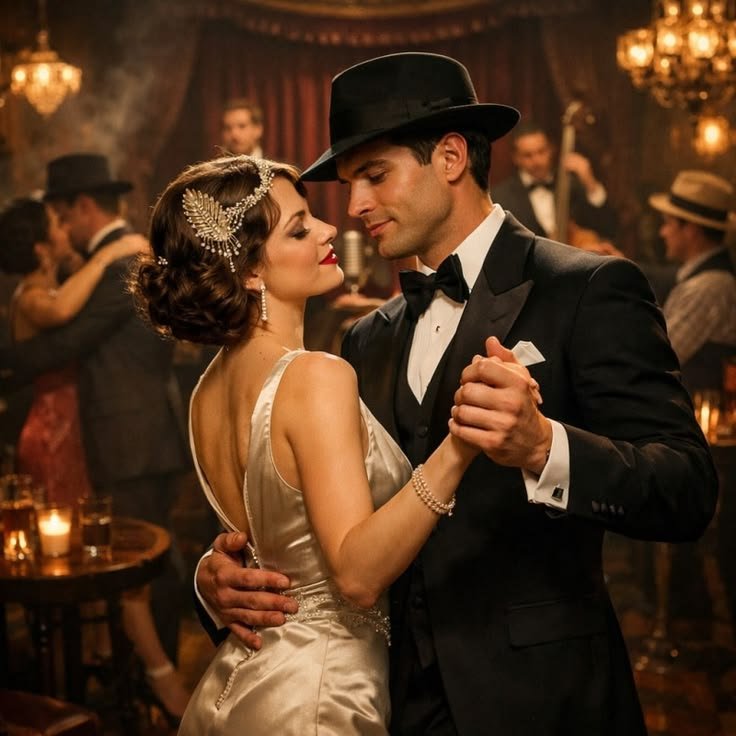
The Fashion Eras Behind Old Hollywood Glamour
Old Hollywood was not one uniform period. Its visual language changed substantially from the 1930s to the 1950s.
1930s Hollywood
The 1930s brought long, elegant silhouettes and fluid eveningwear. Bias cutting allowed fabrics to follow the body’s curves with relatively little stiffness.
Art Deco aesthetics also influenced the period through geometric details, reflective surfaces, and streamlined shapes. The V&A notes that 1930s eveningwear frequently combined long fluid forms with geometric design and reflective satin.
Hollywood photography intensified this effect. Studio lighting made shiny textiles, jewelry, smooth hairstyles, and carefully placed highlights especially effective on screen.
A 1930s-inspired modern outfit might therefore feature:
- A floor-length satin gown
- A low or softly draped neckline
- Art Deco-inspired jewelry
- Metallic heels
- A compact evening bag
- Sculpted waves
- A defined lip
The goal is elongation rather than excessive volume.
1940s Hollywood
The 1940s introduced stronger tailoring and more structured shoulders.
The decade was shaped by wartime realities, which encouraged practical and comparatively restrained clothing in everyday life. At the same time, Hollywood continued producing glamorous eveningwear as an important form of escapism.
Gilbert Adrian’s work demonstrates the relationship between the period’s tailoring and Hollywood spectacle. His garments could combine strong shoulders, controlled waists, and distinctive decorative details.
This makes 1940s-inspired styling particularly useful for people who do not want to wear a traditional gown.
A sharply tailored suit with:
- A defined shoulder
- High-waisted trousers
- A silk blouse or shirt
- Pointed shoes
- Sculptural earrings
can communicate Old Hollywood glamour without relying on sequins.
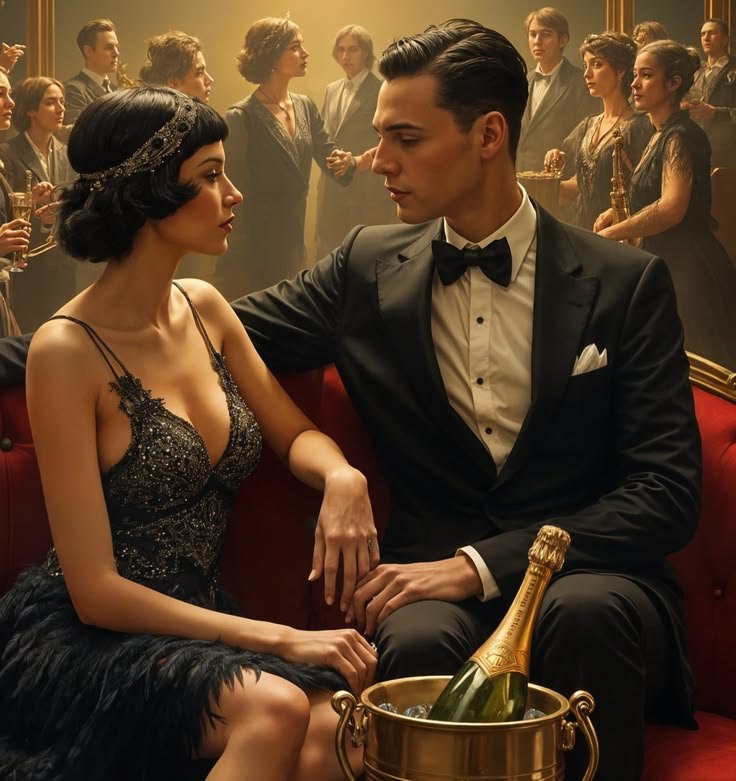
1950s Hollywood
The 1950s moved toward more pronounced waist definition, fuller skirts, elegant cocktail dresses, and highly polished eveningwear.
Couture construction became especially important. Charles James, for example, became known for highly engineered garments that manipulated fabric into dramatic three-dimensional forms. His career reached its peak from the late 1940s into the mid-1950s.
Cecil Beaton’s costume work also helped define the glamorous mid-century visual vocabulary. His designs for productions such as My Fair Lady and Gigi became important examples of mid-century theatrical elegance.
A 1950s-inspired outfit can therefore be more sculptural than a 1930s look.
Think:
- Fitted bodice
- Defined waist
- Full skirt
- Elegant pumps
- Short gloves
- Structured handbag
- Pearl or crystal jewelry
Signature Elements of Old Hollywood Style
Silhouette and proportion
Silhouette is probably the most important element.
A modern shopper can purchase a vintage-inspired dress with the correct color and fabric and still miss the Old Hollywood effect if the proportions are wrong.
For women, classic silhouettes often emphasize one of three ideas:
Long and fluid:
A bias-cut gown or column dress creates a continuous vertical line.
Fitted and sculptural:
A shaped bodice and defined waist establish a strong hourglass-inspired proportion.
Structured and tailored:
Broad shoulders combined with a controlled waist create a more powerful 1940s appearance.
For men, proportion comes through tailoring.
A tuxedo jacket that is too short, trousers that break heavily over the shoe, or an oversized shirt can immediately make the outfit feel contemporary in the wrong way.
The objective is not necessarily to buy vintage clothing. It is to find modern pieces with clean, intentional proportions.
Fabrics, texture, and surface shine
Fabric makes an enormous difference.
Satin and silk are associated strongly with Hollywood glamour because their surfaces reflect light. Velvet creates depth because its pile absorbs and reflects light differently depending on the direction. Chiffon and georgette provide movement.
Sequins and metallic materials introduce sparkle but should be used strategically.
If the dress is heavily embellished, keep the jewelry restrained.
If the dress is minimalist satin, a dramatic necklace or earrings can provide the necessary focal point.
This principle is especially important for photographs.
A garment with subtle surface variation often looks more interesting under evening lighting than a completely flat fabric.
Color and contrast
Classic Hollywood wardrobes often used strong, photographically effective colors.
Black is the obvious foundation, but it is not the only option.
Consider:
- Deep emerald
- Burgundy
- Sapphire
- Ivory
- Champagne
- Chocolate brown
- Midnight blue
- Rich plum
- Silver
- Gold
- Classic red
The strongest combinations usually rely on contrast.
A black velvet dress with diamond-style earrings has a different effect from a heavily decorated gold dress with equally elaborate jewelry.
Old Hollywood styling works best when the eye knows where to look.
Old Hollywood Outfits for Women
The satin evening gown
A floor-length satin gown remains one of the easiest ways to communicate classic Hollywood glamour.
Look for a clean silhouette rather than excessive decoration.
A cowl neckline, draped back, bias cut, or softly gathered waist can create movement without needing sequins.
Pair it with:
- Metallic or satin pumps
- A small clutch
- Crystal earrings
- A simple bracelet
- Sculpted waves
- Defined eyeliner
For a modern interpretation, choose a gown with contemporary construction but vintage-inspired fabric and proportions.
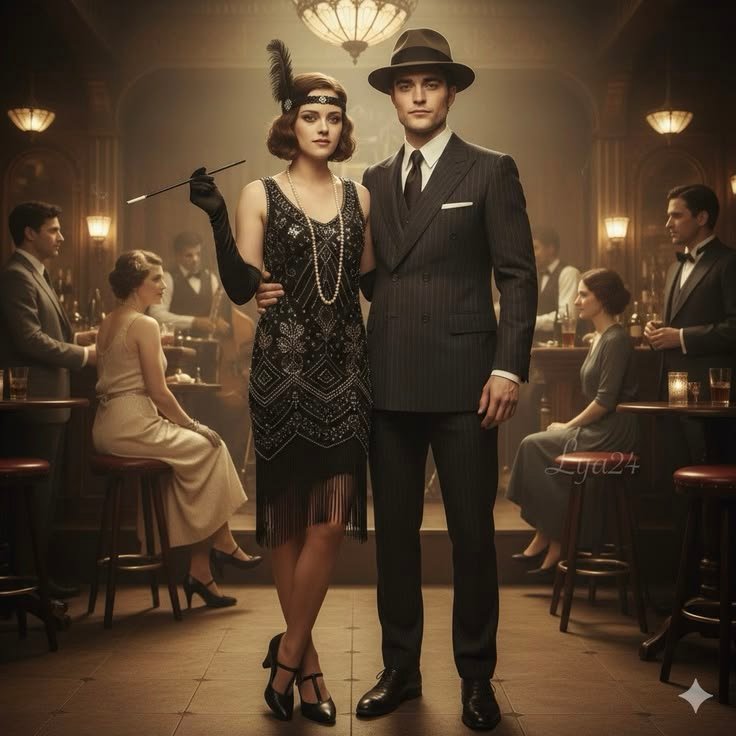
The structured cocktail dress
Not every Old Hollywood occasion requires a floor-length dress.
A structured cocktail dress can capture the same aesthetic.
Look for:
- A defined waist
- Clean neckline
- Three-quarter sleeves
- Sculpted shoulders
- Elegant draping
- Midi or knee-length proportions
Black, ivory, burgundy, or jewel tones work particularly well.
The key is fabric quality and fit. A simple well-fitted dress often looks more convincing than a heavily embellished garment with poor construction.
The tailored trouser look
Katharine Hepburn and Marlene Dietrich helped demonstrate that cinematic glamour could exist outside traditional gowns.
The Metropolitan Museum’s collection documents how unconventional trouser dressing could be in the 1930s, when pantsuits for women were still far from mainstream.
For a modern version, try:
- High-waisted wide-leg trousers
- A fitted silk blouse
- A structured blazer
- Pointed pumps
- A small clutch
- Minimal jewelry
A black-and-white palette can make this particularly effective.
The outfit should feel tailored rather than casual.
Old Hollywood Outfits for Men
Old Hollywood menswear is largely about precision.
A classic black tuxedo remains the clearest reference point, but there are several ways to adapt the aesthetic.
A traditional formal combination might include:
- Black dinner jacket
- Matching trousers
- White formal shirt
- Black bow tie
- Patent or highly polished dress shoes
- White pocket square
- Simple watch
For something less formal, a velvet dinner jacket can introduce texture.
Midnight blue is another excellent alternative to black, especially for evening events.
For a 1940s-inspired look, consider a sharply tailored suit with:
- High-rise trousers
- Wider trouser legs
- A structured jacket
- White shirt
- Leather dress shoes
- Classic tie
The most important consideration is fit.
Old Hollywood menswear was rarely about appearing deliberately sloppy. Clean shoulders, appropriate sleeve length, a controlled trouser break, and polished footwear make a larger difference than expensive branding.
Accessories That Complete the Look
Accessories should support the silhouette rather than compete with it.
Gloves
Short or elbow-length gloves can immediately introduce vintage eveningwear references.
They work particularly well with sleeveless dresses and formal cocktail looks.
For modern styling, avoid combining gloves with too many other theatrical accessories.
Jewelry
Old Hollywood jewelry tends to emphasize sparkle and shape.
Good choices include:
- Pearl earrings
- Crystal drop earrings
- Art Deco-inspired geometric pieces
- Tennis-style bracelets
- Vintage-inspired brooches
- Simple diamond-style studs
A useful styling rule is to select one dominant jewelry piece.
Large earrings can replace a necklace.
A dramatic necklace may mean smaller earrings.
Handbags
The ideal bag is compact.
Think:
- Satin clutch
- Beaded evening bag
- Metallic minaudière
- Structured small handbag
Large casual totes generally weaken the formal silhouette.
Shoes
Shoes should continue the visual language of the outfit.
Women can choose:
- Pointed pumps
- Slingbacks
- Satin heels
- Metallic sandals
- Classic peep-toe shoes
Men can choose:
- Patent formal shoes
- Polished Oxford-style shoes
- Formal loafers where appropriate
The shoe does not need to attract attention. It needs to look intentional.
How to Create Modern Old Hollywood Outfits
The easiest mistake is treating the style as a costume.
Instead, use the 80/20 approach: let roughly 80 percent of the outfit feel contemporary and use 20 percent of the styling to introduce historical references.
For example, pair a modern black column dress with vintage-style earrings and sculpted waves.
Or wear a contemporary tuxedo with a classic bow tie and polished shoes.
This produces an outfit inspired by Old Hollywood rather than a literal costume.
For formal events
Start with the silhouette.
For women, choose a long gown, elegant midi dress, or refined trouser suit.
For men, begin with a tuxedo or dark tailored suit.
Then introduce one strong vintage element.
Examples:
Women:
Black satin gown + crystal earrings + structured clutch.
Men:
Midnight-blue tuxedo + white shirt + black bow tie + patent shoes.
Avoid adding every vintage reference at once.
For parties and dinners
Cocktail dressing offers more flexibility.
A black midi dress, pointed heels, red lip, and sculpted hairstyle can communicate the aesthetic without looking like stage costume.
For men, try a dark suit with a silk tie, polished shoes, and a structured overcoat.
Texture becomes useful here.
Velvet, satin, silk, and subtle jacquard can provide visual richness without excessive ornamentation.
For a more relaxed interpretation
Old Hollywood principles can even work with everyday clothing.
Try:
- High-waisted trousers
- Fitted knit top
- Structured blazer
- Loafers or pumps
- Cat-eye sunglasses
- Small leather handbag
The outfit does not need to look historically accurate.
Instead, borrow the discipline of classic styling: clean lines, controlled color, good fit, and one memorable accessory.
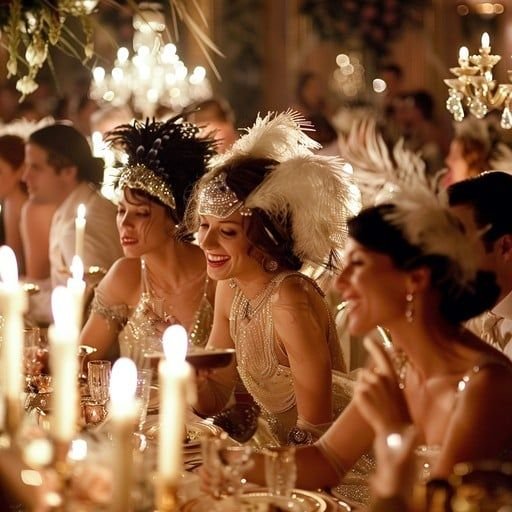
Old Hollywood Outfit Ideas by Occasion
| Occasion | Women’s Look | Men’s Look |
|---|---|---|
| Black-tie event | Satin floor-length gown | Classic tuxedo |
| Cocktail party | Structured midi dress | Velvet dinner jacket |
| Wedding guest | Draped evening dress | Dark tailored suit |
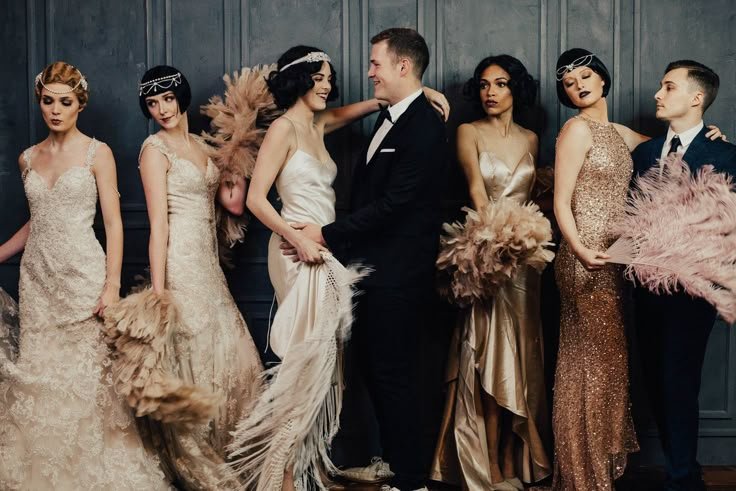
| Hollywood theme party | Vintage-inspired gown + gloves | Tuxedo + bow tie |
| Dinner date | Satin midi dress | Dark suit + silk tie |
| Photoshoot | Bias-cut gown + statement jewelry | Classic tuxedo |
| Formal gala | Sculptural gown | Black-tie ensemble |
| Casual vintage event | High-waisted trousers + blouse | Pleated trousers + tailored jacket |
The table is a starting point rather than a strict dress code. Venue, invitation wording, season, and time of day should always influence the final choice.
Common Mistakes to Avoid
Wearing too many vintage details
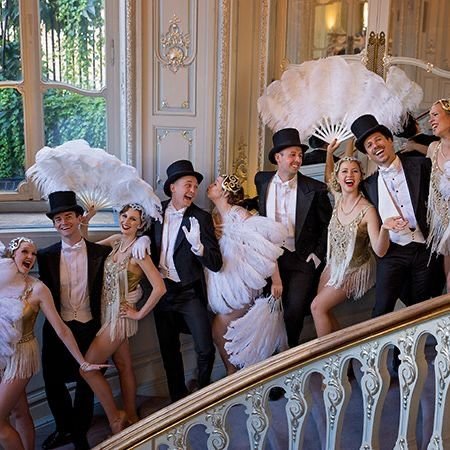
A feathered headpiece, gloves, pearls, sequins, dramatic makeup, vintage hairstyle, and elaborate dress can quickly turn an elegant outfit into theatrical costume.
Choose a focal point.
Choosing the wrong fabric
A cheap-looking polyester fabric can undermine an otherwise beautiful silhouette.
This does not mean every outfit needs expensive silk. Modern synthetic fabrics can work very well, but pay attention to drape, surface quality, weight, and how the fabric responds to light.
Ignoring fit
Fit is arguably more important than authenticity.
A contemporary dress altered properly can look more Old Hollywood than a badly fitting vintage reproduction.
Pay attention to:
- Shoulder placement
- Bust shaping
- Waist position
- Hem length
- Sleeve length
- Trouser rise
- Trouser break
Overdoing the makeup
Old Hollywood makeup is often remembered for red lips and defined eyes, but copying every element at maximum intensity can make the overall look feel dated.
A modern approach might use a clean complexion, defined lashes, softly sculpted brows, and one strong lip.
Choosing accessories before the outfit
Start with the garment.
Once the silhouette and fabric are established, decide what the outfit actually needs.
Accessories should solve a styling problem rather than simply fill space.
Why Old Hollywood Fashion Still Influences Style
The continuing influence of Old Hollywood comes partly from the way cinema transformed clothing into character.
Costume designers were not simply decorating actors. They were helping audiences understand who those characters were.
The Academy’s Leonard Stanley collection, for example, contains hundreds of costume-design drawings documenting the work of major Hollywood designers including Adrian, Edith Head, Travis Banton, Irene, Walter Plunkett, Helen Rose, Orry-Kelly, and others.
The V&A’s Hollywood Costume exhibition similarly demonstrated the importance of costume in communicating character, bringing together iconic costumes from Hollywood’s Golden Age and later cinema.
That legacy continues to influence modern fashion.
Designers repeatedly return to:
- Sculptural eveningwear
- Bias-cut dresses
- Sharp tailoring
- Strong shoulders
- Satin
- Velvet
- Dramatic outerwear
- Gloves
- Statement jewelry
- Monochromatic dressing
The appeal is not simply nostalgia.
These design principles work because they create clear visual hierarchy.
A long vertical silhouette makes the body appear elongated.
A defined shoulder adds authority.
A controlled waist creates structure.
Reflective fabric catches light.
A small clutch keeps attention on the garment.
Good styling often works through these relationships whether the viewer recognizes the historical reference or not.
Building an Old Hollywood Wardrobe Without Buying a Costume
You do not need a closet full of vintage clothing.
Start with versatile modern pieces.
A useful foundation could include:
- Black tailored trousers
- Black midi dress
- Satin camisole
- Structured blazer
- Long evening coat
- Pointed pumps
- Small clutch
- Pearl or crystal earrings
- Silk scarf
- Dark formal suit
- White dress shirt
- Black bow tie
- Polished formal shoes
From there, add one or two statement pieces.
A velvet jacket can transform a simple suit.
A satin skirt can transform a basic blouse.
A pair of sculptural earrings can make a minimalist dress feel formal.
This approach also has a sustainability advantage: you are building a wardrobe around pieces that can be worn in multiple ways rather than buying disposable themed clothing for one event.
Old Hollywood Glamour Without Looking Dated
The strongest modern interpretation combines historical references with current proportions.
For example, instead of copying a complete 1940s ensemble, wear a contemporary wide-leg trouser with a fitted jacket and vintage-inspired earrings.
Instead of recreating a 1930s gown exactly, choose a modern slip dress with a bias-inspired cut and pair it with a structured clutch.
Instead of copying a 1950s cocktail dress from head to toe, wear a modern fit-and-flare midi with pointed shoes and restrained jewelry.
The distinction is subtle but important.
Vintage reproduction tries to recreate a historical appearance.
Vintage-inspired styling borrows the visual principles while allowing contemporary clothing to remain contemporary.
For most people, the second approach is easier to wear.
Conclusion
The best old Hollywood outfits are not defined by a particular decade, celebrity, or dress. They are defined by the careful relationship between silhouette, fabric, proportion, tailoring, accessories, and presentation.
The 1930s offer fluid gowns and Art Deco influence. The 1940s bring stronger shoulders and sharper tailoring. The 1950s introduce sculptural eveningwear and pronounced waist definition. Across these periods, the common thread is intention.
That is the part worth bringing into modern fashion.
Choose a strong silhouette. Invest in fit. Let fabric provide texture and movement. Keep accessories purposeful. Use glamour as an accent rather than covering every surface in decoration.
The result can feel unmistakably cinematic while still looking like something you would genuinely wear today.
FAQ
What are Old Hollywood outfits?
Old Hollywood outfits are clothing looks inspired by the glamorous fashion associated with classic Hollywood cinema, particularly from the 1930s through the 1950s. They commonly feature elegant silhouettes, tailored garments, luxurious-looking fabrics, polished accessories, and refined styling.
What should I wear to an Old Hollywood themed party?
For women, a floor-length satin gown, sophisticated cocktail dress, or tailored trouser ensemble works well. For men, a tuxedo, dark formal suit, bow tie, and polished dress shoes are strong choices. Add one or two vintage-inspired accessories rather than turning the entire outfit into a costume.
What colors work best for Old Hollywood outfits?
Black, ivory, champagne, burgundy, emerald, sapphire, midnight blue, silver, gold, and classic red are particularly effective. The best color depends on the silhouette and fabric rather than the shade alone.
What fabrics look most like Old Hollywood glamour?
Satin, silk, velvet, chiffon, georgette, metallic textiles, and carefully used sequined fabrics can create the visual richness associated with classic Hollywood eveningwear. Fabric drape and surface quality are just as important as the material itself.
Can Old Hollywood style be worn casually?
Yes. You can borrow the style through high-waisted trousers, fitted tops, structured blazers, polished shoes, small handbags, silk scarves, and vintage-inspired sunglasses. The goal is to use classic proportions rather than recreate a costume.
What hairstyle goes with Old Hollywood outfits?
Soft sculpted waves, polished side parts, controlled curls, and sleek updos are common choices for a glamorous interpretation. The hairstyle should complement the neckline and silhouette instead of competing with them.
How can men dress in Old Hollywood style?
Men can use classic tailoring as the foundation. A tuxedo is the most formal option, while a dark suit, white shirt, silk tie, polished leather shoes, or velvet dinner jacket can provide a less formal interpretation.
Is Old Hollywood fashion still relevant?
Yes. Its influence continues through evening gowns, tailored suits, satin, velvet, dramatic accessories, strong silhouettes, and formal styling. Modern fashion can borrow these elements without reproducing historical clothing exactly.