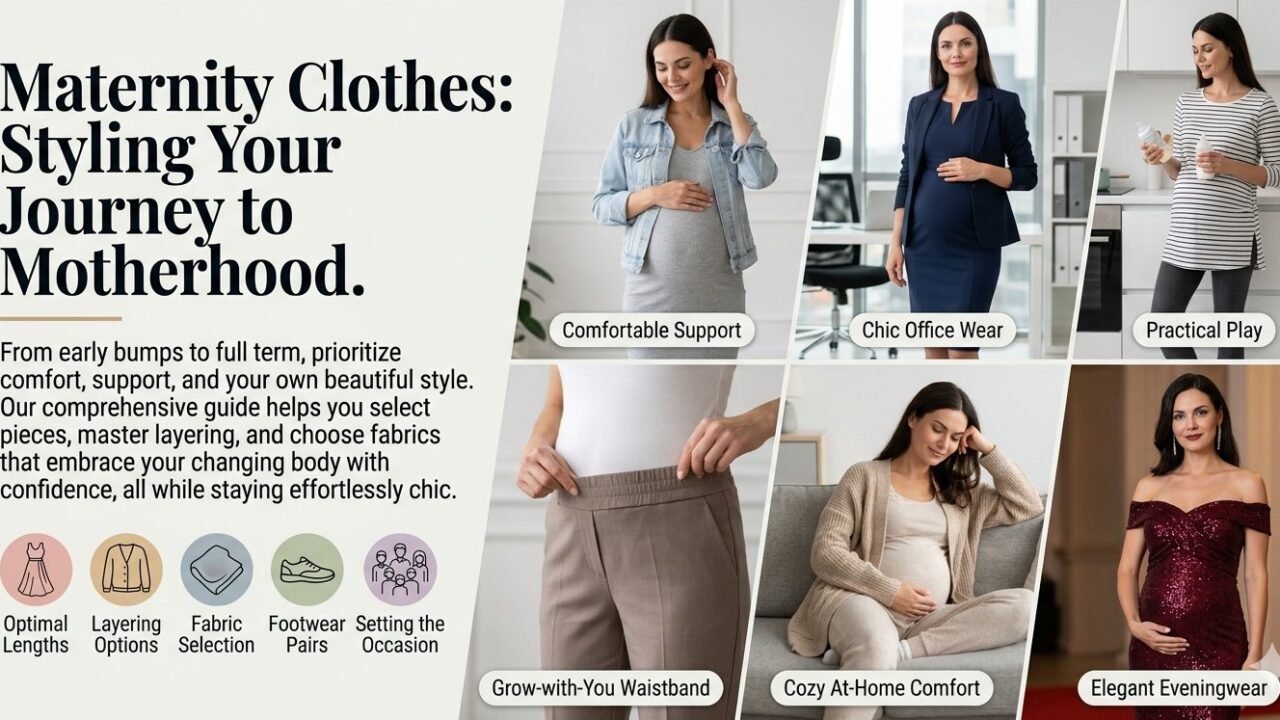
Pregnancy can completely change the way clothes fit. A waistband that felt comfortable a few weeks ago may suddenly feel restrictive while tops dresses bras and shoes can become less practical as your body changes. The good news is that building a maternity wardrobe does not mean replacing everything you own.
The best maternity clothes combine comfort flexibility personal style and enough room for a changing body. Some are specifically designed for pregnancy while others such as loose dresses oversized shirts stretchy skirts wide-leg pants and adjustable-waist pieces can work just as well without a maternity label.
For many people the smartest approach is to build a small wardrobe gradually. Buy the pieces that solve your biggest comfort problems first then add clothing for work social events exercise or different seasons as needed. Current maternity wardrobe guides similarly emphasize versatile basics and pieces that can transition into postpartum wear.
What Are Maternity Clothes?
Maternity clothes are garments designed or selected to accommodate the physical changes that happen during pregnancy. They may feature stretch fabrics adjustable waistbands extra room around the abdomen longer front panels wrap construction or other details that make clothing easier to wear as the body grows.
Maternity clothing is not simply about making regular clothes larger. Good design considers where the body changes and how the garment needs to move.
For example maternity jeans may use a stretch panel over the stomach while a maternity dress may have gathering at the sides that expands with the bump. A maternity top might have additional length so that it continues covering the abdomen comfortably.
However pregnancy does not automatically mean every item in your closet becomes unsuitable. Longer cardigans oversized shirts loose dresses stretchy knitwear elasticated trousers and some adjustable garments can remain useful throughout pregnancy. Government-backed pregnancy guidance also recommends checking what you already own before buying an entirely new wardrobe.
When Should You Start Wearing Maternity Clothes?
There is no universal week when someone needs to switch to maternity clothes. Pregnancy develops differently from person to person and even the same person may need maternity pieces at different times during different pregnancies.
Many people begin replacing individual items rather than changing their entire wardrobe at once. Pants and jeans are often among the first items to become uncomfortable because waistbands have less flexibility than loose tops or dresses.
First Trimester: Focus on Flexibility
During the first trimester your existing wardrobe may still work well. Instead of buying a complete maternity wardrobe look for the pieces that are becoming uncomfortable.
A stretchy skirt loose blouse longer T-shirt cardigan or elastic-waist trouser can give you additional room without requiring a major shopping trip.
If your regular jeans are becoming uncomfortable but still fit elsewhere an elastic pregnancy band or waistband extender can sometimes delay the need for maternity jeans. Pregnancy guidance from Pregnancy Birth and Baby specifically recommends adapting existing clothing and using pregnancy belts as ways to extend the life of regular pants.
Second Trimester: Build the Core Wardrobe
The second trimester is often when a more deliberate maternity wardrobe becomes useful. Your bump may become more noticeable and previously comfortable waistbands can start feeling restrictive.
This is a practical time to invest in a few versatile pieces rather than buying clothes for every possible occasion.
A useful starting point can include:
- Comfortable maternity leggings
- One or two pairs of maternity jeans or trousers
- Stretchy everyday tops
- One versatile maternity dress
- Comfortable sleepwear
- Supportive bras
- A cardigan jacket or lightweight layer
The exact number depends on your lifestyle laundry routine climate workplace and budget.
Third Trimester: Prioritize Comfort
By the third trimester comfort usually becomes a much stronger consideration. Clothing that seemed slightly loose earlier may now be exactly what you want.
Soft fabrics breathable construction flexible waistbands roomy silhouettes and easy-to-wear shoes become especially useful.
Pregnancy can also make people feel warmer and official pregnancy guidance recommends loose clothing and breathable natural fibers where practical.
The Maternity Clothes You Actually Need
You do not need every category of maternity clothing available. A useful wardrobe should reflect your actual routine.
Maternity Leggings
Maternity leggings are among the most versatile pregnancy basics because they can work for casual outfits errands travel lounging and some forms of exercise.
Look for a soft waistband and enough stretch to accommodate your growing abdomen without creating uncomfortable pressure. Full-panel styles sit over the bump while under-bump designs sit beneath it. Personal preference matters so the most comfortable option is the one that stays in place without digging into your skin.
A neutral pair in black navy charcoal or another color you regularly wear can work with numerous tops and dresses.
Maternity Jeans
If jeans are part of your everyday style maternity jeans can help you keep wearing denim without forcing your regular waistband to fit over a growing bump.
Common designs include over-the-bump panels and side-panel construction. Over-the-bump styles provide additional fabric across the abdomen while side panels can have a less noticeable appearance under certain tops.
Fit matters more than the label. Maternity sizing can vary between brands so checking measurements and return policies is particularly useful when shopping online.
Maternity Tops
A good maternity top should provide enough length and flexibility to remain comfortable as the abdomen grows.
You do not necessarily need a closet full of specialized tops. Loose button-down shirts oversized T-shirts tunics stretchy knit tops and relaxed blouses can sometimes perform the same function.
If you plan to breastfeed consider tops with nursing-friendly construction. A garment that works during pregnancy and after birth can offer considerably more value than something designed for only a short period.
Maternity Dresses
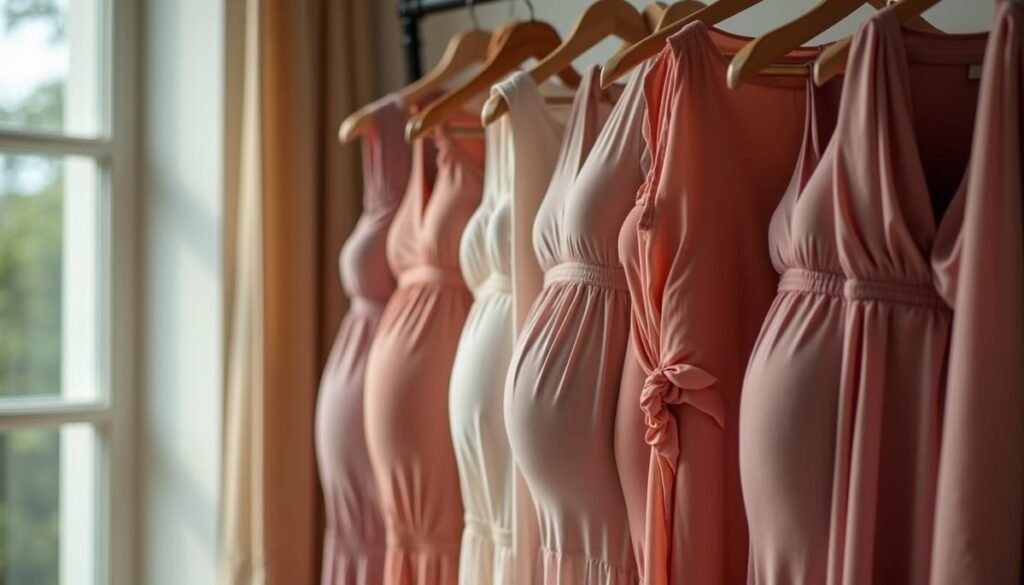
Dresses can be one of the easiest ways to dress during pregnancy because they eliminate waistband problems.
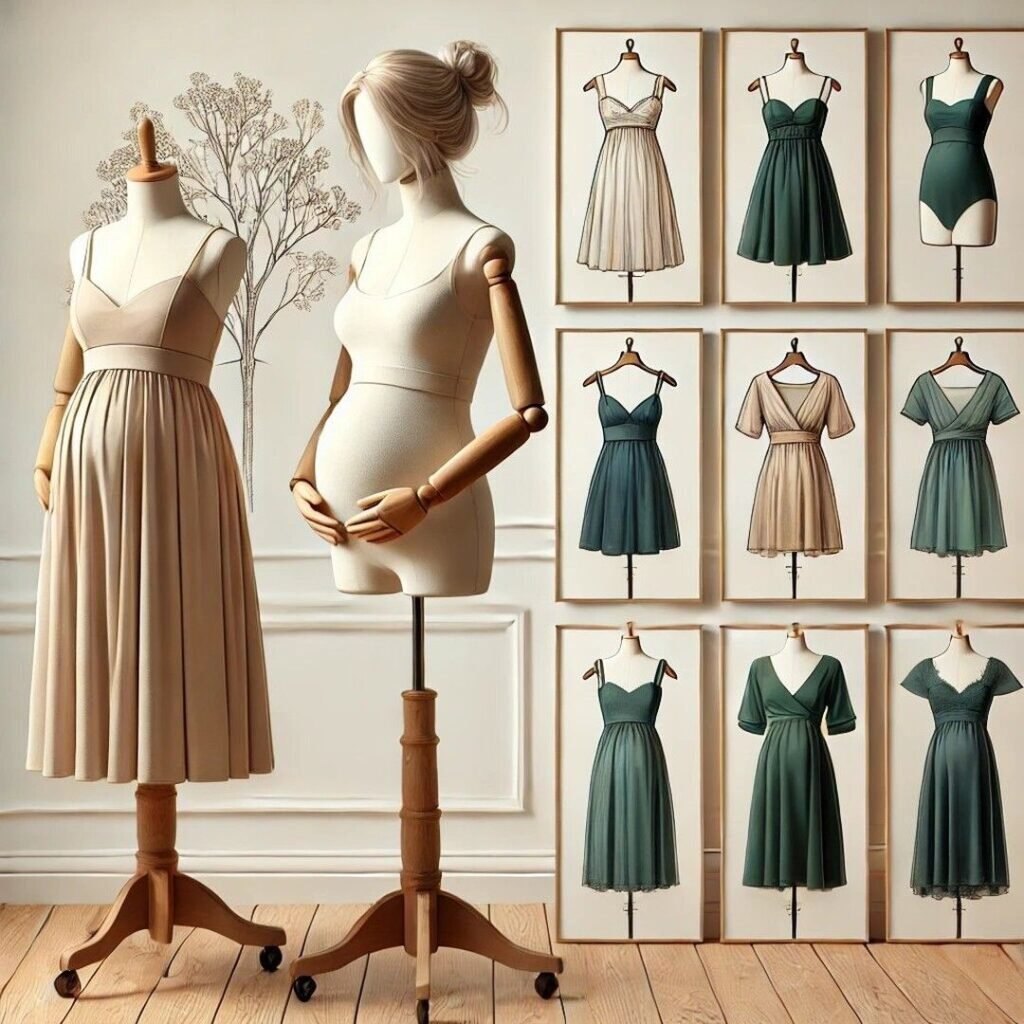
Look for silhouettes that accommodate the abdomen without making the rest of the garment unnecessarily oversized. Wrap dresses empire-waist styles A-line dresses and softly gathered designs are particularly adaptable.
A simple maternity dress can also become the foundation for several different outfits. Add sneakers for daytime flats for work or a more polished shoe and jewelry combination for an event.
Maternity Bras
Your breasts can change during pregnancy so a bra that fit perfectly before pregnancy may eventually feel too tight or uncomfortable.
A maternity or nursing bra can provide more flexibility and may remain useful after birth. Pregnancy Birth and Baby recommends professional fitting and notes that maternity bras can be designed to accommodate feeding after pregnancy.
If you experience discomfort avoid assuming that you simply need to tolerate a tighter fit. Reassessing your size and the structure of the bra can make everyday dressing much easier.
How to Choose Comfortable Maternity Clothes
Comfort should not mean sacrificing style. The strongest maternity outfits usually combine practical construction with silhouettes that still feel like the wearer.
Choose Fabrics That Move
Stretch is useful but stretch alone does not guarantee comfort.
Soft jersey cotton modal lightweight knits and other breathable fabrics can be useful depending on the garment and climate. In hot weather loose silhouettes and breathable materials can help reduce the uncomfortable feeling of fabric clinging to the body.
For warmer climates cotton and lightweight fabrics can be particularly practical. In cooler weather layering allows you to adjust your outfit throughout the day.
Avoid Buying Everything Oversized
There is a difference between relaxed and oversized.
Simply buying regular clothes several sizes larger can produce excess fabric in the shoulders sleeves and upper body while still failing to provide enough room where you actually need it.
Maternity clothing is shaped differently because it is designed around changing proportions. If you prefer regular clothing look for intentionally relaxed silhouettes rather than automatically sizing up several sizes.
Think About Adjustability
Adjustability increases the lifespan of clothing.
Wrap dresses drawstring pants elastic waistbands side ruching adjustable straps and flexible knit fabrics can accommodate changes over several months.
This principle is particularly useful when shopping on a budget because one adaptable item may remain wearable for much longer than a rigid garment.
How to Style Maternity Clothes Without Losing Your Personal Style
Pregnancy does not require abandoning your usual aesthetic.
If you normally dress in minimalist outfits continue using clean silhouettes and neutral colors. If your style is feminine incorporate dresses soft prints and elegant accessories. If you prefer streetwear oversized shirts relaxed denim sneakers and structured outer layers can still form the basis of your wardrobe.
Create a Simple Maternity Capsule Wardrobe
A capsule wardrobe can reduce the amount of clothing you need while giving you more outfit combinations.
For example you could build around:
- Two pairs of comfortable bottoms
- Three to five everyday tops
- One or two dresses
- One cardigan or lightweight jacket
- Comfortable footwear
- A few accessories
The idea is not to follow a strict number. It is to make sure each piece works with multiple outfits.
Recent maternity wardrobe guidance also emphasizes starting with basics considering your lifestyle setting a budget and planning for postpartum use rather than purchasing a completely separate closet.
Use Accessories to Change the Look
Accessories are particularly useful during pregnancy because they can refresh a relatively small clothing collection.
A scarf handbag earrings necklace sunglasses or different pair of shoes can make the same dress look completely different.
For example a neutral maternity dress can become a casual daytime outfit with sneakers and a crossbody bag then look more polished with loafers structured jewelry and a tailored layer.
Maternity Clothes for Work
Workwear depends heavily on your workplace dress code.
For a casual office maternity trousers with a polished blouse may be enough. For a formal environment a maternity dress tailored maternity trousers or a longer structured cardigan can create a professional silhouette.
The most useful workwear pieces are usually those that can be mixed rather than highly specialized garments worn only once.
If your workplace requires a uniform speak with the appropriate workplace representative about pregnancy-related adjustments. Pregnancy Birth and Baby notes that employers may provide larger or adapted uniform options where necessary.
Comfortable footwear also deserves attention. If your feet feel uncomfortable in your usual heels a polished flat supportive loafer or low-profile shoe can maintain a professional appearance without relying on a high heel.
Maternity Clothes for Special Occasions
A wedding baby shower holiday party graduation or formal dinner can make maternity dressing feel more complicated.
The key is to choose a silhouette that accommodates your bump without making the outfit look like an afterthought.
Maternity Dresses for Weddings and Events
An empire waist wrap silhouette flowing maxi dress or softly gathered design can work well for formal occasions.
Do not buy an expensive formal maternity outfit too early if you can avoid it. Your shape may change considerably between the time you purchase the garment and the event.
Instead choose the size and silhouette based on when you will actually wear it.
For a Pakistani or South Asian wardrobe A-line kameez Anarkali silhouettes flowing frocks palazzos and drawstring trousers can also be practical pregnancy options because their construction can accommodate a changing abdomen. A recent 2026 discussion of Pakistani maternity dressing highlights the adaptability of these silhouettes.
Maternity Clothes for Different Seasons
Your maternity wardrobe should reflect the weather you will actually experience during pregnancy.
Summer Pregnancy Outfits
Choose breathable fabrics relaxed silhouettes lightweight dresses loose trousers and tops that do not cling excessively.
A cotton maxi dress with flat sandals can be an easy warm-weather combination. Wide-leg pants with a lightweight maternity top can provide another option for days when you prefer more coverage.
Winter Pregnancy Outfits
Layering becomes more important in cold https://stylebydesign.site/
A maternity sweater long cardigan stretch trousers and comfortable boots can form a practical winter foundation. Instead of buying an entirely new coat some people can use an oversized coat or maternity outerwear designed to accommodate the bump.
Layering also allows you to regulate temperature without making every garment pregnancy-specific.
How to Save Money When Buying Maternity Clothes
A pregnancy wardrobe can become expensive if every item is purchased as a specialized product.
Start by checking your existing wardrobe. You may already own loose dresses cardigans oversized shirts elasticated trousers or stretchy skirts that remain https://www2.hm.com/
You can also consider secondhand clothing borrowing from friends or family clothing swaps rental options for special occasions and buying only the pieces you expect to wear frequently. Pregnancy Birth and Baby recommends several of these approaches as ways to reduce maternity clothing costs.
Online shopping has also become important for maternity clothing. In the United States some major retailers have reduced or eliminated physical maternity sections pushing more shoppers toward online inventory. That makes checking size charts fabric information customer reviews and return policies particularly valuable before ordering.
What to Look for When Shopping Online for Maternity Clothes
Online maternity shopping can be convenient but sizing requires more attention.
Before ordering check:
- The brand’s measurement chart
- The intended pregnancy stage
- Fabric composition
- Stretch level
- Waistband construction
- Garment length
- Return and exchange policies
- Customer reviews mentioning fit
Do not assume that buying your normal pre-pregnancy size will always produce the same fit across brands. Maternity garments are constructed differently and individual sizing systems vary.
Photos can also be misleading. Pay attention to the garment description and measurements rather than judging fit solely from the model.
Can You Wear Regular Clothes During Pregnancy?
Yes. Many people continue wearing selected regular clothes throughout pregnancy.
Loose sweaters oversized shirts flowing dresses cardigans stretchy skirts and adjustable-waist garments can remain useful. The decision should come down to comfort and fit rather than whether a garment carries a maternity label.
The goal is not to wear maternity clothing as early as possible. The goal is to have clothing that feels comfortable and works with your changing body.
Planning for Postpartum Wear
One of the smartest ways to buy maternity clothes is to think beyond pregnancy.
Some maternity pieces can remain useful after birth especially relaxed tops stretchy bottoms wrap dresses cardigans and nursing-friendly garments.
If breastfeeding is part of your plans front-opening shirts button-down tops wrap designs and nursing-access garments can make dressing easier.
Planning for postpartum wear does not mean predicting exactly how your body will change. It simply means choosing adaptable clothing instead of pieces that have no practical use once pregnancy ends.
Frequently Asked Questions About Maternity Clothes
What should I buy first when shopping for maternity clothes?
Start with the items causing the most discomfort. For many people that means maternity leggings or trousers supportive bras comfortable tops and one versatile dress. There is no need to purchase an entire wardrobe immediately.
What size should I buy in maternity clothes?
Maternity sizing varies by brand. Many maternity garments are designed around your usual pre-pregnancy size while adding room for the bump but you should always check the individual brand’s measurement chart. When shopping online reviews and return policies are especially useful.
Are maternity clothes necessary during pregnancy?
No. Maternity clothes can make dressing more comfortable but many regular garments can continue working throughout pregnancy. Loose dresses oversized shirts stretchy fabrics and adjustable-waist pieces are often useful alternatives.
When should I start wearing maternity jeans?
Wear them when your regular jeans become uncomfortable rather than waiting for a particular pregnancy week. Some people transition earlier while others continue wearing regular pants longer. Comfort is the better measure.
What are the best maternity clothes for summer?
Lightweight breathable clothing is generally the most practical. Loose dresses cotton tops wide-leg trousers stretchy skirts and breathable fabrics can help you stay comfortable in warm weather. Pregnancy guidance also recommends loose clothing and breathable natural fibers where practical.
Can maternity clothes be worn after pregnancy?
Yes. Many pieces can transition into postpartum wear. Stretchy trousers loose dresses cardigans wrap tops and nursing-friendly clothing can remain useful after birth. Choosing versatile designs can make a maternity wardrobe more economical.
Conclusion
The best maternity clothes are not necessarily the most specialized or expensive pieces. They are the garments that adapt to your changing body while still fitting your lifestyle and personal style.
Start with the clothing that solves an immediate problem. Choose flexible fabrics adjustable construction comfortable waistbands and silhouettes that can grow with you. Mix maternity pieces with clothing you already own and consider how useful each item will be after pregnancy.
A thoughtfully built wardrobe can be surprisingly small. With a few versatile bottoms comfortable tops adaptable dresses supportive undergarments practical layers and the right accessories you can create outfits that feel comfortable without abandoning the way you normally dress.
Pregnancy changes your body but it does not require you to give up your identity or your personal approach to fashion. The right maternity clothes simply give your existing style room to change with you.