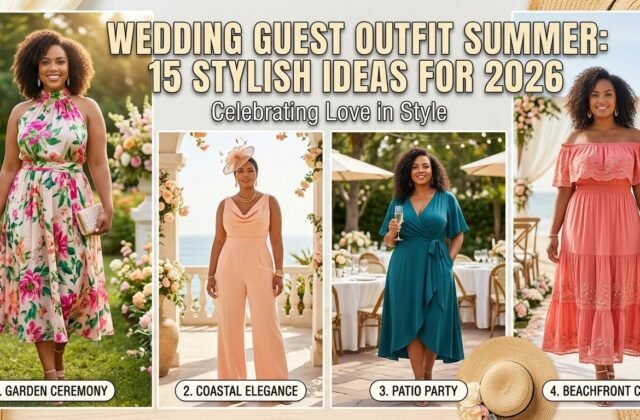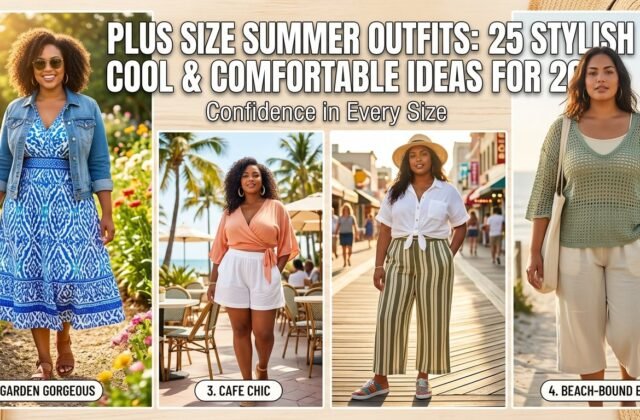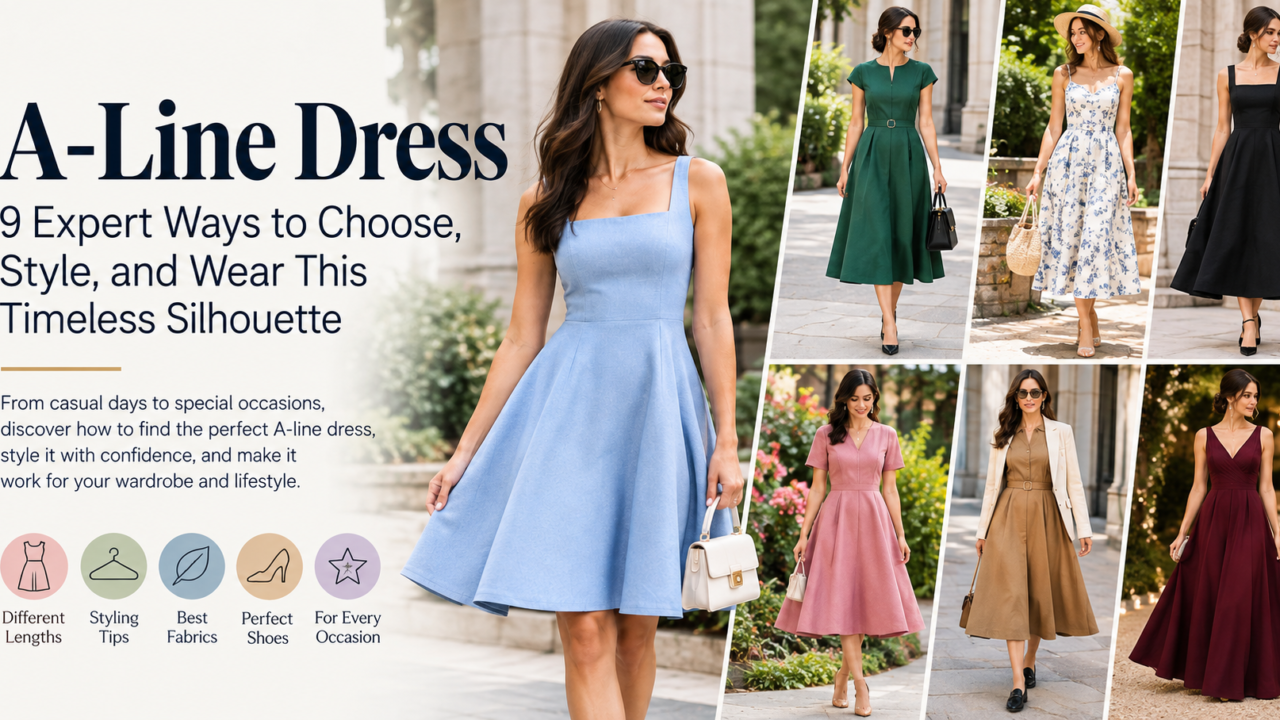
An a line dress is one of those silhouettes that can look completely different depending on the fabric neckline length and styling. A cotton mini can feel youthful and casual while a structured midi can look polished enough for the office. A satin or lace version can move naturally into eveningwear or wedding dressing.
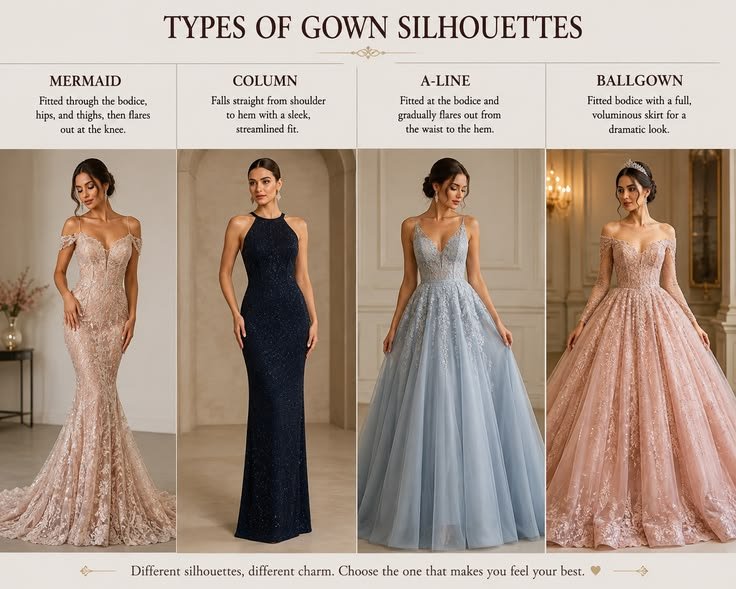
The defining idea is simple: the dress is narrower at the top and gradually widens toward the hem creating a shape similar to the capital letter A. The silhouette can emphasize the waist while giving the skirt room to move instead of closely following the hips and thighs.
That simplicity is precisely why the style has remained relevant. The real challenge is not deciding whether an A-line dress is fashionable. It is choosing the right flare length fabric neckline and proportion for the occasion and your personal style.
What Is an A-Line Dress?
An A-line dress is a dress silhouette that fits relatively close through the upper body and gradually widens toward the hem. The result is an A-shaped outline when viewed from the front.
The term describes the shape of the garment not one particular length fabric neckline or occasion. An A-line dress can be a mini knee-length midi or maxi. It can have sleeves thin straps a V-neck square neckline high neckline or many other design details.
The most useful way to recognize one is to look at the relationship between the bodice and skirt. The upper section provides some structure while the lower section expands progressively rather than falling straight down or clinging tightly to the legs.
A well-designed A-line does not necessarily have an extremely dramatic flare. In fact many modern versions have a relatively subtle expansion. That understated shape can make the dress easier to wear for work travel daytime events dinners and everyday outfits.
Why the A-Line Shape Works So Well
The silhouette creates a visual transition from a more defined upper body to a more relaxed lower half. That balance can be useful when you want waist definition without wearing a body-conscious dress.
It also gives the wearer freedom of movement. Compared with a narrow pencil or sheath silhouette an A-line skirt generally leaves more space around the hips and thighs.
This does not mean every A-line dress automatically fits every person perfectly. The placement of the waist amount of flare fabric weight hem length and bodice construction can dramatically change the final appearance.
A-Line Dress vs. Other Popular Dress Silhouettes
Understanding the differences between silhouettes makes shopping much easier because many dresses look similar on a product page.
A-Line vs. Fit-and-Flare
Both silhouettes become wider below the waist but the degree of flare is usually different.
An A-line dress generally expands gradually and creates a clean triangular shape. A fit-and-flare dress tends to have a more pronounced transition and can produce a fuller more dramatic skirt.
If you want an understated polished appearance an A-line may be the better choice. If you want more movement and a stronger skirt shape fit-and-flare may be more appropriate.
A-Line vs. Sheath
A sheath dress follows the body’s vertical shape much more closely. It usually has a relatively straight silhouette from the upper body through the skirt.
An A-line dress by contrast creates more space below the waist.
For professional wardrobes both can work. The decision usually comes down to the amount of structure and ease you prefer rather than one style being universally better.
A-Line vs. Empire Waist
An empire-waist dress has its main seam or visual waistline positioned above the natural waist often just beneath the bust. The skirt then falls downward from that point.
An A-line dress typically establishes its shaping closer to the natural waist although modern designs can vary.
This distinction matters because the position where the skirt begins to expand changes the proportions of the entire outfit.
A-Line vs. Skater Dress
A skater dress is often short fitted through the bodice and noticeably flared through the skirt. It can be thought of as a more youthful and often more dramatic interpretation of a flared silhouette.
An A-line dress is broader as a category and can be sophisticated minimalist formal casual or occasion-specific.
Who Looks Best in an A-Line Dress?
The better question is not which body type is “allowed” to wear an A-line dress. Almost anyone can wear the silhouette. The more useful question is which version creates the proportions and comfort you want.
Fashion guides commonly describe the A-line as versatile across body shapes because its gradual flare can define the upper body without requiring the skirt to closely follow the hips.
For Pear-Shaped Figures
If your hips are proportionally wider than your shoulders an A-line silhouette can create a natural balance.
A dress with a defined waist and a clean flare can acknowledge the waist while allowing the skirt to skim rather than cling to the hips.
To bring additional attention upward consider interesting necklines earrings sleeves or a more detailed bodice.
For Hourglass Figures
An A-line dress can preserve the natural relationship between the waist and hips without requiring a body-hugging silhouette.
Look for dresses where the waist placement corresponds closely with your natural waist. Excess fabric through the torso can hide the shape rather than complement it.
For Apple-Shaped Figures
Fabric choice and waist placement become particularly important.
A softly structured A-line dress can provide ease through the midsection while maintaining a deliberate silhouette. A V-neck or open neckline can also create visual length through the upper body.
Avoid assuming that a very loose dress is automatically more flattering. Too much volume from the bust downward can make the entire outfit appear larger.
For Straight or Athletic Figures
An A-line dress can introduce shape through the waist and create movement through the skirt.
You can experiment with belts waist seams pleats interesting textures and more sculpted bodices if you want additional definition.
For a minimalist look however a simple A-line in a structured fabric can look sophisticated without needing extra details.
For Petite Frames
Length and proportion deserve more attention than the label “A-line.”
A very long heavy dress with an oversized skirt can overwhelm a smaller frame. A shorter hem or a streamlined midi may create a cleaner visual line.
A dress with a defined waist and a controlled flare can also prevent the silhouette from looking shapeless.
For Tall Figures
Longer A-line dresses provide plenty of room to experiment with proportions. Midi and maxi lengths can create an elegant vertical effect while shorter styles can emphasize the legs.
Tall wearers can often carry stronger prints longer hems dramatic sleeves or more noticeable flare without the dress dominating the overall outfit.
How Should an A-Line Dress Fit?
A good A-line dress should look intentional at the shoulders bust waist and hem.
The most important mistake to avoid is buying according to the skirt alone. Because the lower portion of the dress is supposed to have ease sizing up just because the skirt looks comfortable can create excess fabric through the bodice.
Check the Shoulders First
For dresses with sleeves or structured shoulders the shoulder seam should sit where the garment was designed to sit.
If the shoulders are too wide the entire dress can look oversized even when the waist and skirt appear correct.
Check the Bust
The fabric should lie smoothly without pulling across the chest.
Buttons should not gape seams should not strain and the neckline should sit comfortably when you move.
Check the Waist Placement
This is one of the most important details in an A-line silhouette.
If the waist seam sits significantly above or below your natural waist the dress may create proportions different from what you expected.
That is not automatically bad. Empire-inspired A-line styles can be beautiful. The key is knowing that the position changes the appearance of the silhouette.
Check the Flare
A-line does not mean “maximum volume.”
The best flare depends on the occasion fabric and desired aesthetic. A narrow flare can look modern and refined while a wider flare creates a more romantic or playful effect.
A useful test is to walk sit and turn around in the dress. The skirt should move comfortably without constantly requiring adjustment.
Which A-Line Dress Length Should You Choose?
Length can completely change the personality of the same silhouette.
Mini A-Line Dresses
A mini A-line dress usually feels youthful energetic and casual.
It works particularly well with sneakers loafers ballet flats ankle boots or simple sandals. For evening dressing heels can make the same silhouette feel sharper.
The key is balancing the short hem with the rest of the outfit. A more covered neckline or longer sleeves can create a sophisticated contrast.
Knee-Length A-Line Dresses
Knee-length styles are useful when you want something polished without committing to a longer hem.
They can work for daytime events office settings lunches and smart-casual occasions depending on the fabric and styling.
Midi A-Line Dresses
The midi is one of the most versatile options because it can move easily between casual and formal settings.
A structured midi with pumps can look professional. A printed cotton midi with sandals can feel relaxed. A satin midi with elegant accessories can work for evening events.
Pay attention to where the hem lands on your leg. A few inches can make a noticeable difference in how balanced the outfit looks.
Maxi A-Line Dresses
Maxi A-line dresses create a longer more flowing silhouette.
They work particularly well for resort dressing summer events weddings formal occasions and evening outfits. The right fabric matters enormously: lightweight materials create movement while heavier fabrics create a more architectural effect.
How to Style an A-Line Dress Casually
The easiest way to make an A-line dress feel casual is to contrast its feminine silhouette with relaxed accessories.
Try a cotton or denim A-line dress with clean sneakers and a lightweight jacket. For warmer weather sandals and a woven bag can create an uncomplicated daytime outfit.
A cropped jacket can also work well because it ends near the waist instead of covering the entire flare.
For everyday wear avoid adding too many competing details. If the dress already has a bold print or interesting neckline simple shoes and understated jewelry usually create a stronger outfit.
How to Wear an A-Line Dress to Work
For an office wardrobe fabric and construction are more important than decoration.
A structured A-line midi in a solid neutral color can work particularly well with a tailored blazer and polished flats or pumps.
If your workplace is more relaxed a knit or refined cotton version can be paired with loafers and a structured handbag.
The goal is to maintain a clear silhouette. Extremely short hemlines excessive volume or overly casual fabrics may not suit a traditional corporate environment even though the underlying A-line shape is perfectly appropriate.
How to Style an A-Line Dress for Weddings and Formal Events
Formal A-line dresses rely heavily on fabric neckline and finishing details.
Satin silk-like fabrics chiffon lace velvet and embellished materials can all produce very different results.
For a wedding guest outfit consider the formality of the venue before choosing accessories. A daytime garden wedding may call for a lighter fabric and delicate jewelry while an evening event can support richer materials and more polished footwear.
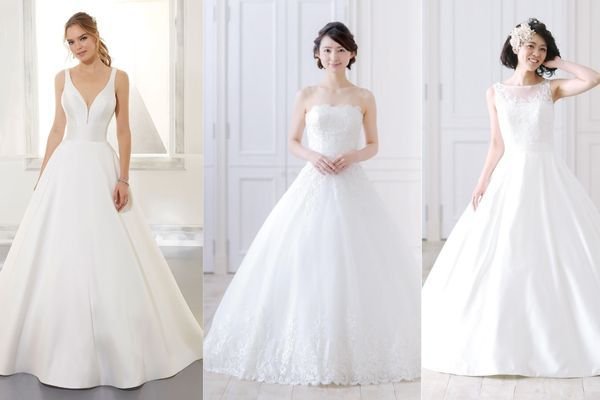
A-line is also a major bridal silhouette. Its combination of defined upper structure and gradually widening skirt can produce anything from a clean minimalist gown to a heavily embellished romantic dress.
The silhouette itself does not determine whether a dress looks formal. Construction and styling do.
Choosing the Right Fabric for an A-Line Dress
Fabric changes the way an A-line silhouette behaves.
Cotton and Linen
Cotton and linen work well for warm-weather casual dresses because they can create a relaxed silhouette with natural movement.
Linen tends to wrinkle so its appeal is partly tied to its relaxed character rather than a perfectly pressed appearance.
Jersey and Knit Fabrics
Stretch fabrics can make an A-line dress comfortable for everyday wear.
However very soft or lightweight jersey may lose some of the architectural quality associated with a clean A-line shape. If you want structure look for a fabric with enough weight to hold the flare.
Satin and Silk-Like Fabrics
These materials can create elegant movement and work particularly well for evening dressing.
They also reveal fit issues more readily. Pulling bunching or an incorrectly placed waist seam can become noticeable because smooth fabrics reflect light.
Wool Ponte and Structured Fabrics
These fabrics are useful for cooler weather and professional dressing.
They can hold a defined silhouette and pair naturally with boots tights coats and tailored outerwear.
How to Choose an A-Line Dress for the Season
The silhouette does not have to change dramatically with the seasons. Instead change the fabric color layering and footwear.
For spring consider cotton light knits floral prints and loafers or ballet flats.
For summer breathable fabrics sleeveless designs sandals and lighter colors can make the silhouette feel effortless.
For fall try deeper colors long sleeves ankle boots leather or suede accessories and tailored jackets.
For winter heavier knits or structured fabrics work well with tights boots and long coats.
This approach makes the A-line silhouette less dependent on short-lived trends. You are adapting the styling rather than replacing the entire wardrobe every season.
What Shoes Look Best With an A-Line Dress?
There is no single correct shoe because the hemline and occasion determine the strongest combination.
Sneakers create a contemporary casual contrast particularly with shorter or midi A-line dresses.
Loafers create a polished daytime look and work especially well with office-friendly midi styles.
Heels can lengthen the visual line of a dress and are useful for formal occasions.
Ankle boots can give fall and winter A-line dresses a stronger more grounded appearance.
Sandals are an easy choice for warm-weather dresses especially when the fabric is lightweight.
One useful styling principle is to consider the visual weight of the shoe. A very delicate shoe with a heavy structured maxi dress can look disconnected while a substantial boot can overwhelm a lightweight summer mini.
Common A-Line Dress Mistakes to Avoid
The silhouette is straightforward but a few choices can make it look less polished.
Choosing Too Much Volume
If the skirt expands dramatically and the fabric is stiff the dress can become visually bulky.
If you want a streamlined appearance choose a softer flare or a fabric with controlled movement.
Ignoring the Waist Position
The wrong waist placement can make the proportions feel awkward.
Always consider where the dress actually begins to flare rather than relying solely on the product description.
Choosing the Wrong Length
A dress can be beautiful but still feel wrong because the hem hits at an unhelpful point.
When shopping online compare the listed garment length with a dress you already own to get a better idea of where the hem will fall.
Over-Accessorizing
A-line dresses already create a recognizable silhouette. A statement neckline bold print dramatic earrings oversized belt and elaborate shoes can compete rather than complement.
Choose one or two elements to lead the outfit.
How to Buy an A-Line Dress Online
Online shopping makes fit more difficult because you cannot immediately assess the fabric or construction.
Start with the garment measurements rather than relying entirely on the generic size label. Check bust waist and length measurements against a dress that fits you well.
Then examine product photographs from multiple angles.
Look at where the flare begins whether the fabric appears structured or fluid and whether the model’s proportions resemble your own.
Read reviews specifically for information about sizing fabric weight stretch transparency and whether the dress runs large or small.
For international shoppers also check the retailer’s measurement system and return policy. A US size UK size EU size or another regional sizing label may not correspond directly to what you normally purchase.
Frequently Asked Questions About A-Line Dresses
What is the main feature of an A-line dress?
The defining feature is the gradual flare from the upper body or waist toward the hem creating an outline similar to the letter A. The exact amount of flare can vary considerably betweenhttps://stylebydesign.site/
Is an A-line dress good for every body shape?
An A-line silhouette can work across many body shapes because it can define the upper body while providing more room through the skirt. However the best version depends on waist placement flare length fabric and personal preference rather than body shape alone.
What is the difference between an A-line and a fit-and-flare dress?
An A-line dress generally widens gradually from the waist producing a relatively clean triangular shape. A fit-and-flare design usually has a more pronounced transition and fuller skirt. The terminology can vary between brands so examining the actual cut is more reliable than the product name.
Can I wear an A-line dress to work?
Yes. A knee-length or midi A-line dress in a polished fabric can be very appropriate for professional settings. Choose a suitable neckline hemline fabric and footwear according to your workplace dress code.
Are A-line dresses still fashionable?
Yes. The silhouette continues to appear in contemporary casual workwear occasion and bridal collections. Its continued relevance comes less from being a short-term trend and more from the flexibility of the underlying shape. Current fashion guides and retailers continue to feature A-line dresses across different fabrics lengths and occasions.
What shoes should I wear with an A-line dress?
Sneakers loafers sandals pumps heels and ankle boots can all work. Choose based on the dress length fabric season and formality. A simple dress can support more distinctive footwear while a heavily detailed dress usually benefits from cleaner shoes.
Conclusion
The strength of an a line dress is not that it follows one rigid fashion formula. It is that the basic silhouette gives you a reliable starting point while leaving plenty of room for personal style.
The most successful choice comes down to proportion. Pay attention to where the dress begins to flare how the waist sits how much volume the skirt creates where the hem falls and whether the fabric supports the shape. From there footwear accessories layering and occasion can completely change the character of the outfit.
For everyday wardrobes a simple cotton or structured midi can offer remarkable versatility. For work a refined fabric and controlled flare can create a polished appearance. For weddings and formal events the same silhouette can become dramatically more elegant through satin lace embellishment or a longer hem.
Rather than asking whether an A-line dress is universally flattering ask a more useful question: does this particular A-line create the proportions comfort and level of polish I want? That approach leads to better purchases and more importantly a wardrobe that works for your actual life.