A clothing mini dress is one of the most adaptable short-dress styles in modern fashion. Its defining feature is simple: the hem sits above the knee. Everything else can change, from the silhouette and neckline to the fabric, sleeve length, color, and level of formality.
That flexibility is what makes mini dresses useful rather than limited to partywear. A cotton T-shirt mini can work for an ordinary summer day, while a structured blazer mini or satin style can create a much more polished evening outfit. The difference usually comes down to proportion, fabric, footwear, layering, and the setting.
Choosing the right mini is therefore less about finding the shortest or most fashionable option and more about finding the right relationship between the dress, your proportions, your comfort, and the occasion.
What Is a Clothing Mini Dress?
A mini dress is a dress with a hemline that generally falls above the knee. There is no universal measurement that makes every dress a mini because height, torso length, waist placement, and garment construction affect where the hem actually lands. Current fashion guides commonly define the category by its above-the-knee position rather than one fixed number.
A mini can be fitted, loose, structured, flowing, sporty, romantic, minimalist, or dramatic. The word describes the length, not a single silhouette.
This distinction matters when shopping online. Two dresses can both be described as mini dresses while looking completely different on the body. One may finish close to the knee, while another may sit around mid-thigh. One may skim the body, while another may flare outward from the waist.
For that reason, the garment’s actual length measurement is more useful than the word “mini” alone.
Mini Dress vs. Micro Mini
A regular mini dress normally sits above the knee, while a micro mini is substantially shorter and exposes more of the upper thigh. The boundary is not universally standardized, so product measurements and photographs are more reliable than labels.
If you are buying online, check the listed dress length and compare it with a dress you already own. This gives you a much clearer idea of where the new hem will fall.
Mini vs. Midi vs. Maxi
The simplest distinction is based on hem placement:
- Mini: above the knee
- Midi: generally falls below the knee and around the calf
- Maxi: generally reaches the ankle or lower
These categories describe proportions rather than strict universal measurements. Your height can make the same garment appear considerably shorter or longer.
Why Mini Dresses Remain a Fashion Staple
The mini dress has a strong place in fashion history. Short hemlines became especially associated with the youth-driven fashion culture of the 1960s, with designers such as Mary Quant and André Courrèges helping establish influential interpretations of the silhouette.
The style continued changing through later decades. A-line minis became closely associated with Mod fashion, while later interpretations introduced body-conscious cuts, jersey fabrics, denim, embellishment, tailoring, and streetwear influences.
Its staying power comes partly from its ability to change character. A mini dress does not have to communicate one particular aesthetic.
A simple black mini with loafers can look understated. The same length in sequins and heels can become an evening outfit. A denim mini dress with sneakers feels casual, while a tailored version with a blazer can look considerably sharper.
The length stays similar, but the styling language changes.
Popular Clothing Mini Dress Styles
The best mini dress depends on what you want the outfit to communicate and how you want it to function.
A-Line Mini Dress
An A-line mini is narrower around the upper body and gradually widens toward the hem. It creates movement without clinging tightly to the hips and thighs.
This makes it particularly useful for people who prefer definition around the waist with a little more room through the lower half. It can look polished with ballet flats, loafers, ankle boots, or heels.
A-line minis also work well when you want a classic rather than strongly trend-driven appearance.
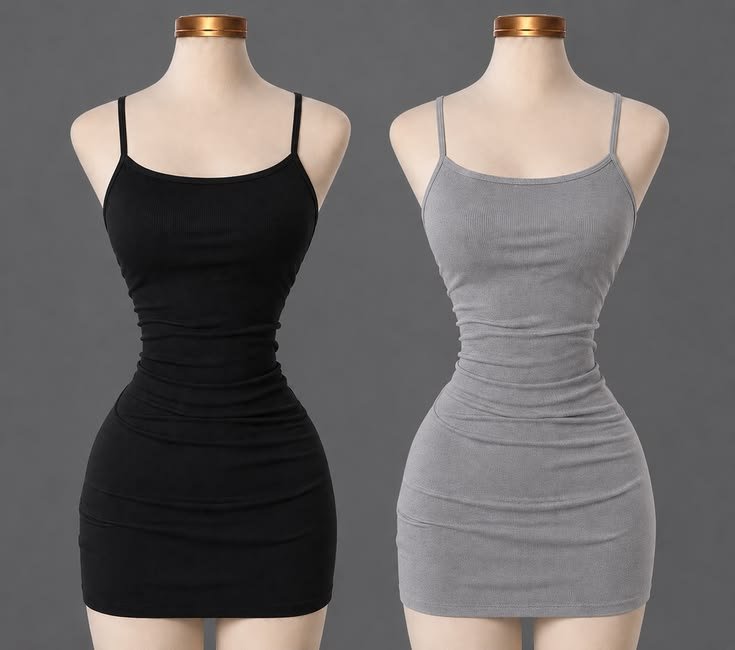
Bodycon Mini Dress
Bodycon styles closely follow the body and are commonly made from stretch fabrics such as jersey or knit blends.
They create a very different effect from an A-line dress. Instead of relying on volume, the silhouette emphasizes the body’s natural shape.
For a balanced outfit, consider the rest of the look carefully. A fitted dress can work with understated jewelry and simple footwear, allowing the silhouette to remain the central feature.
Shift Mini Dress
A shift mini hangs relatively straight from the shoulders instead of strongly defining the waist.
It is a practical option when you want a relaxed silhouette. Depending on the fabric, a shift dress can look minimalist, retro, sophisticated, or casual.
Structured fabrics can give the style a polished appearance, while cotton, linen, or jersey create a more relaxed result.
T-Shirt Mini Dress
The T-shirt mini combines the shape of a basic T-shirt with a longer body that functions as a dress.
It is one of the easiest mini-dress options for everyday wear. Sneakers, flat sandals, a crossbody bag, and a lightweight jacket can create an uncomplicated casual outfit.
The quality of the fabric matters. A thicker cotton or structured jersey often looks more intentional than an extremely thin fabric that loses its shape.
Wrap Mini Dress
Wrap styles create a diagonal front and adjustable waist, making them useful when you want more control over the fit.
The neckline can also add visual interest without requiring heavy accessories. For daytime, pair a wrap mini with flats or low-profile sneakers. For evening, pointed shoes or heeled sandals can make the outfit feel more refined.
Sweater Mini Dress
A sweater mini brings the short-dress silhouette into cooler weather.
Knitted styles can be worn with tights and boots, while oversized sweater dresses benefit from attention to proportion. If the dress is loose and substantial, a sleeker boot can prevent the overall outfit from becoming visually heavy.
How to Choose the Right Mini Dress for Your Proportions
There is no single mini-dress silhouette that everyone should wear. The more useful approach is to look at proportions and decide which areas you want to emphasize, define, or visually balance.
Consider Where the Waist Sits
The waistline can dramatically change how a mini dress looks.
A higher waist can visually lengthen the legs, while a lower waist creates a longer torso effect. A natural waist often provides the most balanced proportion.
If you are petite, an excessively low waist combined with a long bodice can make the dress appear disproportionate. A higher waistline can create a cleaner leg line.
Pay Attention to Hem Placement
The same mini dress will look different on someone who is 5’2″ compared with someone who is 5’9″.
Instead of asking whether a particular measurement is universally flattering, consider where the hem lands on your own body. Sit down, walk around, and raise your arms slightly before deciding whether the length feels practical.
A dress that looks perfect while standing may feel considerably shorter once you sit.
Balance Fitted and Relaxed Elements
A useful styling principle is to balance proportions.
A fitted mini can work well with an oversized blazer or relaxed jacket. A voluminous mini can look cleaner with more streamlined footwear and accessories.
This does not mean every outfit needs contrast. A fitted dress with fitted boots can look intentionally sleek. The key is understanding the visual effect you are creating.
Choosing the Right Fabric
Fabric changes the personality and practicality of a mini dress almost as much as the cut.
Cotton and Linen
Cotton and linen are natural choices for warm-weather minis. They tend to feel lighter and more breathable than heavy synthetic fabrics, although the exact performance depends on the weave and blend.
A cotton mini works especially well for casual daytime dressing. Linen can create a more relaxed, refined summer appearance.
Jersey and Knit Fabrics
Jersey is comfortable and flexible, making it useful for casual or body-conscious designs.
Knit mini dresses can move from day to evening depending on their weight and construction. A fine knit can look elegant, while a chunky knit creates a distinctly autumn or winter https://stylebydesign.site/
Denim
Denim mini dresses have a casual, structured character. They can be styled with sneakers and a tote for daytime or boots and a fitted jacket for a stronger fashion look.
Because denim tends to hold its shape, it can provide more structure than soft jersey.
Satin and Silk-Like Fabrics
Satin and silk-like materials create movement and reflect light, making them particularly effective for evening outfits.
Because these fabrics already attract attention, styling often works best when the accessories remain controlled. A simple shoe and compact bag can be enough.
Velvet and Heavier Fabrics
Velvet, wool blends, and heavier knits make mini dresses more suitable for colder months and evening occasions.
These fabrics can add visual weight, so footwear becomes especially important. Knee-high boots are a natural pairing because they visually connect the short hemline with the lower leg.
How to Style a Clothing Mini Dress
The easiest way to style a mini is to start with the occasion and build outward.
Mini Dress for Everyday Wear
For a casual daytime outfit, keep the styling uncomplicated.
Try a cotton or jersey mini with:
- White or neutral sneakers
- Flat sandals
- A crossbody bag
- Small hoop earrings
- A denim or lightweight utility jacket
This approach works for shopping, casual lunches, city walks, and relaxed social plans.
The goal is not to add as many accessories as possible. A simple mini can look stronger when the supporting pieces have clear proportions.
Mini Dress for a Night Out
Evening styling gives you more freedom to experiment with texture, shine, and sharper footwear.
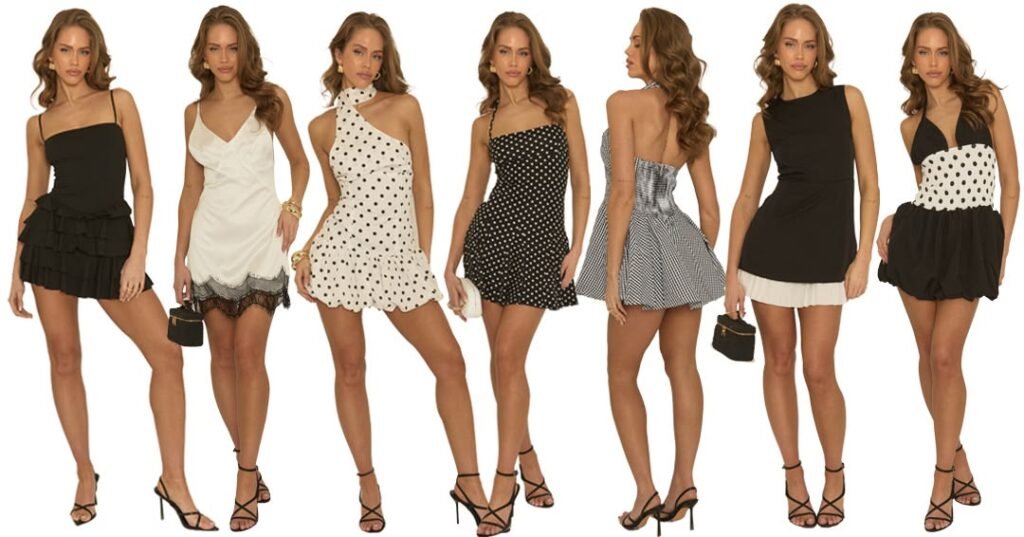
A fitted black mini with pointed heels, a small shoulder bag, and refined jewelry creates a sleek look. A satin mini can take a softer direction with delicate accessories and strappy shoes.
If the dress already has sequins, metallic details, dramatic sleeves, or a strong neckline, reduce the number of competing elements.
Mini Dress With Boots
Boots are among the most useful shoes for mini dresses because they visually balance the exposed leg.
Ankle boots create a more casual or edgy appearance. Knee-high boots produce a stronger vertical line and are particularly useful during fall and winter.
For a sophisticated outfit, match the visual weight of the boots with the dress. A delicate mini can look better with a streamlined boot than with an extremely heavy platform.
Mini Dress With Sneakers
Sneakers immediately make a mini dress more relaxed.
This combination works particularly well with T-shirt dresses, denim minis, sporty styles, and simple A-line shapes.
Low-profile sneakers produce a cleaner look, while chunky sneakers make the outfit more streetwear-oriented.
Mini Dress With Tights
Tights extend the usefulness of mini dresses into cooler seasons.
Opaque tights provide more coverage and create a strong foundation for boots. Sheer tights produce a lighter, dressier effect.
Black tights with black footwear can also create a continuous visual line through the lower half of the outfit.
Can You Wear a Mini Dress to Different Occasions?
Yes, but the answer depends heavily on the venue, dress code, fabric, and styling.
Casual Events
Mini dresses are naturally suited to many casual settings.
Cotton, denim, jersey, and relaxed silhouettes can work for brunch, shopping, vacations, casual dinners, and everyday outings.
The footwear often determines how casual the final outfit feels.
Parties and Evening Events
A mini can work exceptionally well for parties because its shorter silhouette naturally feels more energetic.
Look for fabrics such as satin, velvet, sequins, lace, or polished structured materials when the event calls for something more elevated.
Weddings
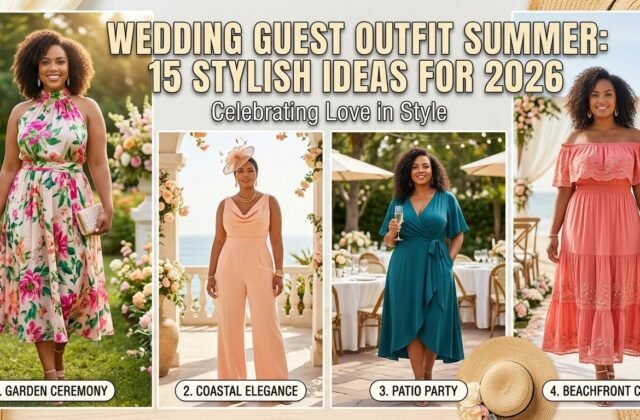
A mini dress can work for some casual daytime weddings, destination celebrations, rehearsal dinners, or relaxed receptions, but the invitation should always determine the dress code.
If the wedding is described as formal, black tie, or particularly traditional, a midi or maxi is generally a safer choice. The venue and cultural expectations also matter.
Work and Professional Settings
This is where context becomes particularly important.
A very short mini may not be appropriate for a conservative workplace, even when the dress itself is sophisticated. A longer mini paired with opaque tights, a structured blazer, and polished footwear can create a more restrained appearance, but workplace dress codes vary considerably.
When in doubt, choose a length and silhouette that remains comfortable and polished while seated.
How to Make a Mini Dress More Comfortable
Comfort should be evaluated before style details.
Check the dress while standing, sitting, walking, reaching, and using stairs. A hem that constantly rides upward can turn a beautiful outfit into an impractical one.
Slip shorts can provide additional coverage under very short styles. Fashion tape may help with certain necklines or wrap designs, while appropriate undergarments can prevent visible lines and improve support.
The best solution, however, is usually the correct size and construction. Accessories cannot compensate for a dress that does not fit properly.
How to Wear a Mini Dress in Different Seasons
Mini dresses are not restricted to summer.
Spring
Spring is ideal for lighter layers. Try a floral or solid mini with loafers, ballet flats, ankle boots, or a lightweight jacket.
Summer
Choose breathable fabrics and uncomplicated silhouettes. Linen, cotton, and lightweight blends work well for hot weather.
Sandals, sneakers, woven bags, and minimal jewelry can keep the outfit fresh without making it feel overworked.
Fall
Layering becomes the main styling tool.
Add tights, ankle boots, loafers, a cardigan, leather jacket, denim jacket, or tailored coat. Richer textures such as knitwear, suede, and wool blends naturally suit the season.
Winter
A mini can still work in cold weather when the rest of the outfit provides enough coverage.
Opaque tights, knee-high boots, a warm coat, and a sweater-style mini can create a practical cold-weather combination.
Shopping for a Mini Dress Online: What to Check
Online shopping makes garment measurements especially important.
Before purchasing, check:
- Dress length
- Bust measurement
- Waist measurement
- Hip measurement
- Fabric composition
- Stretch level
- Closure type
- Lining
- Model height and size
- Customer reviews
- Current return policy
Do not assume that the same labeled size will fit identically across different brands.
Photos are useful, but measurements tell you much more about the actual garment.
If you already own a mini dress that fits well, measure its length and compare that measurement with the new garment. This is often more reliable than guessing from product photography.
Common Mini Dress Styling Mistakes to Avoid
A mini dress does not need complicated styling, but a few mistakes can affect the final appearance.
Ignoring the Occasion
A mini can be sophisticated, but sophistication does not automatically make every short dress appropriate for every event.
Always consider the invitation, venue, time of day, and cultural expectations.
Choosing Length Without Testing Movement
Standing in front of a mirror is not enough. Sit down and walk around.
A dress that becomes uncomfortably short during movement is probably not the right choice for the occasion.
Overloading the Outfit
A statement mini, statement shoes, statement jewelry, and a dramatic bag can compete with one another.
Choose one or two dominant elements and let the rest support them.
Following Body-Type Rules Too Strictly
Fashion advice should help you make decisions, not impose rules.
A-line, bodycon, shift, wrap, and oversized silhouettes can all work on different bodies. Personal comfort, proportion, styling preference, and confidence are more useful considerations than rigid “flattering” rules.
FAQs About Clothing Mini Dress Styles
What is considered a mini dress?
A mini dress is generally a dress with a hemline above the knee. The exact length varies according to the wearer’s height, body proportions, waist placement, and garment construction.
How short should a mini dress be?
There is no single ideal length. A practical mini should feel secure when you stand, sit, walk, and move. Check the garment’s actual measurements rather than relying only on the word “mini.”
Can you wear a mini dress casually?
Yes. Cotton, jersey, denim, T-shirt, and relaxed A-line mini dresses can work well for everyday outfits. Sneakers, flat sandals, casual bags, and lightweight layers help keep the look relaxed.
What shoes look best with a mini dress?
Sneakers create a casual appearance, sandals work well for warm weather, ankle boots add structure, knee-high boots provide more coverage, and heels create a dressier effect. The best choice depends on the dress and https://www.pegasuspk.com/
Can you wear a mini dress in winter?
Yes. Tights, knee-high boots, warm coats, and knit fabrics make mini dresses practical for colder weather. Layering is the key to making a short dress seasonally appropriate.
Are mini dresses appropriate for weddings?
They can be appropriate for casual daytime weddings, relaxed celebrations, or rehearsal events when the dress code permits. For formal, black-tie, or conservative weddings, a midi or maxi dress is generally a safer choice. Always follow the invitation and venue expectations.
Conclusion
The strongest clothing mini dress choice is not necessarily the shortest, trendiest, or most expensive one. It is the dress whose length, silhouette, fabric, and styling work together for your proportions and the situation.
Start with the hemline and fit. Then consider fabric, neckline, waist placement, footwear, and layers. A simple mini can become casual with sneakers, sophisticated with tailored accessories, or seasonally appropriate with tights and boots.
Most importantly, judge the dress in motion rather than only in a mirror. If you can sit, walk, move comfortably, and feel appropriately dressed for the occasion, you have solved the most important part of mini-dress styling.
The mini dress remains relevant because it can adapt to personal style rather than demanding one specific look. That flexibility is what makes it a useful part of a modern wardrobe.