Fashion begins with an idea, but turning that idea into a finished garment requires a clear visual plan. This is where fashion design sketches become important. A fashion sketch allows designers to communicate clothing concepts, experiment with shapes and colors, and show how a finished garment may look before it is produced.
Whether you are a fashion design student, beginner, aspiring designer, or experienced professional, learning how to create effective sketches is an important part of the design process. A good sketch does not always need to look like a realistic portrait. Instead, it should communicate the designer’s vision clearly, including the silhouette, fabric, details, proportions, colors, and overall mood of the outfit.
Today, fashion designers use both traditional drawing techniques and digital tools to create their designs. Pencils, markers, watercolor, and colored pencils remain popular, while tablets and professional design software have made digital fashion illustration increasingly accessible.
In this guide, we will explore what fashion design sketches are, why they are important, different types of sketches, essential tools, how to create them step by step, and useful tips for improving your fashion illustration skills.
What Are Fashion Design Sketches?
Fashion design sketches are visual drawings used to represent clothing and accessory ideas. They can be simple concept drawings or highly detailed fashion illustrations.
Designers use sketches to communicate ideas about garments before creating patterns, samples, and final products. A sketch can show the shape of a dress, the construction of a jacket, the placement of pockets, the type of neckline, sleeve design, fabric movement, colors, and decorative details.
Unlike ordinary figure drawing, fashion illustration often emphasizes the clothing more than realistic human anatomy. Fashion figures are commonly elongated to create a stylish presentation and provide enough space to display the garment.
A fashion design sketch may be created by hand or digitally. The most important goal is to make the design easy to understand.
Why Are Fashion Design Sketches Important?
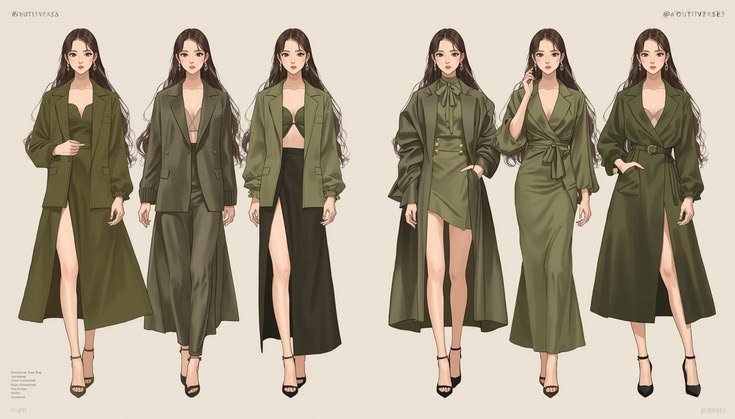
Fashion sketches are an essential communication tool in the fashion industry. They help designers develop and present ideas before investing time and money in production.
1. They Turn Ideas Into Visual Concepts
A designer may have an idea in their mind, but explaining that idea verbally can be difficult. Sketching provides a visual representation of the concept.
For example, if a designer imagines a flowing evening gown with an asymmetrical neckline and layered skirt, a sketch can communicate these details much more effectively than a written description.
2. They Help With Design Development
Designers rarely create the perfect garment on their first attempt. Sketching allows them to explore different silhouettes, colors, fabrics, and details.
A designer can quickly create several versions of the same outfit and compare them before selecting the strongest concept.
3. They Help Communicate With Others
Fashion design involves collaboration between designers, pattern makers, tailors, manufacturers, stylists, and clients.
A clear sketch gives everyone a better understanding of the intended design. It can reduce misunderstandings during the production process.
4. They Help Build a Fashion Portfolio
Fashion students and aspiring designers often use fashion sketches in their portfolios. A strong portfolio demonstrates creativity, technical ability, design thinking, and personal style.
Well-presented sketches can help students apply to fashion schools, internships, design jobs, and freelance opportunities.
Different Types of Fashion Design Sketches
There is no single style of fashion sketch. Designers use different types depending on the purpose of the drawing.
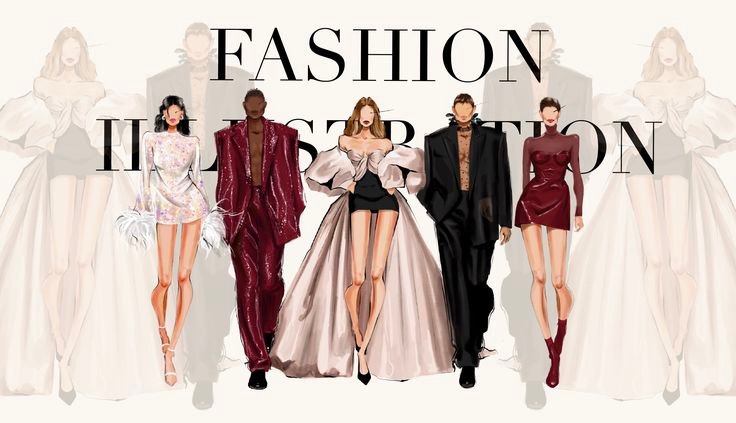
Fashion Illustration
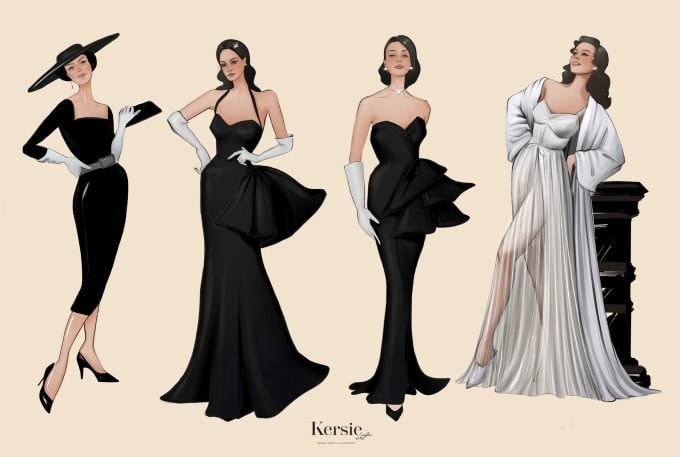
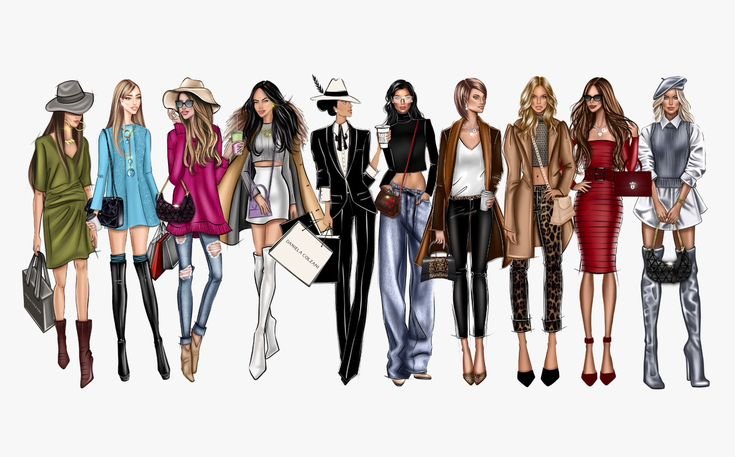
Fashion illustration focuses on presenting a garment in an artistic and visually appealing way. It may include colors, textures, shadows, and stylized figures.
These illustrations are often used in portfolios, presentations, magazines, and creative projects.
Technical Fashion Sketches
Technical sketches, sometimes called flats, focus on the garment rather than the fashion figure.
They usually show the front, back, and sometimes side views of clothing. Technical sketches are more precise and may include seams, stitching, buttons, zippers, pockets, collars, and construction details.
Concept Sketches
Concept sketches are usually quick drawings created during the early stages of the design process.
They allow designers to experiment with ideas without worrying about perfect proportions or details.
Digital Fashion Sketches
Digital sketches are created using tablets, computers, and specialized software. They allow designers to easily edit colors, duplicate designs, create layers, and experiment with different fabrics and patterns.
Digital fashion illustration is especially useful for modern design workflows.
Essential Tools for Fashion Design Sketches
You do not need expensive equipment to start learning fashion illustration. Beginners can start with basic supplies and gradually upgrade their tools.
Pencil and Eraser
A good pencil is one of the easiest ways to begin. Pencils allow you to create light construction lines and gradually add darker details.
A quality eraser is also useful for correcting proportions and removing unnecessary guidelines.
Sketchbook
A sketchbook provides a place to practice regularly. Carrying a sketchbook can encourage you to draw whenever you notice interesting clothing, shapes, textures, or design ideas.
Colored Pencils and Markers
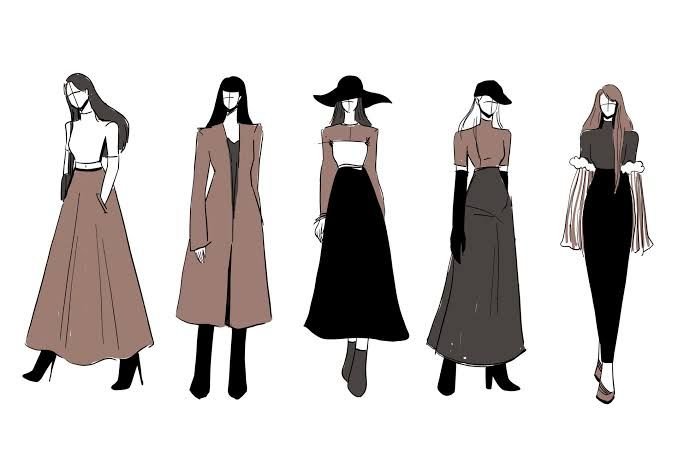
Colors can make fashion illustrations more expressive. Colored pencils provide control and subtle shading, while markers can create strong and vibrant results.
Watercolors
Watercolors can create soft fabric effects and beautiful color transitions. They are particularly useful for artistic fashion illustrations.
Fineliner Pens
Fineliners can be used to create clean outlines and technical details. Different line thicknesses can help create depth and visual hierarchy.
Digital Drawing Tablet
For digital fashion design sketches, a drawing tablet can be very useful. Many designers use tablets with pressure-sensitive styluses to create natural-looking lines.
How to Create Fashion Design Sketches Step by Step
Learning fashion sketching takes practice, but following a structured process can make it easier.
Step 1: Start With the Fashion Figure
Begin by drawing a simple fashion figure, often called a croquis. The croquis provides the foundation for the clothing.
You can start with basic lines representing the head, spine, shoulders, hips, arms, and legs. Do not worry about facial details at this stage.
Many fashion illustrations use elongated proportions. However, beginners should first learn basic proportions before intentionally exaggerating them.
Step 2: Establish the Pose
The pose can influence how the garment appears.
Try different poses such as standing straight, walking, turning, or placing one hand on the hip. A dynamic pose can make the illustration more interesting.
Make sure the pose supports the garment rather than making the clothing difficult to understand.
Step 3: Draw the Garment Silhouette
The silhouette is one of the most important elements of a fashion sketch.
Start by drawing the overall shape of the clothing. Consider whether the garment is fitted, loose, structured, oversized, flowing, short, or long.
At this stage, focus on the large shapes rather than small details.
Step 4: Add Clothing Details
Once the silhouette is established, add important design features.
These might include:
- Necklines
- Sleeves
- Collars
- Pockets
- Buttons
- Zippers
- Belts
- Pleats
- Ruffles
- Seams
- Embroidery
- Prints
- Decorative elements
Details should support the overall design rather than make the sketch unnecessarily complicated.
Step 5: Show Fabric Movement
Different fabrics behave differently.
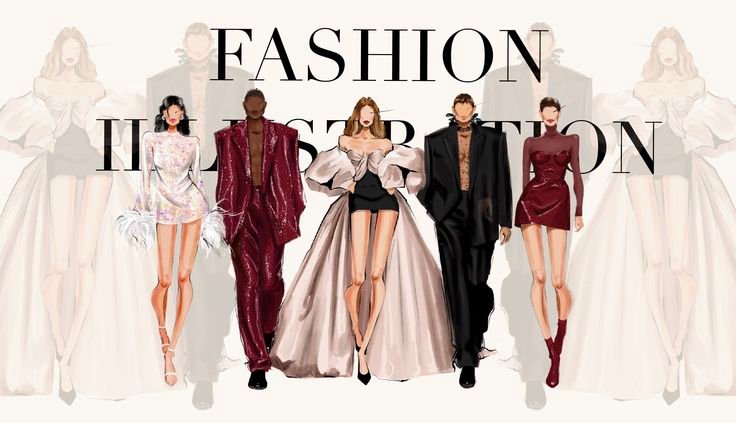
Silk may appear soft and flowing, while denim tends to look structured. Wool can appear heavier, while chiffon may have delicate movement.
Use lines, folds, shadows, and highlights to communicate the weight and movement of the material.
Step 6: Add Color
Color can help communicate the mood and personality of a design.
Choose colors that complement the garment’s concept. You can also create several color variations of the same design to explore different possibilities.
Step 7: Add Shading and Texture
Shading can make a flat illustration appear more dimensional.
Pay attention to where light would naturally fall on the garment. Add darker areas around folds, overlaps, seams, and areas where fabric sits close to the body.
Texture can also help identify materials such as leather, denim, lace, satin, velvet, or knitwear.
Step 8: Review and Refine
Finally, examine your sketch carefully.
Ask yourself:
- Is the silhouette clear?
- Can the garment details be understood?
- Does the fabric look believable?
- Are the proportions consistent?
- Does the color combination work?
- Does the sketch communicate the original idea?
Make corrections before adding the final presentation details.
Tips for Improving Your Fashion Design Sketches
Becoming good at fashion illustration takes consistent practice. The following tips can help you improve faster.
Practice Figure Drawing
Even though fashion illustration is focused on clothing, understanding the human body is extremely useful. Practice basic anatomy, proportions, poses, and movement.
Study Real Clothing
Look carefully at real garments. Observe how fabric folds around elbows, knees, shoulders, waistlines, and other areas.
You can also study clothing from photographs, fashion shows, vintage collections, and everyday street style.
Experiment With Different Styles
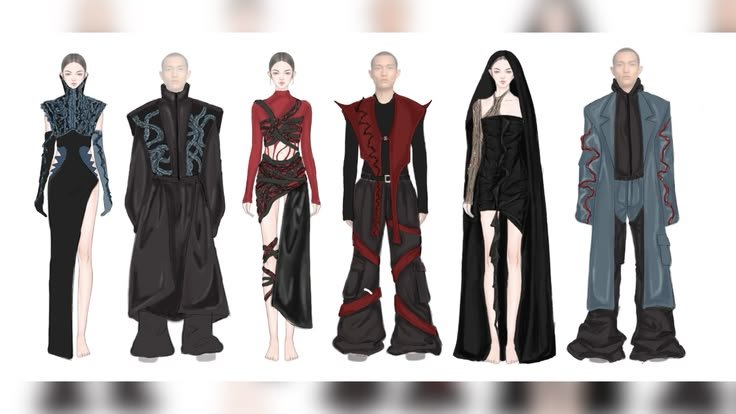
Do not feel that every sketch needs to look the same. Try minimalist line drawings, colorful illustrations, realistic rendering, exaggerated fashion figures, and loose conceptual sketches.
Experimentation can help you discover your own visual style.
Keep a Design Sketchbook
Regular practice is one of the most effective ways to improve.
Instead of drawing only when you have a specific project, make sketching part of your routine. Even a few drawings each day can improve your confidence and speed.
Learn From Professional Designers
Study fashion illustrations created by established designers and illustrators. Look at how they use proportion, composition, line quality, color, and fabric rendering.
The goal is not to copy their work but to understand different approaches and develop your own style.
Traditional vs. Digital Fashion Design Sketches
Both traditional and digital methods have advantages.
Traditional drawing is excellent for developing fundamental drawing skills. Pencil, ink, watercolor, and markers allow designers to experiment freely and develop a personal artistic style.
Digital illustration provides greater flexibility. Designers can undo mistakes, duplicate elements, change colors, add layers, and make revisions quickly.
Digital files are also easier to share with clients and production teams.
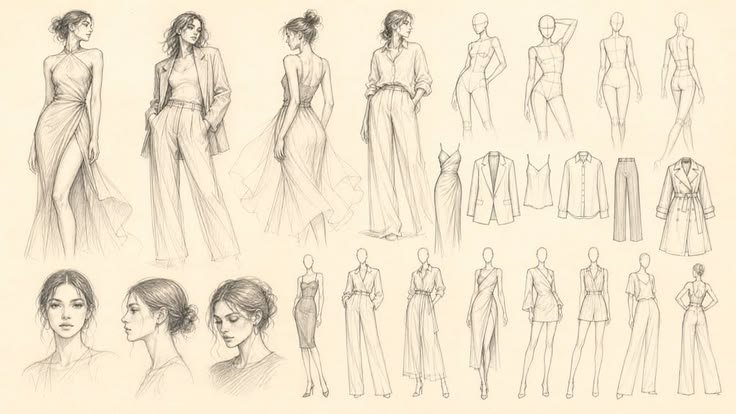
Many modern designers combine both approaches. For example, a designer may begin with a pencil sketch and then scan it into a computer for digital coloring and refinement.
Common Mistakes Beginners Make
Beginners often make similar mistakes when creating fashion design sketches.
One common problem is focusing too much on small details before establishing the overall silhouette. A beautifully detailed garment can still look incorrect if its proportions are weak.
Another mistake is ignoring fabric behavior. Every material has different weight, structure, and movement.
Using too many colors can also make a sketch confusing. Start with a clear color palette and add variations carefully.
Finally, many beginners compare their early drawings with professional illustrations. Fashion sketching is a skill that develops over time, so consistent practice is more important than immediate perfection.
How Fashion Design Sketches Are Used in the Industry
Fashion sketches are used throughout the design process.
Designers may use them during brainstorming and collection development. Once a concept is selected, more detailed technical drawings can help pattern makers and manufacturers understand the garment.
Sketches can also be presented to clients, buyers, creative directors, and fashion teams.
In fashion education, students use sketches to document their design development and demonstrate their creative thinking.
For independent designers, sketches can also help establish a recognizable visual identity for a brand.
Building a Fashion Sketch Portfolio
If you want to pursue fashion design professionally, consider creating a portfolio of your strongest work.
A good portfolio should show variety while maintaining a clear sense of your design identity.
You could include:
- Initial concept sketches
- Final fashion illustrations
- Technical flats
- Fabric studies
- Color experiments
- Accessory designs
- Collection boards
- Garment development
- Digital illustrations
- Finished garment photographs
Quality is generally more important than simply including a large number of drawings. Select work that demonstrates your strongest skills and design ideas.
Frequently Asked Questions About Fashion Design Sketches
What are fashion design sketches?
Fashion design sketches are drawings that communicate clothing and accessory concepts. They can show garment silhouettes, construction details, colors, fabrics, textures, and overall design ideas.
Do I need to be good at drawing to learn fashion design sketches?
No. Drawing skills can be developed through practice. Beginners should start with basic figures, simple garments, and gradually progress toward more detailed illustrations.
What is a fashion croquis?
A fashion croquis is a simplified figure used as a foundation for drawing clothing designs. It helps designers visualize how garments may look on the body.
Can I create fashion design sketches digitally?
Yes. Digital fashion illustration is widely used today. Designers can use drawing tablets and digital illustration software to create, edit, color, and present their designs.
What should I draw first in a fashion sketch?
Start with the basic fashion figure and pose. Then establish the garment’s overall silhouette before adding details such as sleeves, collars, pockets, buttons, and fabric textures.
How can I improve my fashion sketching skills?
Regular practice is the best approach. Study human proportions, observe real clothing, practice different poses, experiment with fabrics and colors, and review professional fashion illustrations.
Are fashion sketches important for fashion students?
Yes. Fashion sketches are commonly used to communicate design concepts and demonstrate creativity and technical development in student projects and portfolios.
What is the difference between a fashion illustration and a technical sketch?
A fashion illustration focuses on presenting the garment creatively on a figure, while a technical sketch focuses more precisely on garment construction and details.
Conclusion
Fashion design sketches are an important part of the creative process. They allow designers to transform ideas into visual concepts and communicate those concepts clearly to clients, teams, manufacturers, and audiences.
Whether you prefer pencil and paper or digital tools, the fundamentals remain similar: understand proportions, develop strong silhouettes, study fabric behavior, use color effectively, and communicate garment details clearly.
You do not need to create perfect illustrations when you begin. Start with simple figures and basic garments, practice consistently, and gradually experiment with more advanced techniques.
With patience, creativity, and regular practice, your fashion design sketches can become an important part of your portfolio and help you develop your own unique design language.