Fashion is more than clothing. It is a form of creativity, communication, culture, and business. Behind every successful clothing collection is a fashion designer who develops ideas and transforms them into wearable products. If you have a passion for clothing, colors, fabrics, trends, and creativity, a career in fashion design can be an exciting choice.
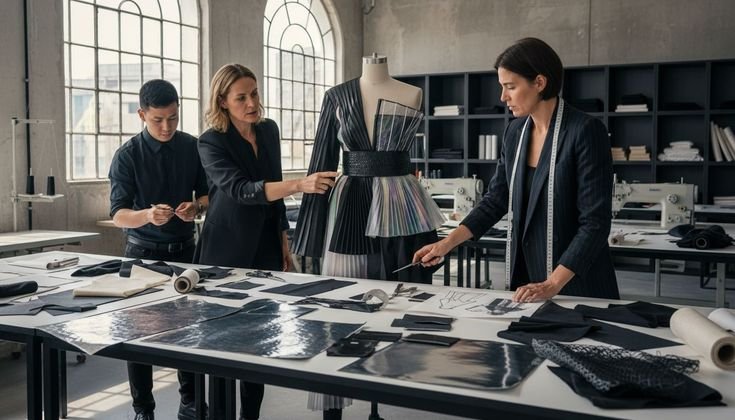
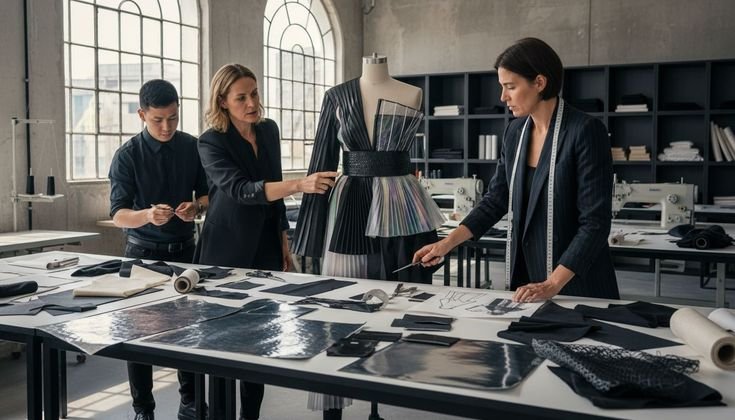
The job of a fashion designer involves much more than simply drawing attractive outfits. Fashion designers research trends, create designs, select fabrics, develop samples, work with manufacturers, communicate with clients, and help bring collections from an initial concept to the final product.
Fashion designers can work in many areas, including clothing brands, luxury fashion houses, sportswear companies, bridal fashion, accessories, costume design, textile companies, and independent businesses. Some designers work for established companies, while others create their own fashion labels.
This article explains what a fashion designer does, the main responsibilities, required skills, educational qualifications, career opportunities, salary factors, and how beginners can start a career in fashion design.
What Is a Fashion Designer?
A fashion designer is a professional who creates concepts and designs for clothing, accessories, footwear, or other fashion products. Designers combine creativity with technical knowledge to produce garments that are attractive, functional, comfortable, and suitable for a specific target market.
A designer may begin with an idea, sketch, mood board, or source of inspiration. That concept is then developed through fabric selection, pattern creation, sample production, fitting, and revisions.
Fashion designers may specialize in different areas, such as:
- Women’s fashion
- Men’s fashion
- Children’s clothing
- Bridal and wedding wear
- Sportswear
- Casualwear
- Luxury fashion
- Accessories
- Footwear
- Costume design
- Sustainable fashion
- Textile and print design
Because the fashion industry is constantly changing, designers need to balance creativity with an understanding of customers, markets, production, and current trends.
What Is the Job of a Fashion Designer?
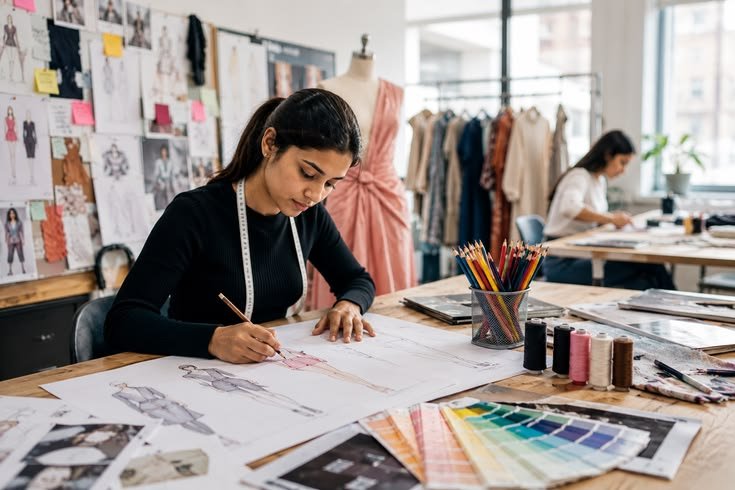
The primary job of a fashion designer is to develop fashion products from an initial concept to a finished design. However, the exact responsibilities depend on the designer’s workplace and specialization.
A designer working for a large fashion company may focus mainly on design development, while an independent designer may handle almost every part of the business.
1. Researching Fashion Trends
One of the most important responsibilities is researching current and upcoming fashion trends.
Designers study:
- Colors
- Fabrics
- Silhouettes
- Patterns
- Consumer preferences
- Fashion shows
- Street style
- Cultural influences
- Social media trends
- Competitor collections
Trend research helps designers understand what customers may want in future seasons. However, professional designers do not simply copy existing designs. They use research as inspiration and develop their own creative direction.
2. Creating Fashion Concepts
After researching trends and identifying a target customer, the designer develops a concept for a collection or individual garment.
This may involve creating:
- Mood boards
- Color palettes
- Inspiration boards
- Design themes
- Fabric concepts
- Collection plans
- Initial sketches
A strong concept gives the collection a consistent visual identity.
3. Sketching Designs
Sketching is a traditional and important part of fashion design. Designers use sketches to communicate how a garment should look.
Today, fashion designers may use both hand-drawing and digital design software. Digital tools allow designers to create accurate illustrations, experiment with colors, and make changes quickly.
A fashion sketch may show details such as:
- Garment shape
- Neckline
- Sleeves
- Pockets
- Buttons
- Prints
- Stitching
- Fabric appearance
- Decorative elements
4. Selecting Fabrics and Materials
Choosing the right material is another major part of the job.
Designers need to understand how different fabrics behave. For example, silk, denim, cotton, wool, linen, polyester, and leather have different textures, weights, durability, and movement.
A designer considers:
- Fabric quality
- Cost
- Comfort
- Durability
- Color
- Texture
- Availability
- Season
- Production requirements
The fabric must match both the design concept and the needs of the customer.
5. Developing Samples and Prototypes
A sketch is only the beginning. Designers usually need to turn their ideas into physical samples.
The sample development process may include creating patterns, cutting fabric, sewing pieces together, and producing a prototype.
The first sample may not be perfect. Designers inspect the garment and identify problems related to fit, proportions, construction, or appearance.
They then make adjustments before the design goes into production.
6. Working With Pattern Makers and Tailors
Fashion designers often work closely with pattern makers, tailors, sample makers, and production teams.
The designer communicates how the garment should be constructed and provides technical details.
Good communication is essential because even a small misunderstanding can affect the final product.
7. Conducting Garment Fittings
Fittings allow designers to evaluate how clothing looks and feels on the body.
During a fitting, designers may identify issues such as:
- Incorrect sizing
- Tight or loose areas
- Poor proportions
- Sleeve problems
- Uneven hems
- Uncomfortable construction
- Incorrect placement of design details
The garment is then adjusted until the desired fit and appearance are achieved.
8. Creating Technical Specifications
Fashion designers working in commercial production may also prepare technical information for manufacturers.
Technical specifications can include:
- Measurements
- Fabric information
- Stitching details
- Color references
- Construction instructions
- Trims
- Labels
- Size specifications
These details help production teams manufacture garments consistently.
Skills Required to Become a Fashion Designer
Successful fashion designers need a combination of creative, technical, and business skills.
Creativity
Creativity is one of the most important qualities. Designers need to develop original ideas and create products that stand out in a competitive market.
Drawing and Illustration
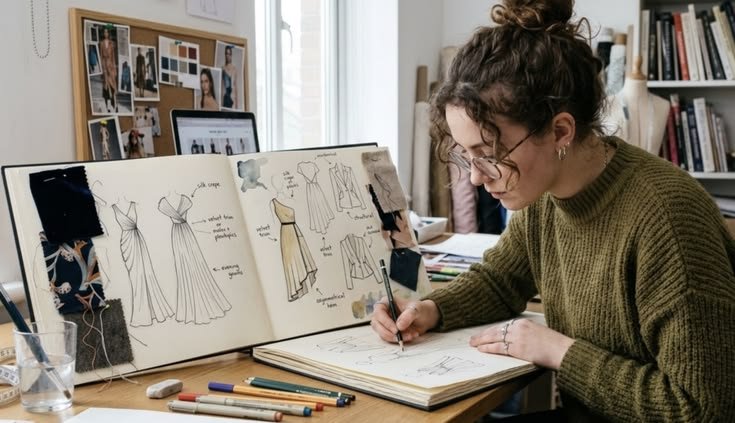
Basic fashion illustration skills help designers communicate their ideas clearly. Digital illustration skills can also be valuable.
Knowledge of Fabrics
A good designer should understand different fabrics, their characteristics, and how they behave during cutting, sewing, and wearing.
Sewing and Garment Construction
Designers do not always need to be expert tailors, but understanding sewing and construction makes it easier to create realistic and practical designs.
Communication
Fashion is a collaborative industry. Designers communicate with clients, models, pattern makers, manufacturers, buyers, photographers, marketers, and other professionals.
Computer Skills
Modern fashion designers often use digital tools for illustration, technical drawings, pattern development, presentations, and collection planning.
Business Knowledge
Designers who want to launch their own brand should understand pricing, marketing, production, customer research, inventory, and sales.
Time Management
Fashion collections often have strict deadlines. Designers must manage multiple projects and complete work on schedule.
Educational Requirements for Fashion Designers
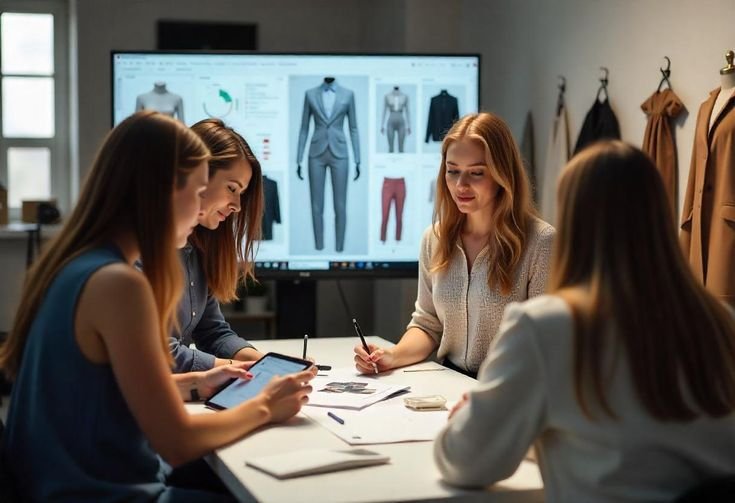
There is no single educational path that guarantees success in fashion design. However, formal education can provide valuable technical and creative knowledge.
Students can consider programs such as:
- Diploma in Fashion Design
- Certificate in Fashion Design
- Bachelor’s degree in Fashion Design
- Bachelor’s degree in Fashion and Textile Design
- Textile Design programs
- Fashion merchandising programs
A fashion design program commonly teaches subjects such as fashion illustration, textile studies, pattern making, garment construction, fashion history, computer-aided design, and fashion business.
However, education is only one part of becoming a successful designer. Practical experience and a strong portfolio are equally important.
Importance of a Fashion Design Portfolio
A portfolio is one of the most important tools for anyone looking for a job in fashion design.
A good portfolio demonstrates your creativity, technical skills, design thinking, and ability to develop ideas.
It can include:
- Fashion sketches
- Completed garments
- Mood boards
- Color palettes
- Textile experiments
- Technical drawings
- Pattern development
- Photography of finished work
- Digital designs
- Collection concepts
Students and beginners should focus on quality rather than simply filling a portfolio with a large number of designs.
Where Can a Fashion Designer Work?
The fashion industry provides opportunities in many different sectors.
Fashion Brands
Large and small clothing brands employ designers to create seasonal collections and individual products.
Luxury Fashion Houses
Luxury brands often require designers with strong creative and technical skills. Competition for these positions can be high.
Sportswear Companies
Sportswear designers create clothing for activities such as running, fitness, football, basketball, and outdoor sports.
Bridal Fashion
Bridal designers specialize in wedding dresses, formalwear, and related garments.
Costume Design
Costume designers create clothing for films, television, theater, advertising, and entertainment productions.
Textile Companies
Some designers specialize in prints, patterns, colors, and textile development rather than complete garments.
Freelancing
Freelance fashion designers can work with multiple clients instead of being employed by one company.
Entrepreneurship
Designers can also establish their own fashion brands. This path provides greater creative control but also requires strong business and marketing skills.
Fashion Designer Salary
The salary of a fashion designer varies significantly depending on experience, location, specialization, employer, education, portfolio, and business success.
Entry-level designers generally earn less because they are still developing their technical and professional experience. Designers with several years of experience may move into senior design, product development, creative direction, or management roles.
Independent designers have a different income structure. Their earnings may depend on sales, client projects, commissions, brand reputation, and business performance.
Therefore, instead of focusing only on starting salary, beginners should consider the long-term opportunities for skill development and career progression.
Career Growth in Fashion Design
A fashion designer can progress through several career stages.
A beginner may start as:
Fashion Design Intern → Junior Designer → Fashion Designer → Senior Designer → Design Manager → Creative Director
Some designers eventually become:
- Fashion consultants
- Creative directors
- Brand owners
- Fashion educators
- Costume designers
- Textile designers
- Fashion entrepreneurs
- Freelance consultants
Career progression depends on experience, creativity, professional relationships, portfolio quality, and business understanding.
How to Start a Career in Fashion Design
If you are interested in becoming a fashion designer, you can follow these practical steps.
Step 1: Learn the Fundamentals
Start by learning fashion illustration, color theory, fabrics, sewing, garment construction, and basic pattern making.
Step 2: Practice Regularly
Design frequently. Try creating different types of garments instead of repeatedly designing the same style.
Step 3: Build a Portfolio
Document your best work and organize it into a professional portfolio.
Step 4: Learn Digital Design
Develop skills with relevant fashion and graphic design software. Digital skills can make your work more efficient and improve your professional opportunities.
Step 5: Gain Practical Experience
Internships, apprenticeships, freelance projects, and fashion workshops can help you understand how the industry works.
Step 6: Follow Fashion Industry Trends
Read fashion publications, follow designers, observe collections, and study changing consumer preferences.
Step 7: Network
Connect with designers, manufacturers, photographers, models, fashion students, retailers, and other industry professionals.
Step 8: Apply for Entry-Level Jobs
Look for opportunities such as fashion design assistant, junior designer, design intern, textile assistant, or product development assistant.
Future of the Fashion Designer Job
The fashion industry continues to evolve because of technology, changing consumer behavior, sustainability, and digital commerce.
Technology is changing how designers work. Digital design, 3D visualization, artificial intelligence-assisted workflows, online fashion platforms, and digital manufacturing tools are becoming increasingly important.
Sustainability is another major area of development. Designers are increasingly exploring recycled materials, responsible production, durable clothing, waste reduction, and environmentally conscious design.
These developments mean future fashion designers may need a combination of traditional design knowledge and modern technology skills.
Conclusion
The job of a fashion designer combines creativity, technical knowledge, research, communication, and business awareness. Fashion designers are responsible for turning ideas into clothing and fashion products that meet the needs of customers and brands.
From researching trends and sketching designs to selecting fabrics, developing samples, conducting fittings, and working with production teams, the role involves many different responsibilities.
For beginners, the best way to enter this field is to develop strong fundamental skills, practice consistently, build an impressive portfolio, gain practical experience, and stay updated with changes in the fashion industry.
Fashion design can be a competitive career, but for people who are creative, hardworking, curious, and willing to continuously learn, it can provide exciting opportunities in clothing, accessories, textiles, luxury fashion, sportswear, bridal design, freelancing, and entrepreneurship.
Frequently Asked Questions (FAQs)
1. What is the main job of a fashion designer?
The main job of a fashion designer is to create and develop clothing or fashion product designs. This can include researching trends, sketching concepts, selecting fabrics, developing samples, conducting fittings, and working with production teams.
2. What skills does a fashion designer need?
A fashion designer needs creativity, fashion illustration, fabric knowledge, garment construction, communication, computer skills, time management, trend research, and problem-solving abilities.
3. Do fashion designers need a degree?
A degree is not always mandatory, but formal education can provide valuable knowledge and practical training. A strong portfolio and practical experience are also very important when applying for fashion jobs.
4. Is fashion designing a good career?
Yes. Fashion design can be a rewarding career for creative people who enjoy clothing, textiles, trends, and visual design. The industry offers opportunities in fashion brands, luxury companies, sportswear, bridal fashion, textiles, costume design, freelancing, and entrepreneurship.
5. Can a fashion designer work from home?
Yes. Freelance and independent fashion designers can perform many tasks from home, including research, sketching, digital design, client communication, and collection planning. However, sample development and manufacturing may require access to specialized facilities or suppliers.
6. What should I include in a fashion design portfolio?
A portfolio can include your best fashion sketches, mood boards, color palettes, textile experiments, technical drawings, completed garments, digital designs, and collection concepts.
7. Can fashion designers start their own brands?
Yes. Many designers eventually launch their own fashion brands. However, running a fashion business requires additional skills in marketing, finance, manufacturing, sales, customer research, and business management.
8. What is the difference between a fashion designer and a tailor?
A fashion designer primarily develops concepts and designs for fashion products, while a tailor generally specializes in making, altering, and fitting garments. In smaller businesses, one person may perform both roles.
9. Is fashion design a competitive career?
Yes. Fashion design can be highly competitive, especially for positions at famous brands. A strong portfolio, practical experience, technical ability, networking, and a distinctive creative style can help candidates stand out.
10. What is the best way to start learning fashion design?
Start with basic fashion drawing, color theory, textiles, sewing, garment construction, and pattern making. Practice regularly, create projects, build a portfolio, and seek practical experience through internships or entry-level opportunities.