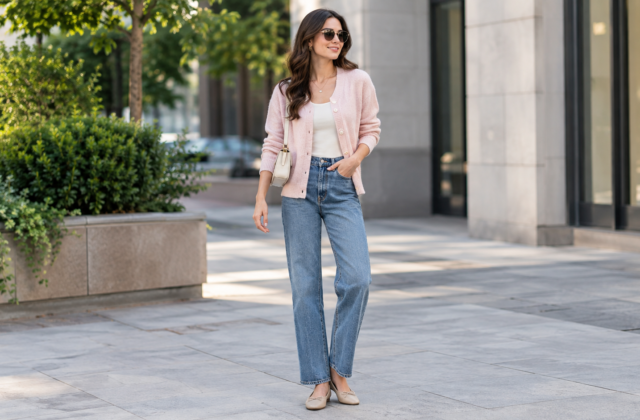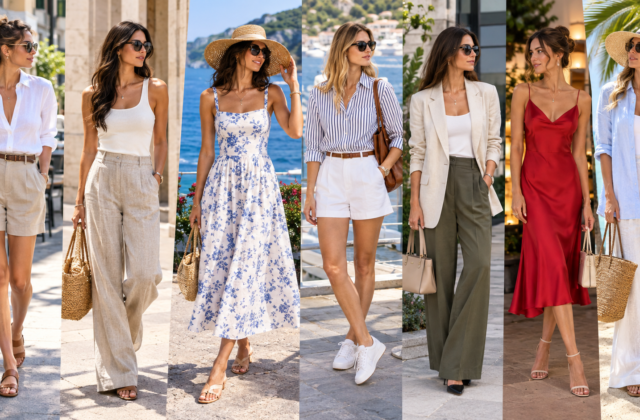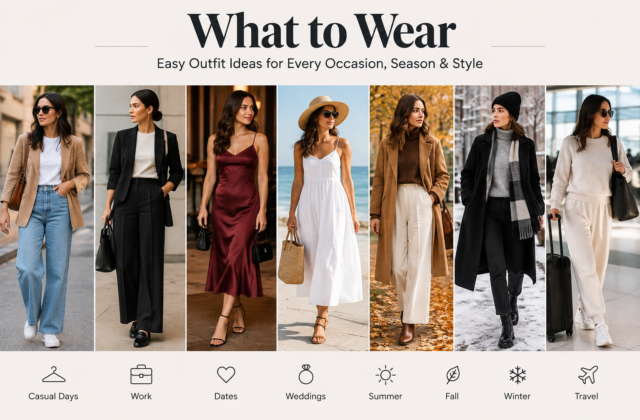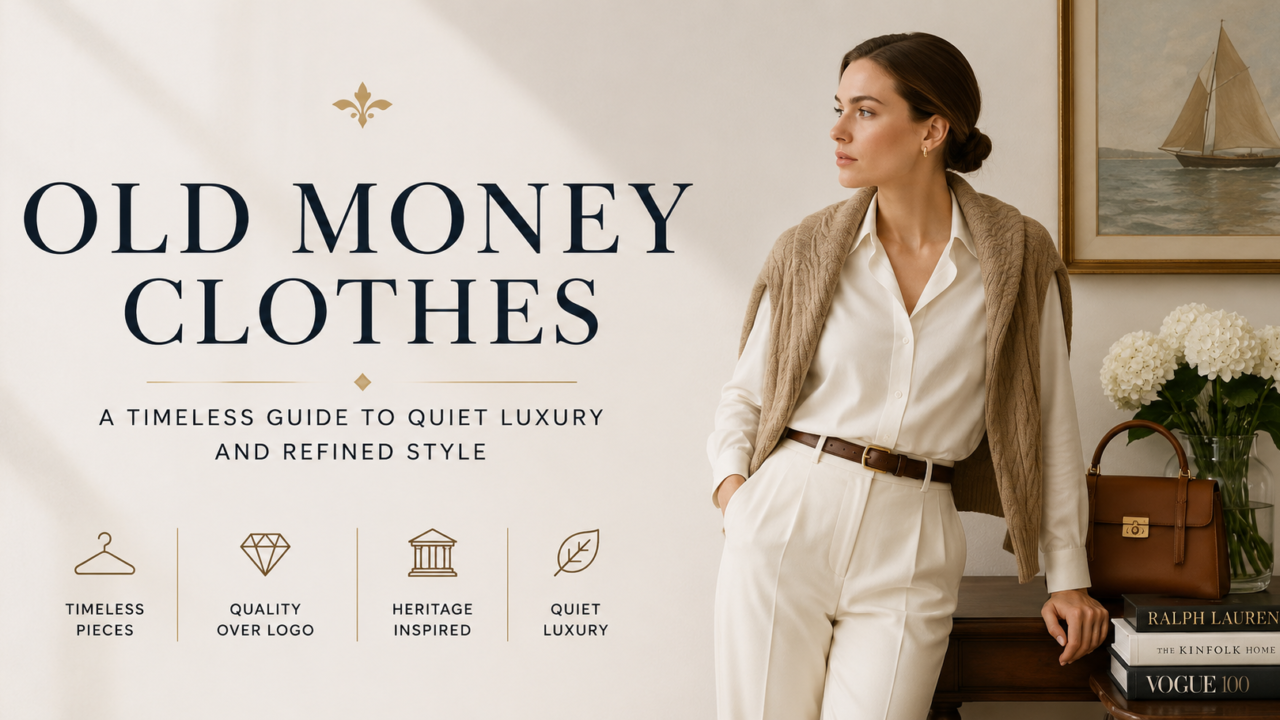
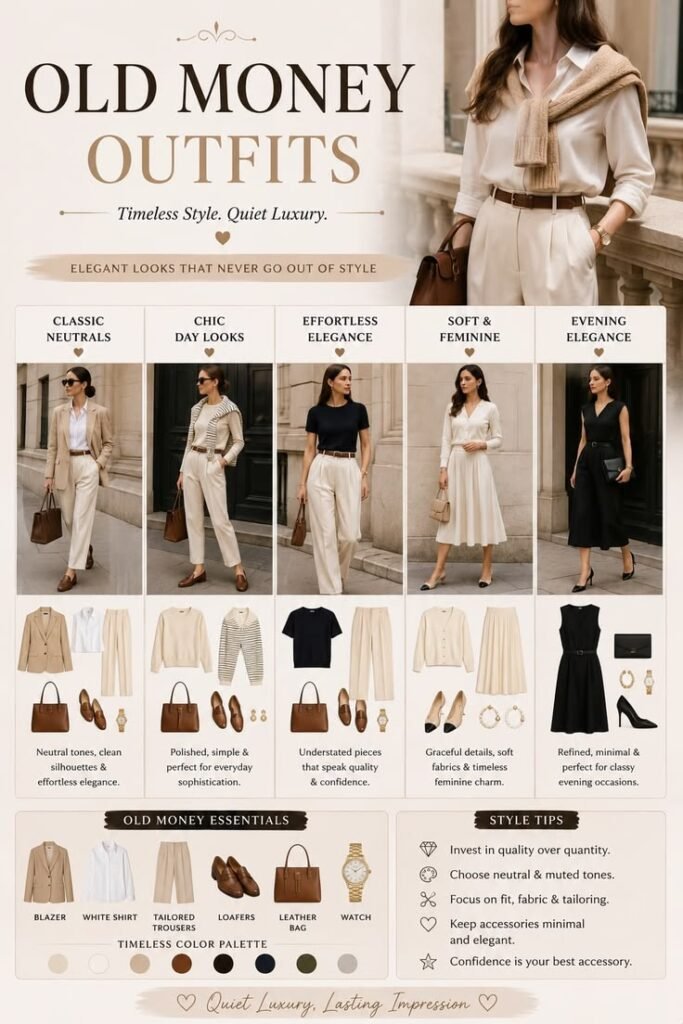
The appeal of old money clothes comes from their ability to look polished without appearing overly styled. Think tailored trousers crisp button-down shirts fine knitwear structured blazers loafers elegant coats and understated accessories. The aesthetic favors quality-looking materials balanced proportions neutral colors and clothing that feels appropriate rather than attention-seeking.
Search intent for old money clothes is mixed with a strong informational and commercial focus. People searching the term often want to understand the aesthetic identify the essential pieces learn how to style them and decide what clothing is worth buying. This guide covers all four needs with practical advice for building a refined wardrobe without relying on obvious logos or expensive designer labels.
What Are Old Money Clothes?
Old money clothes describe a style associated with traditional understated elegance rather than visible wealth or rapidly changing trends. The emphasis is on classic silhouettes restrained colors good proportions and versatile pieces that can be worn repeatedly.
The aesthetic is closely related to quiet luxury although the two concepts are not identical. Quiet luxury focuses heavily on discreet luxury and exceptional materials while the old money aesthetic is broader. A person can create the look with accessible clothing as long as the pieces have the right cut fabric appearance color palette and styling.
Typical examples include:
- Navy or charcoal blazers
- White and pale-blue Oxford shirts
- Straight-leg or pleated trousers
- Fine-gauge sweaters
- Cashmere-style knitwear
- Polo shirts
- Loafers and leather flats
- Trench coats
- Long wool coats
- Pleated skirts
- Simple leather belts
- Minimal watches and jewelry
The key principle is simple: the outfit should look considered not complicated.
The Core Characteristics of Old Money Style
Neutral and Muted Colors
Color is one of the easiest ways to establish this aesthetic. Cream ivory navy camel beige brown gray black white and muted green form the foundation of many refined outfits.
This does not mean bright colors are forbidden. Burgundy forest green powder blue and muted red can work beautifully when used selectively.
A navy blazer with cream trousers and brown loafers for example creates a sophisticated combination without needing bold patterns or statement branding.
Classic Silhouettes
Old money clothes generally avoid extreme proportions. Clothing should have enough structure to maintain a clean shape while still allowing comfortable movement.
For men this might mean straight-leg trousers a relaxed but tailored blazer or a properly fitted polo. For women examples include midi skirts tailored trousers structured jackets straight-leg jeans and dresses with simple silhouettes.
The goal is not necessarily a tight fit. Fit and proportion matter more than size.
Understated Details
Logos are usually minimal or absent. Decorative hardware oversized graphics excessive distressing and highly visible branding can make an outfit feel less aligned with the aesthetic.
Small details often have a greater impact: a neatly tucked shirt polished shoes a leather belt that complements the footwear or a sweater draped naturally over the shoulders.
Essential Old Money Clothes for a Modern Wardrobe
The Tailored Blazer
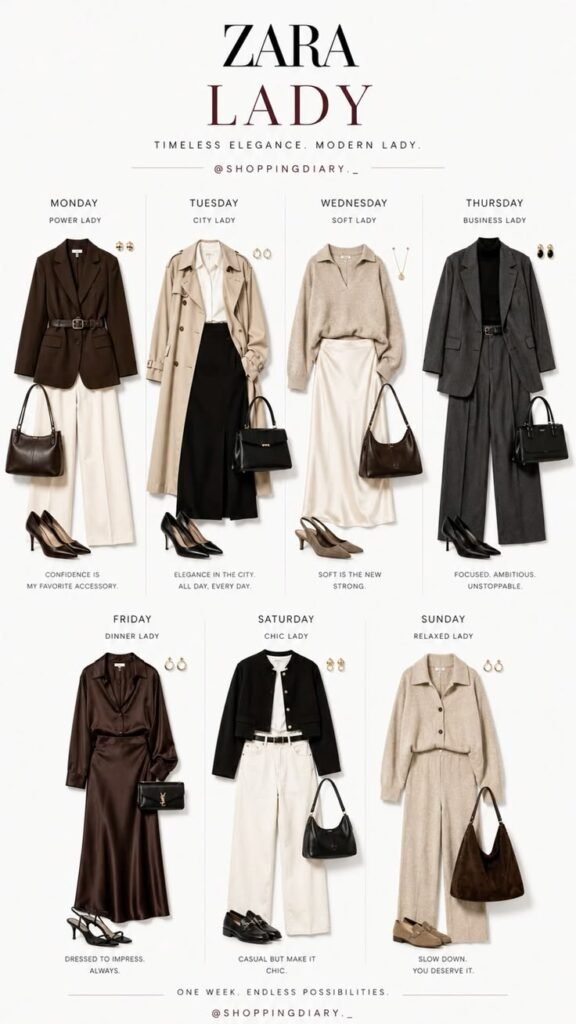
A blazer is one of the most useful pieces in this style. Navy is an especially versatile choice followed by charcoal camel beige and subtle checks.
Choose a blazer with clean shoulders and a natural fit rather than one that feels extremely slim. It should work with trousers chinos jeans skirts or tailored shorts depending on the season.
For a modern American wardrobe a navy blazer can move easily between office settings weekend lunches dinners and travel.
The Oxford Shirt
A crisp Oxford or poplin shirt immediately adds structure to an outfit. White and pale blue are the most versatile choices.
Wear it traditionally with tailored trousers leave it slightly relaxed with straight-leg denim or layer it underneath a crew-neck sweater.
The shirt should be clean and well maintained. Wrinkles stretched collars and worn cuffs can undermine an otherwise sophisticated outfit.
Tailored Trousers
Trousers are essential because they establish the polished foundation of the look.
Choose straight or gently relaxed legs rather than extremely skinny or exaggerated silhouettes. Pleats can add a classic character while flat-front trousers provide a cleaner contemporary appearance.
Neutral shades such as beige gray navy brown and cream offer the most styling flexibility.
Knitwear
Fine knit sweaters are among the easiest ways to create an understated outfit.
Crew-neck sweaters V-necks cardigans polo sweaters and lightweight turtlenecks can all work. Natural-looking textures such as wool cotton linen blends and cashmere-style knits reinforce the refined character of the outfit.
A cream sweater over a blue Oxford shirt with tailored trousers is a simple combination that works across many settings.
Loafers
Footwear can make or break this aesthetic. Loafers penny loafers horsebit-inspired styles leather ballet flats simple riding boots and clean leather sneakers can all fit depending on the outfit.
Brown leather works particularly well with navy beige cream and olive. Black shoes provide a sharper appearance and pair naturally with gray black and darker navy clothing.
Keep footwear clean and in good condition. Expensive shoes do not automatically create an elegant outfit.
Old Money Clothes for Women
Dresses and Skirts
Women can build this aesthetic around midi dresses shirt dresses pleated skirts A-line skirts and simple knit dresses.
Look for restrained patterns such as stripes checks small florals or subtle houndstooth rather than oversized graphics.
A navy midi dress with loafers and a structured handbag can look refined without requiring elaborate accessories.
Women’s Tailored Trousers
High-waisted or mid-rise trousers with a straight or wide-but-controlled leg are particularly versatile. Pair them with a tucked shirt fitted knit cardigan or relaxed blazer.
The important detail is balance. If the trousers are wide a more structured or streamlined top can create visual proportion.
Cardigans and Fine Knitwear
Cardigans are especially useful for creating a polished layered look. A fitted cardigan can be paired with tailored trousers while a relaxed cardigan can soften a structured skirt or dress.
Neutral shades provide maximum versatility but muted burgundy navy chocolate brown and dark green can add depth.
Structured Accessories
Accessories should support the outfit rather than dominate it.
A structured leather-look handbag simple sunglasses a slim belt pearl-style earrings a classic watch or a silk scarf can provide enough finishing detail.
The objective is visual consistency. Accessories should feel like part of the outfit instead of separate attention-grabbing pieces.
Old Money Clothes for Men
Polo Shirts
A quality-looking polo is one of the easiest casual options for men.
Choose solid colors such as navy cream white olive gray or burgundy. Pair it with chinos tailored trousers loafers or clean minimalist sneakers.
Avoid excessively large logos if the goal is a traditional understated appearance.
Chinos and Pleated Trousers
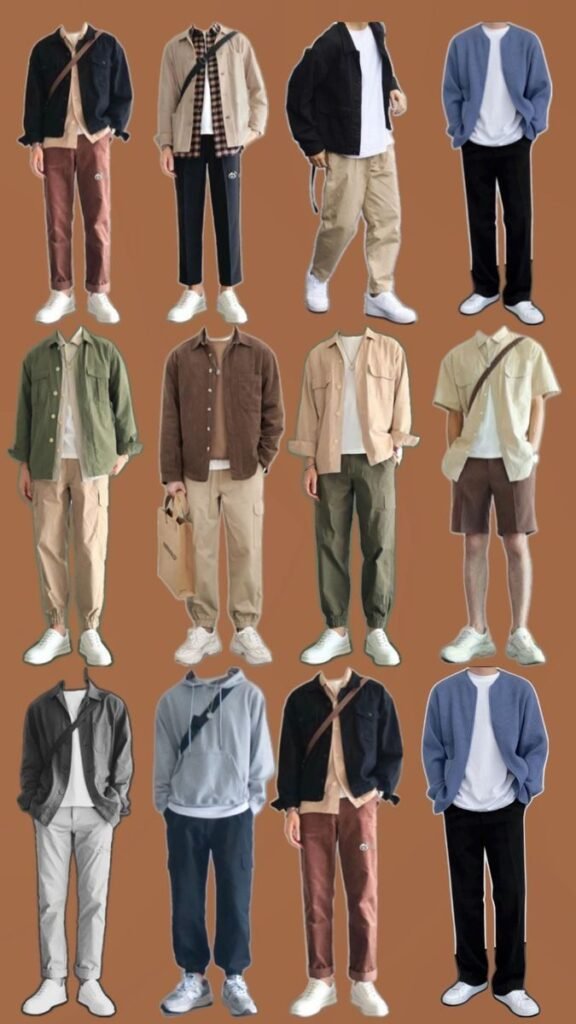
Chinos provide a relaxed alternative to dress trousers. Beige khaki stone navy and olive are especially useful.
Pleated trousers create a more traditional appearance and work well with Oxford shirts knit polos blazers and loafers.
Knitwear Over Shirts
Layering a crew-neck sweater over a collared shirt creates a classic combination with very little effort.
For example try a pale-blue shirt navy sweater beige trousers and brown loafers. The individual pieces are simple but the combination creates a cohesive appearance.
Outerwear
A wool overcoat trench coat field jacket or classic Harrington-style jacket can complement the aesthetic.
Outerwear should generally have a clean shape without excessive technical detailing oversized logos or unnecessary decoration.
How to Build an Old Money Wardrobe on a Budget
Prioritize Fit Before Brand
You do not need luxury labels to create an elegant wardrobe. A reasonably priced garment with good proportions can look more sophisticated than an expensive garment that fits poorly.
Start by checking shoulder placement sleeve length trouser break shirt collar and overall proportions.
If necessary inexpensive tailoring can make a significant difference.
Buy Fewer More Versatile Pieces
Instead of purchasing several trend-driven items concentrate on clothing that works across multiple outfits.
A useful starting wardrobe could include:
- One navy blazer
- Two or three Oxford shirts
- Two pairs of tailored trousers
- One pair of chinos
- Two fine-knit sweaters
- One cardigan
- One pair of loafers
- One clean pair of minimalist sneakers
- One versatile coat
- One simple leather belt
The exact wardrobe will vary by lifestyle climate and personal preference.
Pay Attention to Fabric and Maintenance
Fabric appearance matters. Natural fibers and good-quality blends can create attractive texture but the label alone does not determine quality.
Look for fabrics that hold their shape resist excessive pilling and feel appropriate for the season.
Maintenance matters just as much. Clean shoes properly stored knitwear pressed shirts and repaired garments make a wardrobe look more polished.
How to Style Old Money Clothes Casually
The aesthetic does not have to mean formal clothing every day.
For a casual weekend outfit try straight-leg dark denim with a white Oxford shirt navy cardigan brown loafers and a simple belt.
For warmer weather tailored shorts with a linen shirt and loafers can create a relaxed appearance. Women might pair a simple midi skirt with a tucked knit top and leather flats.
The secret is combining casual pieces with polished pieces. A relaxed outfit becomes more refined when the shoes proportions and color palette are carefully considered.
Old Money Style for Different Seasons
Spring
Spring is ideal for lightweight knitwear cotton shirts chinos loafers trench coats and pastel or muted colors.
Pale blue cream beige navy and soft green work pahttps://stylebydesign.site/
Summer
Linen cotton lightweight tailoring polo shirts relaxed trousers and simple dresses become practical choices.
For hot climates breathable fabric should take priority over rigid styling rules. A linen shirt and tailored trousers can maintain the aesthetic while remaining comfortable.
Fall
Fall allows richer textures and deeper colors. Wool trousers suede-inspired footwear knit sweaters corduroy structured jackets and long coats can add depth.
Chocolate brown camel burgundy olive cream and navy create an especially versatile autumn palette.
Winter
Winter styling benefits from layering. A wool coat over a sweater and collared shirt creates a strong classic combination.
For women a long wool coat over a knit dress or tailored trousers can create a refined silhouette. For men a dark overcoat with knitwear trousers and leather shoes provides a timeless winter uniform.
Common Mistakes When Wearing Old Money Clothes
Buying Logos Instead of Style
Large logos cannot substitute for good styling. The aesthetic works best when the clothing communicates quality through construction proportion and coordination rather than branding.
Making Every Outfit Too Formal
A wardrobe filled exclusively with blazers dress shirts and formal trousers can appear costume-like.
Modern old money style works because it mixes levels of formality. Combine tailored pieces with denim knitwear polo shirts simple sneakers or relaxed shirts.
Ignoring Fit
Even beautiful clothing can look ordinary when it is too tight too long or poorly proportioned.
Pay particular attention to shoulders trouser length sleeves and waist placement.
Overusing Beige
Neutral colors are central to the aesthetic but an entire outfit in nearly identical beige shades can become flat.
Use contrast through navy brown white gray olive or burgundy. Texture can also create visual interest.
Chasing Trends Too Literally
The old money aesthetic is strongest when it feels natural. Buying an entire wardrobe simply because an aesthetic is trending can result in clothes that do not fit your lifestyle.
Take the principles rather than copying a costume: quality appearance restraint classic proportions and versatility.
How to Make Old Money Clothes Feel Modern
Classic dressing does not require looking like you stepped out of another decade.
One effective approach is to combine traditional pieces with contemporary proportions. Try a relaxed blazer with straight-leg jeans a fine-knit polo with wide-leg trousers or a classic trench with minimalist sneakers.
Modern eyewear contemporary handbags understated jewelry and updated footwear can also prevent the outfit from appearing overly traditional.
The strongest version of the aesthetic is usually personal. Use classic clothing as the foundation then adjust silhouettes colors and accessories according to your own lifestyle.
Are Old Money Clothes Worth Buying?
Old money clothes are worth buying when they solve a real wardrobe need rather than simply matching a social-media trend.
A navy blazer that works with five different outfits has more practical value than a highly distinctive item that can only be worn once or twice.
Before buying something ask three questions:
- Does it fit properly?
- Can I style it with clothing I already own?
- Would I still wear it if the current aesthetic stopped trending?
If the answer is yes to all three it is more likely to become a useful long-term wardrobe piece.
FAQs About Old Money Clothes
What are old money clothes?
Old money clothes are understated classic garments associated with refined dressing. Common examples include tailored trousers Oxford shirts blazers knitwear loafers simple dresses wool coats and discreet accessories.
What colors are best for old money clothes?
Navy cream white beige camel brown gray black olive and muted burgundy are excellent choices. The emphasis is on sophisticated combinations rather than https://www.omhpakistan.com/
Can old money clothes be affordable?
Yes. The aesthetic depends more on fit fabric appearance color coordination and styling than on designer labels. Well-fitting affordable clothing can achieve the look effectively.
What shoes go with old money outfits?
Loafers are one of the strongest choices. Depending on the outfit leather flats simple boots boat shoes clean minimalist sneakers and classic dress shoes can also work.
Can jeans be part of old money style?
Yes. Straight-leg or classic dark-wash jeans can work particularly well. Pair them with an Oxford shirt knit sweater blazer loafers or simple leather accessories for a polished casual outfit.
Is old money style still fashionable?
The individual pieces associated with the aesthetic are largely classic rather than dependent on a single trend. The modern interpretation continues to evolve through changes in silhouettes footwear fabrics and styling.
Conclusion
The appeal of old money clothes is not really about looking wealthy. It is about creating a wardrobe that feels composed versatile and intentional. Tailored trousers crisp shirts classic knitwear loafers structured outerwear and restrained accessories provide a strong foundation without requiring excessive branding or expensive labels.
The most convincing approach is to focus on fit proportion fabric color and maintenance. Build gradually choose pieces that work together and adapt traditional elements to your lifestyle. A well-fitting navy blazer a clean shirt quality-looking trousers and polished shoes can often accomplish more than an entire wardrobe built around a fleeting aesthetic.
Old money style works best when it becomes part of your personal wardrobe rather than a costume. Choose the classic principles that genuinely suit you combine them with contemporary pieces and let consistency rather than conspicuous spending define the look.