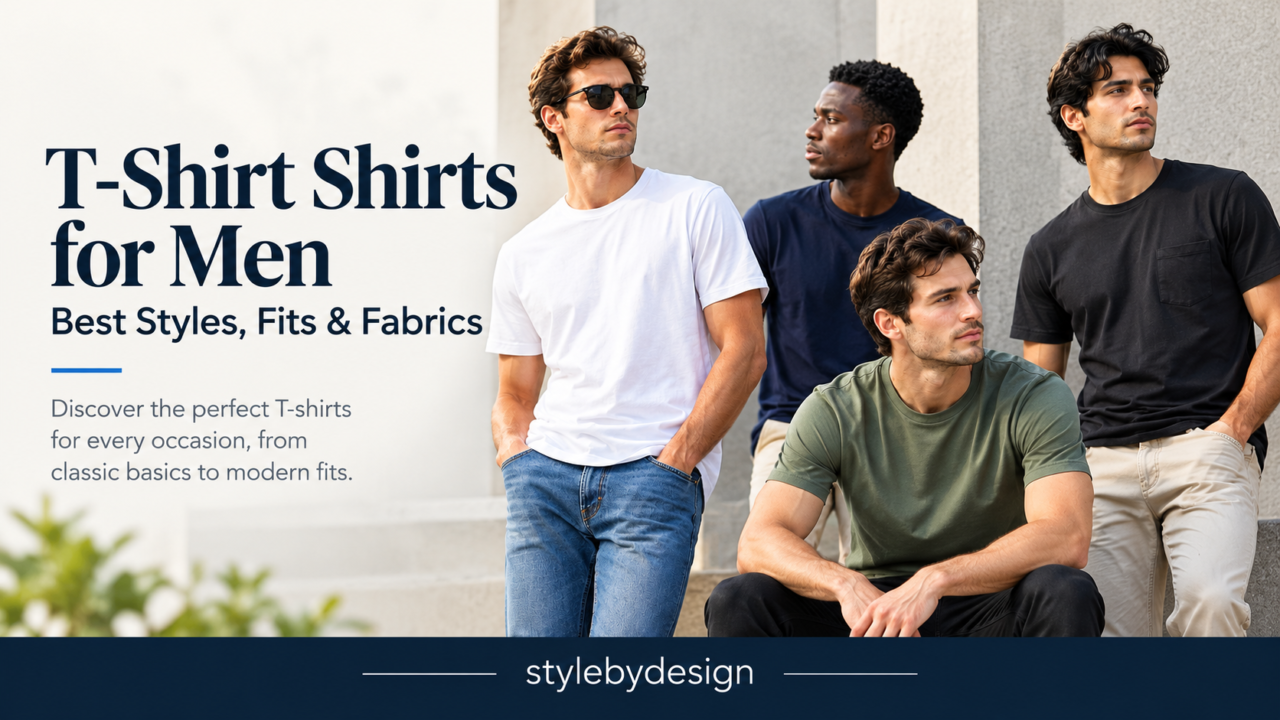
Why Every Man Needs a White T-Shirt
The appeal of a white T-shirt comes from its simplicity. Unlike graphic tees or heavily patterned tops, a plain white design allows the rest of an outfit to take the lead. It can make denim feel cleaner, balance darker colors, and provide a neutral base for jackets, overshirts, and knitwear.
A versatile foundation for everyday outfits
A well-fitting white tee can work across several settings. Pair it with straight-leg jeans and white sneakers for a classic weekend outfit, or wear it beneath a navy blazer with tailored trousers for a relaxed smart-casual look. In warmer weather, it works equally well with linen pants, chino shorts, and lightweight footwear.
For men who prefer a smaller wardrobe, a white T-shirt is particularly practical because it coordinates with many existing pieces. One good-quality tee can support several outfits without making them look identical. Changing the trousers, shoes, belt, or outer layer can completely alter the overall impression.
Minimalism without looking underdressed
Minimalist dressing depends on proportion, texture, and condition rather than decorative details. A plain white tee with a clean neckline, sleeves that sit neatly on the upper arm, and a body that follows the natural shape of the torso can look more considered than an expensive shirt with an awkward fit.
The key is choosing a design that suits the occasion. A thin undershirt may work beneath a sweater but lack the structure needed to wear alone. A heavier cotton T-shirt, on the other hand, can hold its shape and look more intentional with trousers or denim.
How to Choose the Right Fabric for White T-Shirts
Fabric affects comfort, durability, appearance, and how a T-shirt behaves after washing. The best choice depends on the climate, your preferred silhouette, and whether you intend to wear it alone or as a base layer.
Cotton: The everyday favorite
Cotton remains a popular choice because it feels comfortable against the skin and is available in a wide range of weights and finishes. A well-made cotton T-shirt can be breathable, easy to style, and suitable for regular use.
Look for fabric that feels reasonably substantial without being stiff. Very thin cotton may cling to the body, reveal more than expected, or lose its shape with repeated wear. Extremely heavy cotton can create a boxier silhouette and retain more warmth.
Combed cotton is processed to remove many shorter fibers and impurities, creating a smoother yarn. This can contribute to a softer, more refined surface, although the finished garment’s quality still depends on the yarn, knitting, stitching, and manufacturing.
Cotton jersey versus heavyweight cotton
Most everyday T-shirts use jersey knit fabric, which has a smooth face and a slightly textured reverse. It is flexible, comfortable, and suitable for both fitted and relaxed designs.
Heavyweight cotton tees generally have more structure. They can be useful for modern streetwear, boxy silhouettes, and outfits built around loose jeans or utility trousers. A midweight jersey is often more adaptable for daily wear because it balances structure and comfort.
Fabric weight alone does not determine quality. A heavy shirt can still shrink, twist at the seams, or develop an uncomfortable neckline if poorly constructed. Check the garment’s finish and care instructions alongside its thickness.
Cotton blends and performance fabrics
Cotton-polyester blends can dry faster than some pure cotton garments and may resist certain forms of shrinkage or wrinkling, depending on the construction. They can be useful for travel, exercise, and busy daily routines.
Cotton-modal blends often feel smooth and drape more closely to the body. That softness can be appealing, especially for lightweight layering, although a very fluid fabric may not deliver the crisp silhouette some men prefer.
For workouts, moisture-managing synthetic fabrics can be more practical than a traditional cotton tee. For everyday styling, however, cotton and cotton-rich blends remain reliable starting points.
How much fabric weight do you need?
There is no single ideal weight for every white T-shirt. Lightweight options are comfortable in hot weather and work well as undershirts. Midweight designs offer a useful balance for daily outfits. Heavyweight options provide a stronger silhouette and are particularly suited to contemporary casual styling.
If you live in a hot or humid climate, prioritize airflow and a comfortable fit. If you want a structured look with denim or relaxed trousers, a denser fabric may be worth considering. In either case, check the shirt under natural light before removing its tags, since white fabric can be more transparent than it appears indoors.
Finding the Best Fit for Your Body and Personal Style
Fit often matters more than the price or label. Even a well-made T-shirt can look unflattering when the shoulders, sleeves, or body length do not work with your proportions.
Regular fit: A dependable everyday option
A regular-fit T-shirt follows the body’s general shape without gripping the chest or stomach. Its sleeves usually sit around the middle of the upper arm, while the body allows comfortable movement.
This is a practical choice for men who want a versatile garment that can be worn alone or layered under a shirt or jacket. It works particularly well with straight-leg jeans, chinos, and classic sneakers.
Check that the shoulder seams sit close to the natural shoulder edge. The fabric should skim the torso rather than pull across the chest or hang excessively around the waist.
Slim fit: Clean and streamlined
A slim-fit tee typically has narrower sleeves and a closer cut through the chest and waist. It can create a neat appearance beneath an unstructured blazer, lightweight jacket, or open button-down shirt.
Slim fit does not mean tight. If the fabric stretches across your chest, the sleeves dig into your arms, or the hem rides upward when you move, try a different size or cut. Comfort and natural movement are better indicators of a good fit than the size printed on the label.
Oversized fit: Relaxed modern styling
Oversized white T-shirts work well with loose denim, cargo pants, wide-leg trousers, and relaxed shorts. The extra volume creates a casual silhouette associated with contemporary streetwear.
Proportion is especially important here. An oversized tee with relaxed trousers can look balanced when the fabric has enough structure to maintain its shape. If both pieces are excessively long and shapeless, the outfit may lose definition.
Try a slightly tucked front, a shorter boxy cut, or a cleaner pair of shoes to bring some structure to the look.
Choosing the right T-shirt length
The hem should suit how you plan to wear the shirt. For a classic untucked outfit, it generally looks balanced when it falls around the hip area without covering most of the seat. Shorter cuts can work with high-rise trousers, while longer designs are often intended for layered streetwear.
A T-shirt that is too short may expose the waist when you raise your arms. One that is too long can shorten the appearance of the legs, particularly when paired with low-rise pants.
Try sitting, reaching, and moving naturally when assessing a fit. A mirror view alone may not reveal how the shirt behaves throughout the day.
Choosing the Right Neckline and Shade of White
Small design choices influence how a plain T-shirt looks. Neckline shape, collar thickness, and the exact shade of white can change the overall style without introducing any patterns or logos.
Crew neck versus V-neck


7
A crew neck has a rounded neckline and is generally the most versatile option for wearing alone. It works with denim, casual jackets, overshirts, and most everyday outfits. A well-constructed collar should sit flat and retain its shape instead of stretching into a loose oval.
A V-neck exposes more of the upper chest and can be useful beneath open-collar shirts. It is also a traditional option for an undershirt when you do not want the neckline visible above your outer shirt.
For a simple wardrobe that covers the widest range of casual outfits, start with a classic crew neck. Add a V-neck if you regularly wear button-down shirts or prefer the shape.
Bright white, soft white, and off-white
Bright white creates a crisp contrast with black, navy, charcoal, olive, and blue denim. It suits clean, modern outfits and can make a simple combination feel sharp.
Soft white and off-white have a slightly warmer appearance. These shades pair naturally with beige chinos, brown leather accessories, cream knitwear, and earthy colors. They can also create a softer, vintage-inspired look when worn with faded denim.
Neither shade is universally better. Consider the colors already in your wardrobe, your preferred aesthetic, and the level of contrast you want. When buying replacements, compare the new shirt with your existing white garments because different whites can look noticeably mismatched when worn together.
How to Style White Color T-Shirts for Men
The most effective way to style a white T-shirt is to use its simplicity to create contrast, balance, or a clean foundation for other pieces. You do not need a complicated wardrobe. A few reliable combinations can cover everyday errands, social occasions, travel, and relaxed evenings.
White T-shirt with blue jeans

Blue jeans and a white tee are a dependable combination because the colors complement each other without competing for attention. Straight-leg and regular-fit denim create a classic silhouette, while relaxed jeans give the outfit a more contemporary feel.
For a casual daytime look, choose a medium-weight white crew neck, medium-blue jeans, and simple sneakers. Add a brown belt if you want a little more definition. Dark indigo denim and leather loafers create a slightly more refined version suitable for a casual dinner.
The fit of the jeans matters. If you wear an oversized T-shirt, relaxed denim can create a cohesive silhouette. If you prefer a slim or regular tee, straight-leg jeans often provide a more balanced result.
White T-shirt with black trousers

Black trousers create a sharper contrast with white cotton and offer an easy alternative to jeans. The combination works particularly well for evening plans, creative workplaces with relaxed dress codes, and smart-casual events.
Choose a tee with a clean neckline and enough structure to sit neatly against the body. Pair it with tailored black trousers and loafers, minimalist sneakers, or simple leather shoes. A black belt can tie the outfit together when the trousers have belt loops.
For a more elevated finish, add a charcoal overshirt or an unstructured blazer. Avoid assuming that a white tee automatically makes an outfit appropriate for every formal setting. Business-formal events and occasions with strict dress codes generally call for more traditional clothing.
White T-shirt with chinos
Chinos offer a useful middle ground between denim and formal trousers. Beige, navy, olive, and charcoal are especially easy to combine with white.
For an understated office-casual outfit, try a regular-fit tee with navy chinos and clean leather sneakers. For a weekend look, choose olive chinos, a relaxed white tee, and canvas shoes. Beige chinos and brown loafers create a warmer, more polished appearance.
Tuck the shirt in when you want a cleaner waistline, particularly with tailored chinos. Leave it untucked for a more relaxed outfit, provided the hem length works with the trousers.
White T-shirt with shorts in warm weather
A white T-shirt is a practical summer staple in the USA and in warmer regions around the world. Cotton or cotton-rich fabric can feel comfortable for everyday activities, provided the weight and fit suit the temperature.
Pair it with tailored chino shorts for a neat casual look, or choose relaxed cotton shorts for a more laid-back outfit. Linen-blend shorts can introduce texture and work particularly well in coastal or resort settings.
Keep the proportions in mind. A regular-fit tee usually works well with shorts that finish around the knee or slightly above it, depending on your preference. An oversized tee can look better with more relaxed shorts rather than very narrow, short-cut styles.
For very hot or humid days, a lighter fabric may feel more comfortable than heavyweight cotton. Check opacity before buying, particularly if the T-shirt is intended to be worn without an additional layer.
White T-shirt under a jacket or overshirt
Layering makes a white tee useful beyond warm-weather outfits. A denim jacket, olive overshirt, lightweight bomber, or casual blazer can change its character while keeping the base simple.
For a classic American casual look, combine a white tee with blue jeans and a denim jacket in a contrasting wash. For a more understated city outfit, try black trousers, a white crew neck, and a charcoal overshirt.
The neckline should sit neatly beneath the outer layer, and the T-shirt should not bunch excessively around the waist. A midweight fabric often works well because it has enough body to look good alone but remains manageable beneath a jacket.
What to Look for When Buying a Quality White T-Shirt
A T-shirt’s appearance on a hanger does not always reveal how well it will perform after repeated wear. Construction, fabric recovery, stitching, and care requirements all deserve attention.
Check the neckline and stitching
Inspect the collar for even stitching and a smooth finish. The neckline should lie flat rather than ripple, twist, or stretch excessively. Shoulder seams should be secure, and the side seams should hang straight.
A twisted side seam after washing can make the garment sit awkwardly on the body. While washing and drying methods can influence shape, inconsistent construction may also contribute to the problem.
Check the hem and sleeve openings for loose threads or uneven stitching. Small construction details are especially noticeable on plain white garments because there are no prints or patterns to distract the eye.
Evaluate opacity before buying
White fabric can be more revealing than darker colors, even when the material feels thick enough. Hold the shirt up to natural light or try it on in a well-lit fitting room. Look at how much the fabric reveals around the chest and whether the garment remains comfortable when you move.
If you want to wear the tee alone, a denser fabric may provide more coverage. If it will primarily be worn under shirts or sweaters, lighter fabric may be perfectly suitable.
Undershirt choice also affects the result. A skin-toned undershirt that closely matches your complexion is often less visible beneath white fabric than a bright white undershirt. This is a practical styling consideration rather than a strict rule.
Understand sizing and shrinkage
Sizing varies among brands, and a medium in one label may fit differently from a medium in another. Compare garment measurements when available, especially chest width, body length, and shoulder width.
Cotton can shrink under certain washing and drying conditions. Some garments are pre-shrunk, but that does not mean they are completely immune to changes in size. Read the care label and follow the recommended washing and drying instructions.
If you are between sizes, think about the intended fit. Choose based on the brand’s measurements and the silhouette you want rather than automatically sizing up or down.
Consider cost per wear
An expensive T-shirt is not necessarily better than an affordable one. What matters is whether the fabric, construction, fit, and longevity justify the price.
A simple way to compare options is to consider cost per wear. If a moderately priced shirt remains comfortable and presentable through frequent use, it may offer better value than a more expensive design that loses its shape quickly.
Look for clear fabric information, accessible care instructions, consistent sizing, and a return policy that lets you assess the fit. Brand reputation can be useful, but the garment itself deserves the final judgment.
How to Keep White T-Shirts Looking Fresh
White clothing shows certain stains and discoloration more readily than darker garments. Good care helps preserve the original appearance and reduces the need to replace otherwise wearable shirts.
Wash white tees correctly
Separate white garments from dark and strongly colored clothing to reduce the risk of color transfer. Follow the care label, use an appropriate amount of detergent, and avoid overcrowding the washing machine.
Treat visible stains promptly. Sweat, deodorant, food, and body oils can leave marks that become harder to remove over time. A suitable stain treatment, used according to its instructions, is usually a better starting point than aggressive scrubbing.
Do not automatically use the hottest water setting. The right temperature depends on the fabric, the garment’s care label, and the type of stain. Excessive heat can contribute to shrinkage or damage certain finishes.
Prevent yellowing and dullness
Yellowing around the neckline and underarms can result from a combination of sweat, body oils, deodorant ingredients, and detergent residue. Allow deodorant to dry before dressing, and avoid leaving worn shirts damp in a laundry basket for extended periods.
If a shirt begins to look dull, check whether detergent buildup or incomplete rinsing could be contributing. Use whitening products only when they are compatible with the garment’s fabric and care instructions. Chlorine bleach can weaken some fibers or damage finishes, so it should not be treated as a universal solution.
Dry shirts thoroughly before storing them. Keep them in a clean, dry space away from prolonged direct sunlight, which can affect some fabrics over time.
Maintain the original shape
Turn T-shirts inside out before washing if you want to reduce surface friction. Use the recommended cycle, and avoid excessive heat when tumble-drying unless the care label permits it.
For shirts that tend to shrink, air-drying or using a lower-heat setting may help. Smooth the garment into shape while it is still slightly damp, and fold or hang it according to the fabric’s needs.
A stretched neckline, distorted side seam, or persistent stain can make a white tee look worn even when the rest of the garment is in good condition. Regular, gentle care is often more effective than trying to restore a neglected shirt later.
Common Mistakes to Avoid When Wearing White T-Shirts
Choosing a shirt that is too transparent
A white tee can look fine under store lighting but become noticeably sheer in daylight. Check the fabric before buying, particularly if you plan to wear it on its own. A slightly denser jersey or a carefully chosen undershirt can solve the problem without requiring a heavier garment for every season.
Ignoring proportions
Wearing a good T-shirt with poorly balanced trousers can undermine the entire outfit. A very long tee may overwhelm slim trousers, while a tight shirt paired with extremely loose bottoms can create an unintended contrast.
Think about the complete silhouette. The shoulders, sleeve length, torso, hem, and trousers should work together rather than being chosen independently.
Wearing a faded or poorly maintained tee
White clothing looks best when it is clean and in good condition. Persistent yellow stains, a stretched collar, loose threads, and a warped hem can make even a well-designed shirt appear neglected.
Replace a tee when the fabric or construction no longer meets your needs. A small, versatile collection of well-maintained shirts is often more useful than a drawer full of worn-out options.
Frequently Asked Questions
Which fabric is best for white color T-shirts for men?
Cotton is a strong everyday choice because it is comfortable, versatile, and available in different weights. Midweight cotton jersey works well for many casual outfits, while heavyweight cotton suits structured streetwear. Cotton blends can be useful when quicker drying or reduced wrinkling is a priority.
How should a white T-shirt fit a man?
A white T-shirt should allow comfortable movement without pulling across the chest or hanging excessively around the waist. Shoulder seams should sit close to the natural shoulder edge, and sleeves should suit your preferred silhouette. Regular, slim, and oversized fits can all look good when styled intentionally.
What color pants go best with a white T-shirt?
Blue jeans, black trousers, navy chinos, beige pants, and olive trousers are all reliable choices. Blue denim creates a classic casual outfit, black trousers offer sharper contrast, and beige or olive bottoms create a softer, more relaxed appearance.
Are white T-shirts suitable for smart-casual outfits?
Yes. Choose a clean, well-fitting tee with a neat neckline and minimal visible wear. Pair it with tailored trousers, chinos, loafers, or minimalist sneakers. An unstructured blazer or overshirt can add refinement. The suitability of a T-shirt depends on the occasion and its dress code.
How can men prevent white T-shirts from turning yellow?
Wash shirts regularly, separate whites from colored garments, and treat sweat or deodorant marks promptly. Follow the care label, use an appropriate amount of detergent, and avoid leaving damp clothing in a laundry basket for long periods. Whitening products should be selected according to fabric compatibility.
Should men choose a white crew neck or V-neck T-shirt?
A crew neck is generally the more versatile option for everyday outfits, wearing alone, and layering under jackets. A V-neck can be useful beneath an open-collar shirt when you prefer the undershirt to remain less visible. The best choice depends on your wardrobe and personal preference.
Conclusion
White T-shirts earn their place in a man’s wardrobe through versatility, not complexity. The right one can work with jeans on the weekend, tailored trousers for a smart-casual evening, or shorts during warmer months. The secret is choosing a garment that suits your body, climate, and everyday routine.
When shopping for white color t shirts for men, pay attention to fabric weight, opacity, neckline construction, fit, and care requirements. Choose cotton for dependable everyday wear, consider heavier fabrics when you want a structured silhouette, and select the shade of white that complements your existing wardrobe.
You do not need dozens of options to dress well. Start with a well-made white crew neck that fits comfortably, then build a few combinations around pieces you already own. With thoughtful styling and proper care, a simple white T-shirt can remain one of the most dependable items in your wardrobe.
StyleByDesign.site — Fashion, personal style, and everyday wardrobe inspiration.