Choosing a wedding dress is easier when you stop treating it as a search for one universally “perfect” gown. The right wedding dress is the one that brings together your personal style, the setting of the wedding, the way you want to move, the fabric you enjoy wearing, the proportions you like, and the practical realities of your ceremony and reception.
If you are wondering how to choose a wedding dress for women, begin with the wedding itself. Consider the venue, season, formality, ceremony plans and overall aesthetic before becoming attached to a particular silhouette.
From there, evaluate the gown in layers: silhouette, neckline, fabric, construction, fit, comfort, alterations and accessories.
That approach is more useful than relying on rigid rules about which dress is supposedly “best” for a particular body shape. Contemporary bridal styling increasingly recognizes that women can wear a wide range of silhouettes successfully, provided the garment fits properly and reflects their preferences.
Start With the Wedding, Not the Dress
A wedding dress should make sense within the environment in which you will wear it.A formal evening wedding in a grand venue creates different practical and visual requirements from a small daytime ceremony, beach wedding or outdoor garden celebration.
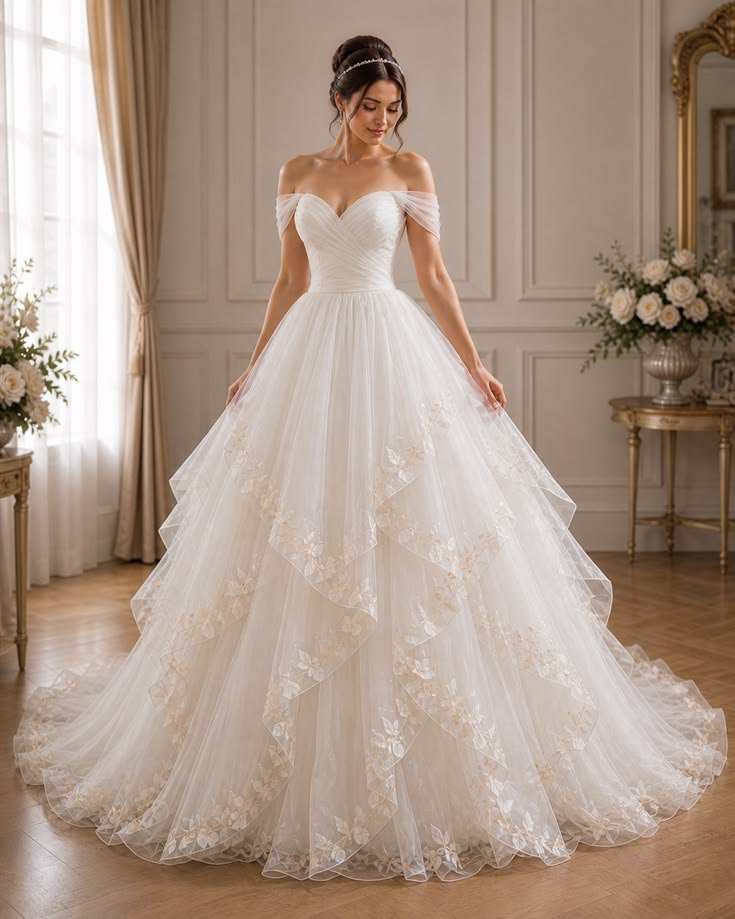
Before booking appointments, write down five things:
- Wedding venue
- Wedding season
- Ceremony and reception format
- Expected level of formality
- Personal style
You do not need to have your entire wedding aesthetic figured out. You simply need enough information to eliminate options that clearly do not fit the occasion.
For example, a dramatic ball gown can create beautiful volume in a formal setting, while a lightweight sheath or slip-inspired dress may feel more natural for a smaller city ceremony. Neither choice is inherently better. The difference is how the silhouette interacts with the setting.
Venue can also influence practical considerations. A dress with an extremely long train may look spectacular in a ballroom but require more management at an outdoor location. Likewise, a heavily structured gown can feel very different from a lightweight flowing dress during a warm-weather ceremony.
Current bridal fashion also offers more freedom than the traditional single-gown model. Recent runway coverage has highlighted wedding-ready separates, shorter dresses, suits, vintage-inspired pieces and alternative ceremony looks alongside traditional gowns.
The important point is not to follow a trend. It is to understand that your wedding dress does not have to fit one narrow definition of bridal style.
Understand Wedding Dress Silhouettes
The silhouette is the overall shape of a wedding gown. It determines much of the visual character of the dress and influences how the garment moves around the body.
Understanding the main silhouettes makes shopping considerably easier because you can communicate what you like without relying entirely on photographs.
A-Line
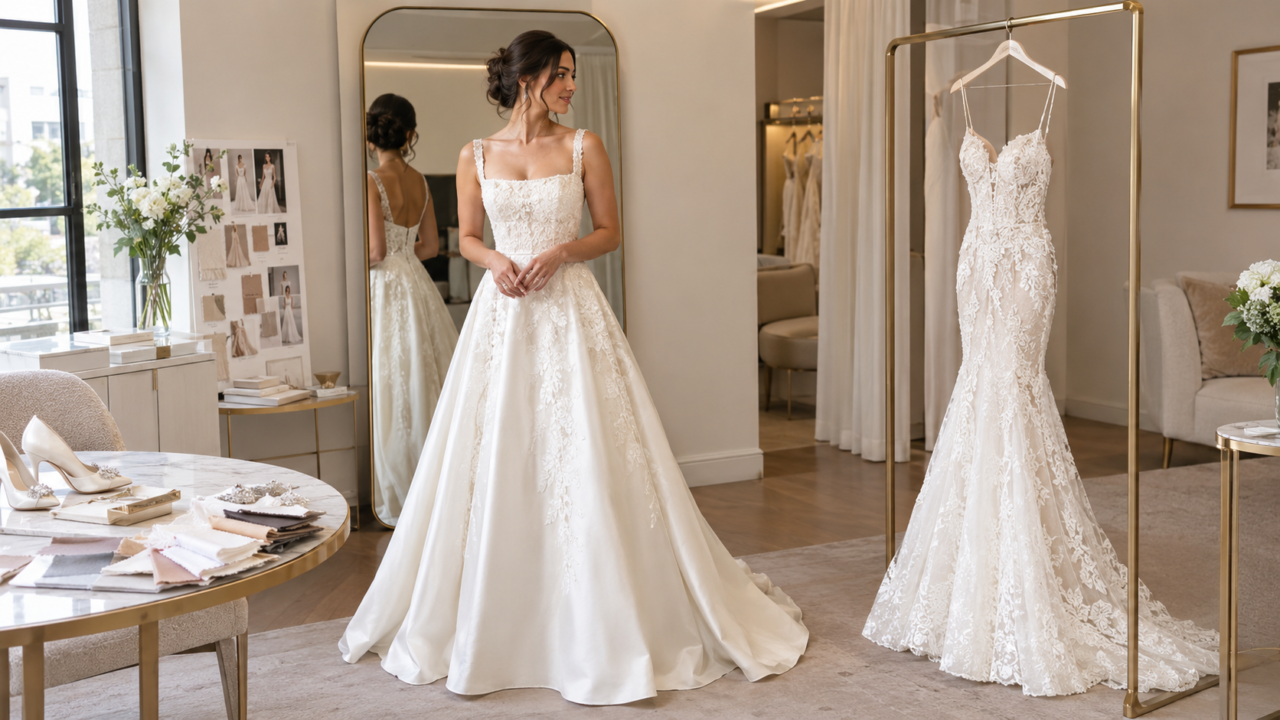
An A-line gown is fitted through the upper portion and gradually widens toward the hem.
It is one of the most adaptable bridal silhouettes because the gradual skirt shape can work with different fabrics, necklines and levels of embellishment.
An A-line dress can look understated in crepe, romantic in lace, architectural in Mikado, or airy with layers of tulle.
Choose an A-line if you like:
- A defined waist
- Moderate skirt volume
- Easy movement
- A classic bridal proportion
- Flexibility in styling
Ball Gown
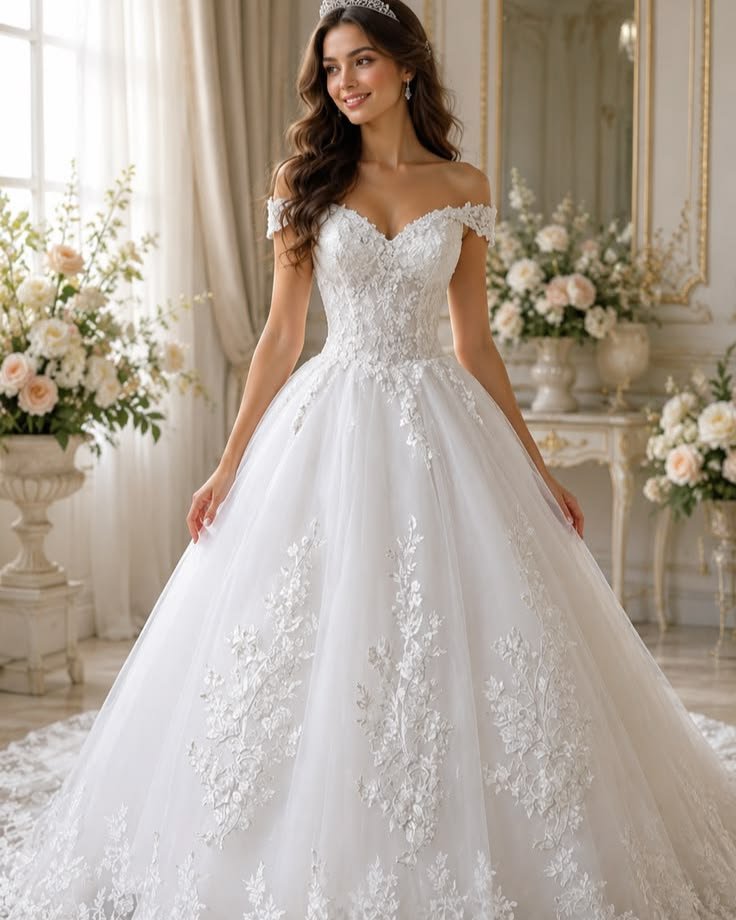
The ball gown combines a fitted bodice with a dramatically full skirt.
Its strongest visual characteristic is volume. Because the skirt occupies substantial space, it can create a formal, theatrical appearance without requiring extensive surface decoration.
A ball gown can be particularly effective when the dress itself is intended to be the main visual statement.
Keep the venue in mind, however. A very full skirt and long train require enough physical space for comfortable movement.
Mermaid
A mermaid gown closely follows the body through the torso and hips before widening near the lower leg.
The shape creates a strong contrast between a narrow upper silhouette and a dramatic hem.
It can work beautifully when you want the construction and shape of the dress to provide most of the visual interest.
The trade-off is mobility. Depending on the construction and how closely the gown fits, walking, sitting and dancing may require more consideration than with a fuller or straighter silhouette.
Trumpet
Trumpet gowns resemble mermaid silhouettes but generally begin to flare higher on the leg.
The distinction can be subtle, and retailers sometimes use silhouette terminology differently, so photographs and actual fitting are more useful than the label alone.
Sheath and Column
Sheath and column dresses maintain a relatively narrow vertical line.
They are useful for brides who prefer clean proportions, minimal volume or a modern aesthetic.
Crepe, silk, satin and other fluid fabrics can create very different interpretations of the same basic shape.
Empire
An empire silhouette places the waistline higher on the torso, generally just below the bust.
The resulting skirt falls away from the upper body rather than beginning at the natural waist.
It can create an elongated visual line and can work especially well with lightweight fabrics such as chiffon.
The best silhouette is not determined by a body-shape chart. Traditional bridal advice often assigns particular silhouettes to particular body types, but those rules can unnecessarily narrow your choices. The more useful question is: Which proportions do you enjoy seeing on yourself?
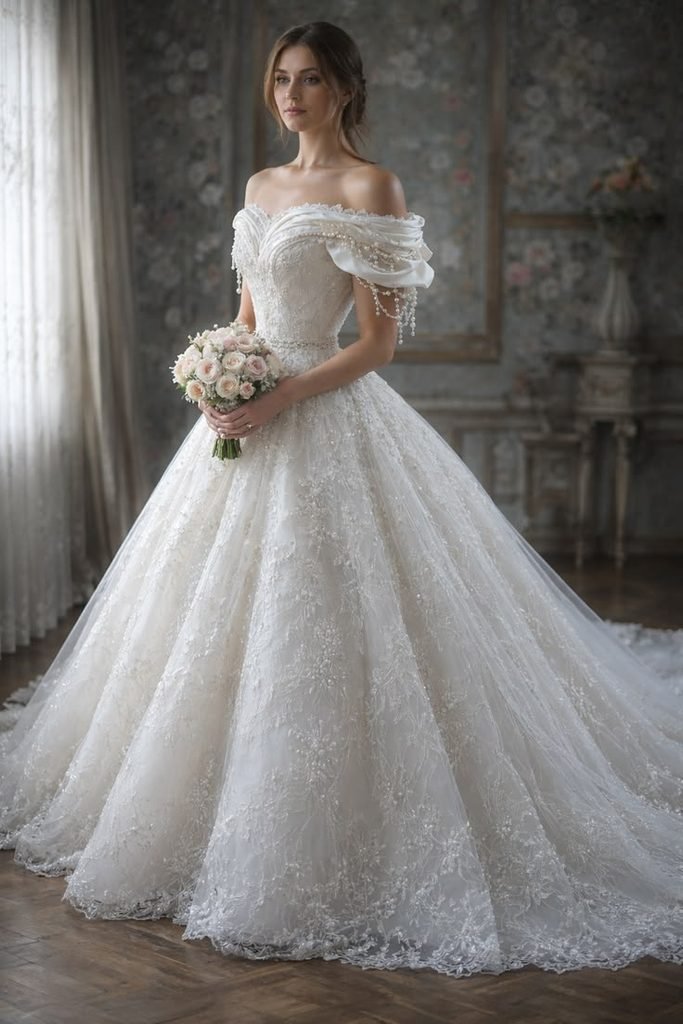
Choose a Silhouette Based on Proportion and Personal Style
Rather than asking which dress “hides” or “fixes” a particular body feature, think about visual proportion.
A dress can emphasize the waist, lengthen the body visually, create volume around the skirt, draw attention toward the neckline or create a continuous vertical line.
These are design choices, not corrections.
For example, if you love dramatic volume, there is little reason to eliminate a ball gown simply because a conventional guide recommends a narrower silhouette.
Likewise, if you prefer minimal clothing, choosing a heavily embellished gown because someone says it is more traditionally bridal may leave you feeling disconnected from your own style.
Try at least a few silhouettes during your appointments.
This is particularly useful when you have already developed a strong idea of what you want. A photograph can tell you whether you like a dress visually, but trying it on reveals how the garment changes posture, movement and proportion.
Your goal is not to try on every gown in the store. It is to test different design ideas.
Consider Necklines, Sleeves and Bodice Construction
Once you have identified silhouettes you like, look more closely at the upper part of the gown.
The neckline, bodice and sleeves have a major influence on how a wedding dress looks from both the front and back.
Neckline
Common bridal necklines include:
- Sweetheart
- Straight
- Square
- V-neck
- Scoop
- Halter
- High neck
- Off-the-shoulder
- One-shoulder
- Bateau
A square neckline can introduce a clean geometric quality. A sweetheart neckline creates a curved line. A V-neck can establish a strong vertical direction, while a high neckline can create a more covered and refined appearance.
Do not judge a neckline separately from the bodice.
A neckline can look completely different depending on whether the bodice is soft and draped, corseted, heavily boned, embroidered or minimally constructed.
Bodice Construction
The bodice is the section between the neckline and waist and may include boning, cups, lining, corsetry or other internal support.
Construction matters because a beautiful exterior does not compensate for an uncomfortable interior.
During a fitting, notice:
- Whether the bust feels secure
- Whether straps remain in place
- Whether boning digs into the body
- Whether the neckline shifts when you move
- Whether the waist feels excessively tight
- Whether you can breathe comfortably
- Whether you can sit naturally
A strapless gown deserves particular attention. Stand, walk, sit and raise your arms. If you are constantly pulling the dress upward, the fit or construction needs to be reconsidered.
Sleeves
Sleeves can dramatically alter the character of a gown.
Long lace sleeves can create a traditional or romantic effect. Clean fitted sleeves can look modern. Short sleeves and cap sleeves can provide additional coverage without visually overwhelming the dress.
For warm climates, remember that sleeve length is only one part of comfort. Fabric weight, lining, construction and airflow can matter just as much.
Choose the Right Wedding Dress Fabric
Fabric is not simply a decorative choice. It determines how the gown hangs, moves, photographs and feels against the skin.
The same silhouette can look completely different in satin, crepe, lace, chiffon or tulle. The Knot’s bridal fabric guide similarly notes that material influences a gown’s aesthetic, fit, movement and suitability for different seasons and settings.
Satin
Satin is known for its smooth surface and sheen, although technically “satin” describes a weave/finish rather than one single fiber.
It can be made from different fibers, including silk and synthetic materials.
Satin works well for clean, structured gowns as well as fluid silhouettes.
If you love polished, glossy bridal styling, satin is worth exploring. If you are getting married in hot weather, however, pay attention to the entire fabric composition and construction rather than choosing based solely on the word “satin.”
Crepe
Crepe has a matte appearance and characteristic texture. It can drape close to the body while retaining more structure than extremely fluid fabrics.
It is particularly useful for modern, streamlined gowns and can work with column, A-line, fit-and-flare and other silhouettes.
Lace
Lace can range from delicate and sheer to dense and highly textured.
It can be used throughout the gown or selectively on sleeves, bodices, backs and overlays.
Because lace varies enormously in weight, pattern and fiber, do not assume all lace dresses will feel the same.
Tulle
Tulle is lightweight and net-like. It is frequently used to create skirt volume, veils, overlays and sheer details.
Multiple layers can create substantial volume without relying on a heavy solid fabric.
Chiffon
Chiffon is lightweight and fluid and is particularly suited to gowns that need movement.
It can be a useful option for warm-weather weddings, although delicate fabrics should be evaluated for snagging, wrinkling and durability.
Mikado and Other Structured Fabrics
Mikado is a structured fabric commonly associated with polished, sculptural bridal gowns.
Its body makes it useful for architectural A-lines, ball gowns and other silhouettes where the skirt needs to maintain its shape.
The lesson is simple: choose fabric according to the visual effect and physical experience you want, not just the fabric name.
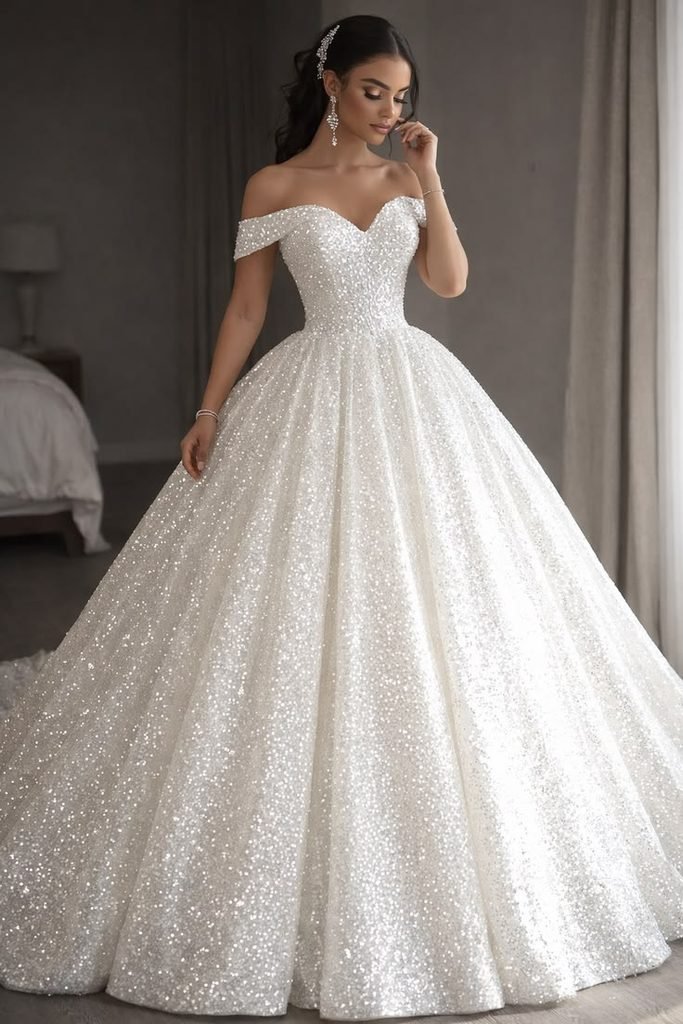
Match the Dress to the Season and Venue
Your wedding location should influence fabric, construction and silhouette.
Summer Weddings
For warm weather, consider:
- Lightweight chiffon
- Breathable crepe
- Lightweight lace
- Airier layers of tulle
- Less restrictive construction
The goal is not simply to choose the thinnest fabric available. A very lightweight dress may still feel uncomfortable if it has heavy lining, multiple layers or restrictive construction.
Winter Weddings
Cooler temperatures create more opportunities for:
- Structured satin
- Mikado
- Taffeta
- Heavier lace
- Long sleeves
- Layered styling
- Capes or tailored outer layers
Heavier fabrics can also create a more architectural silhouette.
Outdoor Weddings
Outdoor ceremonies require practical thinking.
Consider the surface you will walk across, the weather, the possibility of wind, the length of the train and whether you will need to move between locations.
A dramatic train may photograph beautifully but require bustling or assistance during the reception.
Beach Weddings
A beach setting generally works naturally with dresses that move easily.
Lightweight fabrics and simpler construction can make walking easier on sand.
That does not mean a beach wedding requires a casual dress. A refined silk or minimalist gown can look just as sophisticated as a heavily embellished design.
Think About Movement, Comfort and Fit
A wedding dress is not a photograph. You have to live in it for hours.
Before committing to a gown, perform a realistic movement test.
Walk several steps.
Sit down.
Stand again.
Turn around.
Raise your arms.
Take a slightly longer stride.
Imagine walking upstairs.
If the wedding involves dancing, practice a few simple movements.
Pay attention to the dress rather than simply looking in the mirror.
Can you breathe comfortably?
Does the waist remain in place?
Does the neckline shift?
Does the skirt restrict your stride?
Does the fabric catch against your shoes?
Can you imagine wearing it for several hours?
Fit is especially important because photographs capture the gown from multiple angles. Fashion stylist Micaela Erlanger has emphasized assessing the dress from the front, side and back, while noting that fit is central to the final result.
A gown that looks beautiful from the front but pulls awkwardly across the back is not finished yet.
Set a Realistic Wedding Dress Budget
Your dress budget should include more than the gown itself.
Potential costs include:
- Alterations
- Veil
- Shoes
- Undergarments
- Jewelry
- Hair accessories
- Bustle or train modifications
- Preservation
- Shipping, if ordering online
- Potential rush fees
Fabric and craftsmanship can affect gown pricing substantially. Two dresses described as “satin” can have very different prices because the fiber, construction, finish and craftsmanship differ.
The Knot’s 2024 attire research reported an average ceremony attire spend of $2,000 for brides, but an average is not a recommendation or a requirement; individual budgets vary considerably.
Instead of asking what a wedding dress “should” cost, establish the amount you are comfortable spending and find out exactly what that amount includes.
If buying online, carefully review measurements, shipping timelines, alteration requirements and return policies before placing an order. Current bridal shopping guidance also emphasizes checking shipping and returns when purchasing online.
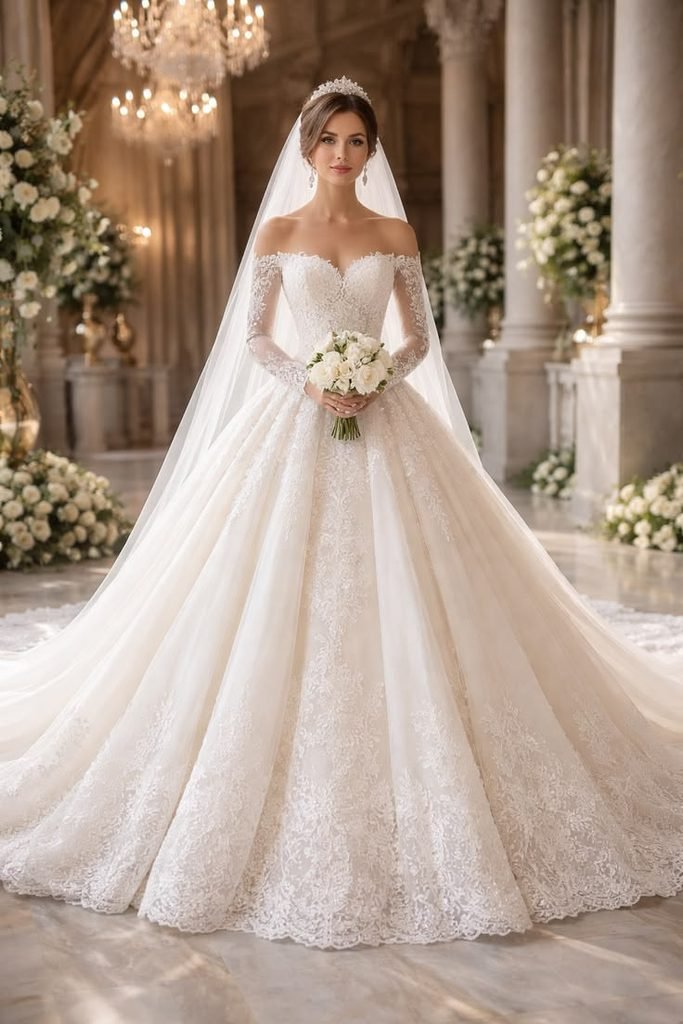
Prepare for Your Bridal Appointment
A successful appointment starts before you enter the store.
Bring a small collection of references rather than hundreds of screenshots.
Your reference images should show:
- Silhouettes you like
- Necklines you prefer
- Fabric textures
- Sleeve ideas
- Back details
- Overall wedding aesthetic
Also decide which features are non-negotiable.
For example:
“I want sleeves.”
“I do not want a train.”
“I prefer a structured skirt.”
“I want something easy to dance in.”
These statements are more useful than simply saying you want a “beautiful wedding dress.”
Wear appropriate undergarments and, if you already own your wedding shoes or know the approximate heel height, bring that information to fittings.
Take photographs when permitted. A dress can appear different on a phone camera than it does in a mirror, and photographs can help you compare gowns later.
Most importantly, do not judge every dress immediately.
A gown can look ordinary on the hanger but transform when worn because silhouette, proportion and movement cannot always be understood from a static garment.
Understand Alterations Before Buying
Alterations are part of wedding dress shopping, not an afterthought.
A gown may need changes to:
- Hem length
- Bust fit
- Waist
- Straps
- Sleeve length
- Neckline
- Train
- Bustle
- Closure
- Internal support
Ask the bridal shop what alterations are included and which are charged separately.
Also ask how the dress should fit before alterations.
A common mistake is buying a gown based on the assumption that every aspect can easily be changed. While skilled bridal alterations can accomplish a great deal, not every construction detail can be modified without affecting the original design.
Complex lace placement, beading, boning, corsetry and architectural structures may require more specialized work.
This is another reason to discuss alterations before paying for the gown.
Avoid Common Wedding Dress Shopping Mistakes
Choosing Only From Photos
A dress photographed beautifully may not have the same effect on your body, and a dress that looks ordinary online may become a favorite once fitted.
Following Body-Shape Rules Too Literally
Body-shape guides can provide vocabulary, but they should not become restrictions.
If you love a mermaid dress, try one.
If you dislike ball gowns, you do not need to wear one simply because someone says it suits your proportions.
Personal preference remains central to fashion.
Ignoring the Back
Wedding dresses are seen from behind during the ceremony, and guests may spend considerable time viewing the back during photographs and the reception.
Examine the back carefully.
Look at:
- Buttons
- Lace
- Low-back construction
- Illusion panels
- Corset details
- Train shape
- Closure
Choosing Beauty Over Movement
If you cannot comfortably walk, sit or dance, the dress may become a source of frustration.
A wedding gown needs to function as clothing, not just as an image.
Buying Too Early Without a Plan
Ordering significantly before the wedding can be useful because bridal gowns may require production and alteration time, but the exact timeline varies by designer and retailer.
Instead of relying on a universal deadline, ask the boutique about the specific gown, production schedule and alteration process.
Bringing Too Many Opinions
Family and friends can offer useful observations, but too many competing opinions can make a personal decision unnecessarily complicated.
A small, trusted group is often easier to work with than a large entourage.
Forgetting the Entire Look
The dress is the foundation, but your final appearance also includes shoes, veil or hair accessory, jewelry, hairstyle, makeup and potentially an outer layer.
A highly detailed dress may need relatively restrained accessories.
A minimalist gown may leave room for a stronger veil, statement earrings or architectural hairstyle.
The goal is visual balance.
How to Know When You Have Found the Right Dress
There is no universal emotional reaction that proves a wedding dress is “the one.”
Some brides experience an immediate response. Others arrive at the decision after comparing several dresses carefully.
Instead of waiting for a cinematic moment, ask practical and aesthetic questions.
Does the dress look like you?
Do you like the silhouette?
Do you feel comfortable?
Can you move naturally?
Does the fabric suit the season?
Does the gown make sense for the venue?
Do you like the dress from every important angle?
Can the alterations achieve the fit you need?
Does the total cost remain within your budget?
Can you imagine wearing it for the entire event?
If the answers are consistently positive, you have meaningful evidence that the gown works for you.
A useful final test is to imagine removing the styling.
Forget the bouquet, hairstyle, jewelry and dramatic lighting for a moment.
Look at the dress itself.
If you still appreciate its shape, construction, fabric and proportion, the design is probably doing the work rather than relying entirely on accessories.
A Simple Formula for Choosing a Wedding Dress
If the shopping process feels overwhelming, reduce it to seven decisions:
1. Wedding setting
Where will you wear the dress?
2. Formality
How formal should the gown feel?
3. Silhouette
Do you prefer volume, structure, fluidity or a narrow line?
4. Fabric
How should the dress move and feel?
5. Neckline and bodice
What kind of upper-body construction feels comfortable and visually right?
6. Fit and alterations
Can the gown be tailored properly to your measurements?
7. Personal style
Does the finished look feel authentically yours?
This framework is more flexible than trying to identify a single “perfect” wedding dress category.
Final Thoughts
Learning how to choose a wedding dress for women is ultimately an exercise in understanding design.
The silhouette establishes the overall proportion. Fabric determines movement, texture and structure. The neckline and bodice shape the upper part of the look. Venue and season influence practicality. Alterations refine the fit. Accessories complete the visual story.
Most importantly, the dress should support the woman wearing it rather than force her into a prescribed idea of what a bride is supposed to look like.
Start with the wedding, identify the silhouettes and fabrics that genuinely interest you, test different proportions, and pay close attention to movement and construction.
A wedding dress becomes convincing when design and wearer work together. That is a much more useful goal than finding a gown that simply matches someone else’s definition of the “right” dress.
FAQ
What is the most important thing to consider when choosing a wedding dress?
Fit is one of the most important considerations, but it should be evaluated alongside silhouette, comfort, fabric, venue and personal style. A beautiful gown that restricts movement or feels uncomfortable may not work well for a full wedding day.
How do I choose the right wedding dress silhouette?
Start by trying several silhouettes rather than choosing entirely from body-shape rules. Compare A-line, ball gown, column, sheath, mermaid and trumpet styles and observe which proportions and movement you personally prefer.
Which wedding dress fabric is best?
There is no single best fabric. Satin, crepe, lace, chiffon, tulle, organza and Mikado create different levels of structure, sheen, movement and texture. Season, venue, silhouette and budget should influence the decision.
Should a wedding dress match the wedding venue?
It does not need to match literally, but the venue should influence the dress. A heavily structured gown may suit a formal ballroom, while a lightweight, flowing design can be practical for an outdoor or warm-weather ceremony.
Should I choose a wedding dress based on my body shape?
Body-shape guidelines can provide useful design vocabulary, but they should not limit your choices. Trying different silhouettes and deciding which proportions make you feel confident is a more flexible approach.
How should a wedding dress fit?
The gown should feel secure without making breathing, walking or sitting difficult. During a fitting, check the bust, waist, straps, neckline, back and hem. Walk and sit in the dress before making a final decision.
How much alteration does a wedding dress usually need?
It depends on the gown, your measurements and how close the original sample is to your body. Common adjustments include the hem, waist, bust, straps, sleeves and train. Ask the retailer about alteration services and costs before purchasing.
Should I choose my wedding dress based on current bridal trends?
Trends can provide inspiration, but they do not need to determine your choice. Current bridal fashion includes everything from traditional gowns to minimalist dresses, separates, suits and shorter looks.