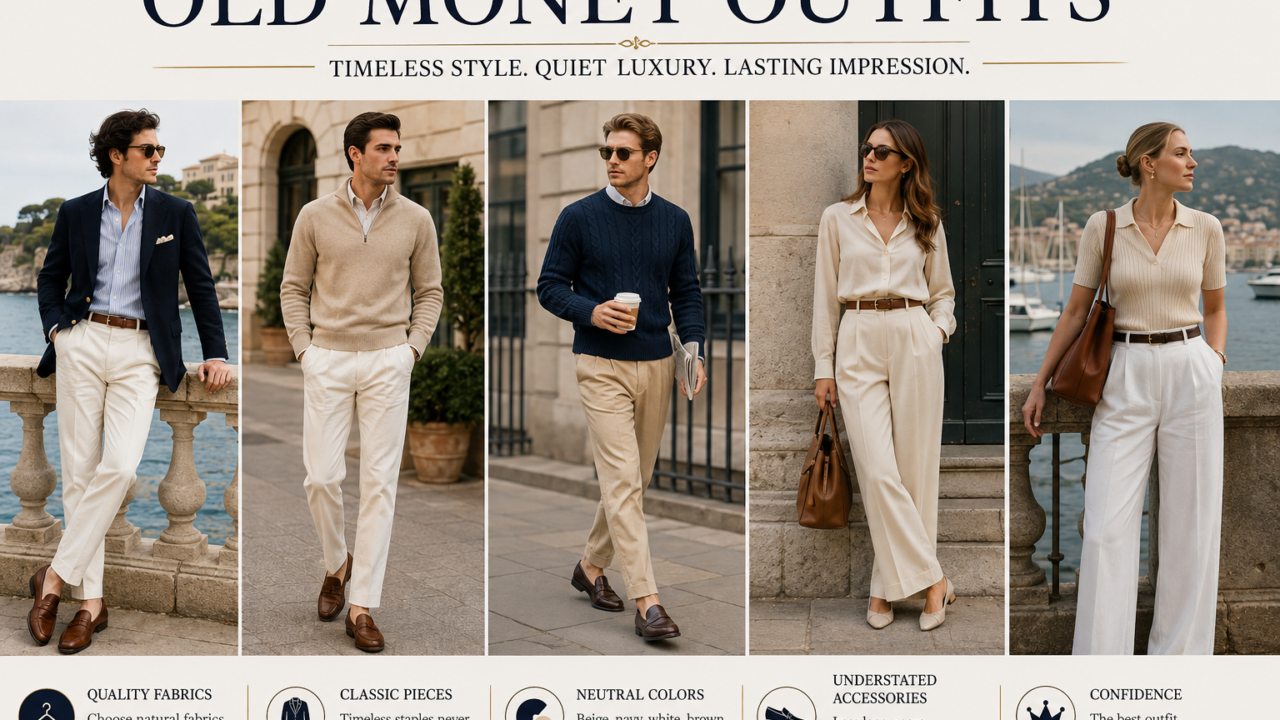
The appeal of old money outfits comes from their ability to look polished without appearing overly styled. Think tailored trousers crisp shirts fine knitwear loafers structured coats understated accessories and colors that work together effortlessly. The aesthetic is rooted in classic dressing rather than chasing every seasonal trend which makes it surprisingly practical for everyday wardrobes.
For a modern wardrobe however old money style does not mean dressing like a historical character or buying expensive designer labels. The strongest looks focus on fit fabric proportion restraint and thoughtful coordination. A well-cut pair of trousers can have more impact than a heavily branded garment.
This guide explains what old money outfits really mean the essential pieces behind the aesthetic how to build outfits for different occasions and seasons and how to achieve the look without an enormous clothing budget.
What Are Old Money Outfits?
Old money outfits are clothing combinations inspired by traditional understated luxury. The style emphasizes timeless silhouettes quality-looking materials neutral colors classic tailoring and minimal branding.
The aesthetic is often associated with country-club dressing collegiate style European resort wear equestrian influences traditional tailoring and heritage fashion. Modern interpretations have also been influenced by the broader quiet luxury movement although the two concepts are not exactly identical.
Old money style is best understood as a styling philosophy rather than a strict dress code. The goal is to create an appearance that feels composed sophisticated and relatively effortless.
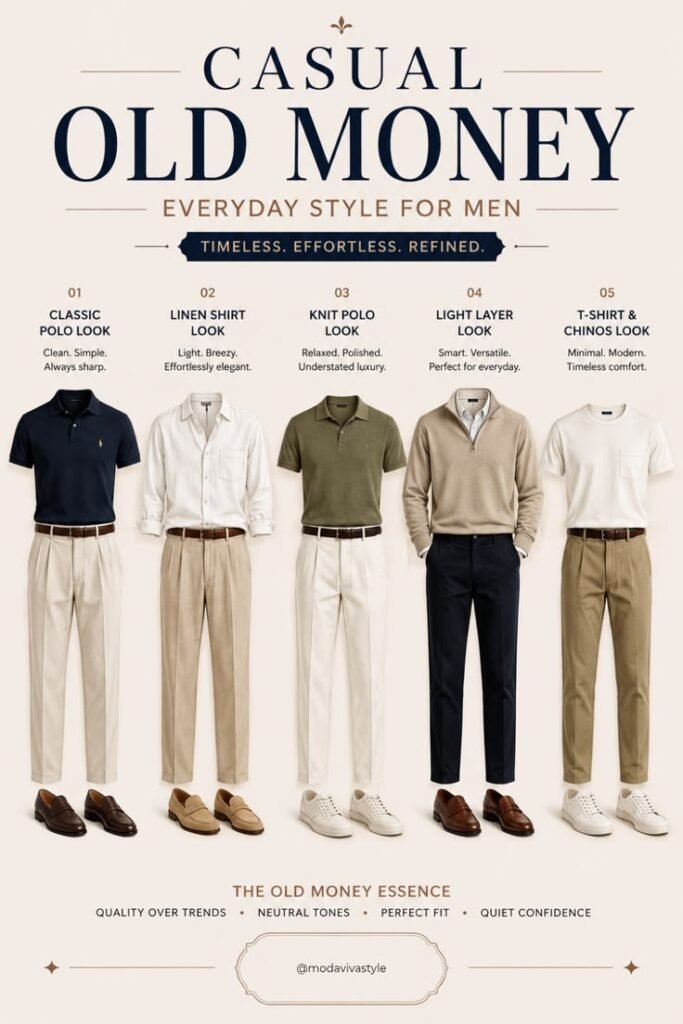
The Core Characteristics of Old Money Style
Several details repeatedly appear in successful old money-inspired wardrobes:
- Neutral and muted colors
- Clean tailoring
- Classic shirts and knitwear
- Straight or relaxed trousers
- Loafers loafers-inspired shoes and clean leather footwear
- Structured outerwear
- Minimal visible logos
- Leather belts and understated watches
- Simple refined accessories
- Natural-looking fabrics and textures
- Balanced proportions
The key is restraint. Wearing every traditional element at once can make an outfit look costume-like. Combining two or three strong elements with modern basics usually creates a more convincing result.
Why Old Money Style Remains Popular
The popularity of old money outfits is partly connected to a broader shift toward timeless wardrobes. Many shoppers have become more interested in clothing that can be worn repeatedly instead of pieces designed around short-lived microtrends.
There is also a practical advantage. A navy blazer white Oxford shirt beige trousers or dark loafers can work across multiple occasions. Instead of needing a completely different wardrobe for every trend cycle the wearer can change the styling while keeping the foundation intact.
Social media has also helped make the aesthetic recognizable around the world. Images of tailored outfits preppy layers coastal clothing and understated luxury have created a visual language that can be adapted across different cultures and climates.
Old Money Does Not Mean Expensive
One of the biggest misconceptions is that old money style requires expensive designer clothing.
It does not.
Price and appearance are not the same thing. A moderately priced garment with excellent proportions clean construction and appropriate styling can look significantly more refined than an expensive piece with poor fit.
The most useful approach is to invest selectively in pieces that receive frequent wear while keeping less important basics affordable.
Essential Pieces for an Old Money Wardrobe
A strong old money wardrobe does not need hundreds of garments. A carefully selected group of versatile pieces can create dozens of combinations.
Oxford Shirts and Crisp Button-Downs
A white pale blue cream or subtle striped button-down shirt is one of the easiest foundations for the aesthetic.
For a relaxed look wear it untucked with tailored trousers or chinos. For a sharper appearance tuck it into trousers and add a leather belt.
Avoid excessive decoration. The strength of the shirt comes from its simplicity.
Tailored Trousers
Trousers are particularly important because they determine the silhouette of the entire outfit.
Look for straight-leg pleated or gently relaxed trousers in shades such as:
- Navy
- Charcoal
- Stone
- Beige
- Cream
- Brown
- Olive
Extremely skinny trousers generally work less naturally with contemporary interpretations of old money style. A cleaner slightly relaxed silhouette tends to look more current.
Knitwear
Fine-gauge sweaters cardigans quarter-zips and cable-knit styles can add depth without overwhelming an outfit.
Crewneck sweaters work especially well over collared shirts. A cardigan can create a softer more traditional appearance while a quarter-zip offers a sportier interpretation.
Neutral shades such as navy oatmeal gray forest green and camel are particularly versatile.
Blazers and Structured Jackets
A navy blazer is one of the most useful pieces in this style category.
For a classic combination pair it with:
Navy blazer + light blue shirt + beige trousers + brown loafers
The outfit is formal enough for many smart-casual occasions while remaining relaxed.
For a more contemporary interpretation replace the traditional shirt with a fine knit polo or lightweight crewneck.
Loafers and Classic Shoes
Footwear can completely change the impression of an outfit.
Penny loafers horsebit-inspired loafers suede loafers leather derbies and clean minimal sneakers can all work depending on the setting.
Brown leather is particularly versatile with beige cream navy olive and gray clothing. Black shoes provide a sharper contrast and work especially well with darker tailoring.
Belts and Watches
Accessories should support the outfit rather than become its main attraction.
A simple leather belt that coordinates with the shoes creates visual consistency. A traditional watch with a leather or understated metal strap can add refinement without relying on obvious branding.
Sunglasses should follow the same principle. Classic frames usually work better than extremely futuristic shapes for this aesthetic.
Best Old Money Outfits for Men
Old money style has a particularly strong relationship with traditional menswear but it does not require formal dressing.
Classic Everyday Look
Try a pale blue Oxford shirt with beige chinos brown loafers a leather belt and a navy lightweight jacket.
This combination works because the colors complement one another without becoming visually complicated.
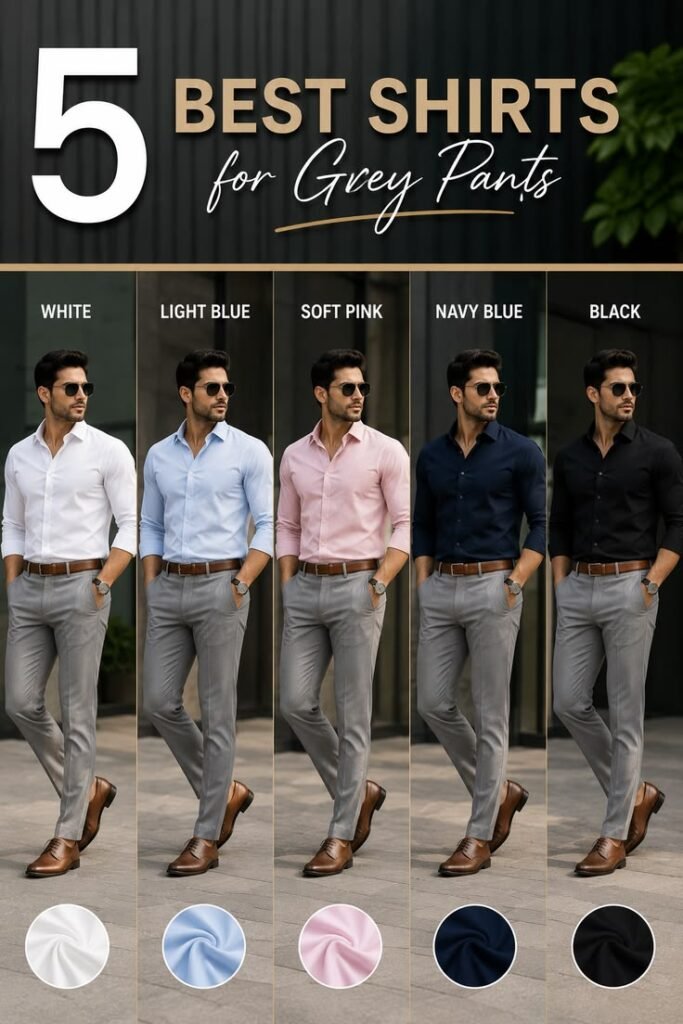
Summer Old Money Outfit
For warm weather choose breathable fabrics and lighter colors.
A cream linen shirt tailored beige trousers brown loafers and understated sunglasses create a polished summer look without requiring heavy layers.
A knitted polo can replace the shirt when a more relaxed appearance is appropriate.
Smart Casual Evening Outfit
For dinner or an evening gathering consider:
- Navy trousers
- White or cream shirt
- Fine-knit sweater or unstructured blazer
- Dark brown loafers
- Minimal watch
The result is refined without looking excessively formal.
Winter Old Money Outfit
Cold-weather dressing provides excellent opportunities to layer.
A wool overcoat can sit over a turtleneck or crewneck sweater while tailored trousers and leather shoes complete the outfit.
Camel charcoal navy dark brown and cream are especially effective together during winter.
Old Money Outfits for Women
The aesthetic works equally well in women’s fashion where tailoring and classic feminine silhouettes can be combined with modern proportions.
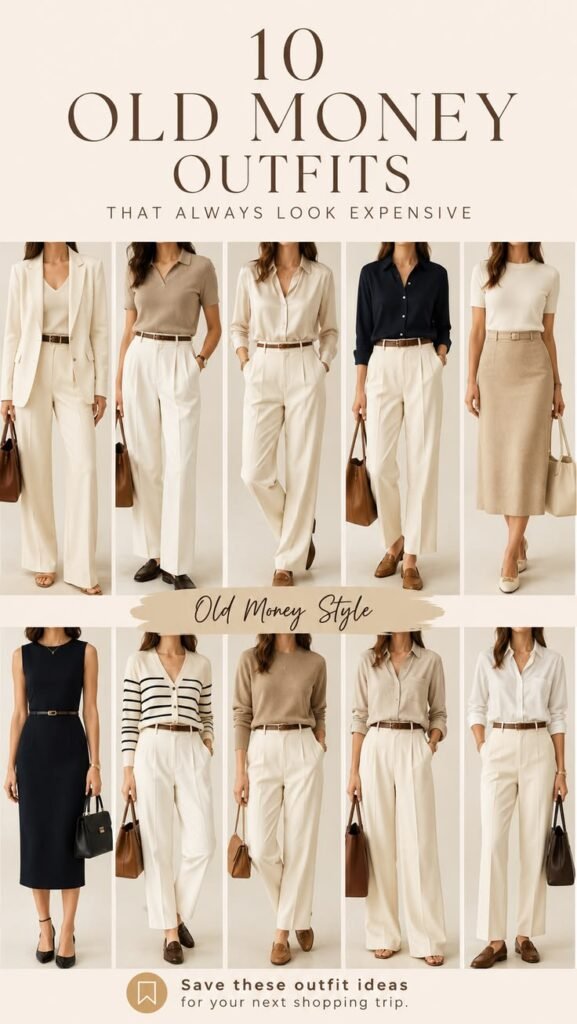
Tailored Trousers and Knitwear
High-waisted tailored trousers paired with a fitted or slightly relaxed knit top create a simple foundation.
Add loafers ballet flats or understated leather footwear depending on the occasion.
The important detail is proportion. If the trousers are wide a more fitted top can create balance. With straight-leg trousers a relaxed shirt or sweater can work beautifully.
Blazers and Pleated Skirts
A structured blazer paired with a pleated midi skirt can produce a polished interpretation of traditional preppy dressing.
Keep accessories restrained and allow the silhouette to provide most of the visual interest.
Dresses and Classic Outerwear
Simple midi dresses in navy cream black brown or muted prints can fit naturally into the aesthetic.
Add a structured coat leather loafers or simple flats for an elegant everyday combination.
Summer Styling
Warm-weather old money outfits often work best when they feel light rather than heavily accessorized.
Consider:
- Linen trousers
- Cotton shirts
- Knit polos
- Midi skirts
- Simple sundresses
- Leather sandals
- https://stylebydesign.site/
Cream white tan navy and soft blue create a particularly cohesive summer palette.
The Best Colors for Old Money Outfits
Color is one of the easiest ways to make an outfit look refined.
Neutral Foundations
Start with colors that can easily be combined:
- White
- Cream
- Beige
- Taupe
- Gray
- Navy
- Black
- https://old-money.com/
These shades create a flexible foundation and reduce the need for excessive styling.
Adding Richer Colors
Old money style does not have to be completely neutral. Deep green burgundy chocolate brown muted red and dark blue can add personality while maintaining a classic appearance.
The trick is controlling the amount of contrast.
For example a burgundy sweater with cream trousers and brown loafers can look sophisticated because the strong color is balanced by quieter shades.
How to Make Old Money Outfits Look Modern
A common mistake is copying vintage or traditional references too literally.
Modern styling requires balance.
Mix Classic and Contemporary Pieces
You might pair tailored trousers with minimalist sneakers or a traditional Oxford shirt with relaxed denim.
This keeps the outfit connected to current fashion without losing its classic foundation.
Pay Attention to Proportion
Contemporary old money-inspired outfits often look better with slightly relaxed proportions rather than extremely fitted clothing.
A boxier blazer straight trousers or relaxed shirt can make a classic outfit feel current.
Avoid Overstyling
If the outfit already contains tailoring knitwear loafers and a structured coat you probably do not need several statement accessories.
The aesthetic works because each piece has room to be noticed.
How to Create Old Money Outfits on a Budget
You can recreate the visual language of old money style without buying luxury labels.
Prioritize Fit
Fit should come before brand.
A basic shirt that fits correctly through the shoulders and torso will usually look more polished than a premium shirt that is too large or too tight.
Trousers should sit comfortably at the waist and fall cleanly without excessive bunching.
Choose Fabrics Carefully
Look for cotton wool linen leather suede and well-finished synthetic blends when appropriate.
Fabric does not need to be extremely expensive but it should hang well and suit the season.
Build Around Versatile Pieces
Instead of buying ten pieces that only work with one outfit purchase garments that can be combined repeatedly.
A navy blazer white shirt beige trousers dark denim brown loafers and neutral knit sweater can already form a surprisingly large number of outfits.
Take Care of Your Clothes
Garment care has a major impact on appearance.
Iron or steam shirts remove lint from knitwear polish leather shoes store structured garments properly and follow washing instructions.
A well-maintained affordable wardrobe can look more sophisticated than an expensive wardrobe that is poorly cared for.
Old Money Style for Different Occasions
The aesthetic can be adapted to everyday life rather than reserved for formal events.
Office and Business Casual
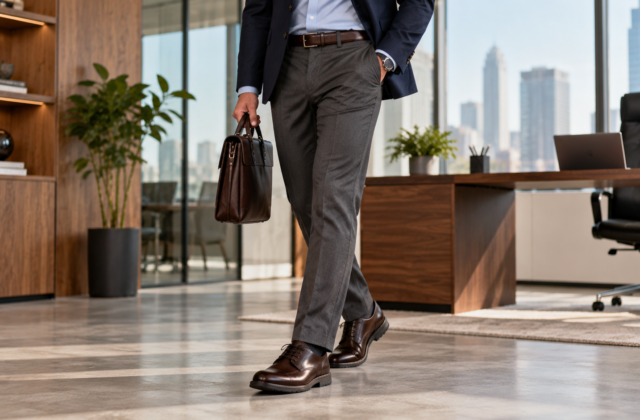
For an office environment combine tailored trousers with a button-down shirt and blazer. Loafers or understated leather shoes complete the outfit.
Where workplace rules are more relaxed a fine knit polo can replace the traditional shirt.
Weekend Dressing
Weekend outfits can be considerably more relaxed.
Try dark straight-leg jeans with a cream sweater loafers and a lightweight jacket. Alternatively chinos with a polo shirt and clean sneakers can create an easy polished look.
Travel Outfits
Travel clothing should prioritize comfort without becoming sloppy.
Relaxed trousers a breathable knit top lightweight jacket and comfortable leather sneakers can create a sophisticated travel uniform.
Layering is especially useful because airports aircraft cabins and destinations can have very different temperatures.
Resort and Vacation Style
The old money aesthetic is particularly compatible with resort dressing.
Linen shirts tailored shorts lightweight trousers knit polos simple dresses leather sandals and woven accessories can create an elegant vacation wardrobe.
The goal should be relaxed refinement rather than formal clothing in a holiday setting.
Common Mistakes to Avoid
Old money styling becomes less convincing when every element is exaggerated.
Wearing Too Many Traditional Pieces at Once
A cable-knit sweater riding boots tweed jacket pleated trousers silk scarf loafers and vintage-inspired accessories may technically fit the aesthetic but together they can look theatrical.
Choose a few defining elements instead.
Focusing on Logos
Visible branding can undermine the understated quality associated with the aesthetic.
A discreetly branded garment may work perfectly well but the outfit should not depend on recognizable logos to communicate quality.
Ignoring Fit
Even beautiful colors and expensive materials cannot rescue an awkward silhouette.
Tailoring small adjustments such as trouser length sleeve length or waist fit can make a substantial difference.
Treating Neutral as Boring
Neutral colors are useful but personality still matters.
Texture proportion subtle patterns and occasional richer colors can make the wardrobe distinctive.
Old Money Outfits and Quiet Luxury: What Is the Difference?
Old money style and quiet luxury overlap but they are not interchangeable.
Old money outfits often draw from recognizable traditional references such as collegiate clothing country-club style classic tailoring equestrian influences and heritage pieces.
Quiet luxury is broader. It focuses primarily on understated design premium-looking materials subtle construction and the absence of obvious branding.
A navy blazer and loafers can belong to both aesthetics while a preppy rugby shirt may feel more specifically connected to old money styling.
Understanding this difference helps prevent the wardrobe from becoming a collection of internet trend references rather than a coherent personal style.
How to Build Your Own Old Money Wardrobe
Start with the clothes you already own rather than replacing everything.
Choose three or four colors that work together and identify the silhouettes you feel most comfortable wearing. Then build gradually.
A practical starting wardrobe could include a crisp white shirt light blue shirt navy blazer beige trousers dark jeans neutral knitwear brown loafers clean sneakers a leather belt and a structured coat.
Once these pieces are working together add personality through texture subtle patterns seasonal colors and accessories.
The strongest old money wardrobe is not the one that looks most expensive. It is the one where almost everything works together.
FAQs About Old Money Outfits
What Are Old Money Outfits?
Old money outfits are refined clothing combinations built around timeless tailoring classic silhouettes muted colors quality-looking fabrics and understated accessories. The style commonly incorporates elements of preppy collegiate heritage and traditional menswear.
Do Old Money Outfits Have to Be Expensive?
No. Expensive designer clothing is not required. Good fit coordinated colors clean fabrics thoughtful proportions and proper garment care are more important to achieving the overall appearance.
What Colors Work Best for Old Money Style?
Navy cream white beige brown gray black olive burgundy and dark green are particularly versatile. Neutral colors provide the foundation while deeper shades can add character.
What Shoes Go With Old Money Outfits?
Loafers are one of the strongest choices but leather derbies ballet flats understated boots clean sneakers and classic sandals can also work depending on the outfit and occasion.
Can Old Money Style Be Casual?
Yes. Dark denim knitwear polos chinos relaxed shirts loafers and clean sneakers can create casual versions of the aesthetic. The focus should remain on clean proportions and coordinated styling.
How Can I Make Old Money Style Look Modern?
Use classic pieces with contemporary proportions. Slightly relaxed trousers understated sneakers modern knitwear simplified accessories and fewer traditional styling elements can keep the look current.
Conclusion
The best old money outfits are built on a simple principle: refinement comes from thoughtful choices rather than obvious displays of wealth. Classic shirts tailored trousers knitwear structured outerwear loafers and restrained accessories provide a strong foundation but the real difference comes from fit proportion color coordination and garment care.
You do not need to copy a social-media aesthetic piece by piece. Instead take the elements that suit your lifestyle and combine them with the clothes you genuinely enjoy wearing.
A wardrobe built around versatile classics will also remain useful beyond the current trend cycle. That is ultimately what makes old money style so appealing: when done well it feels less like following a trend and more like developing a personal uniform with lasting character.