What Is Scene Style?
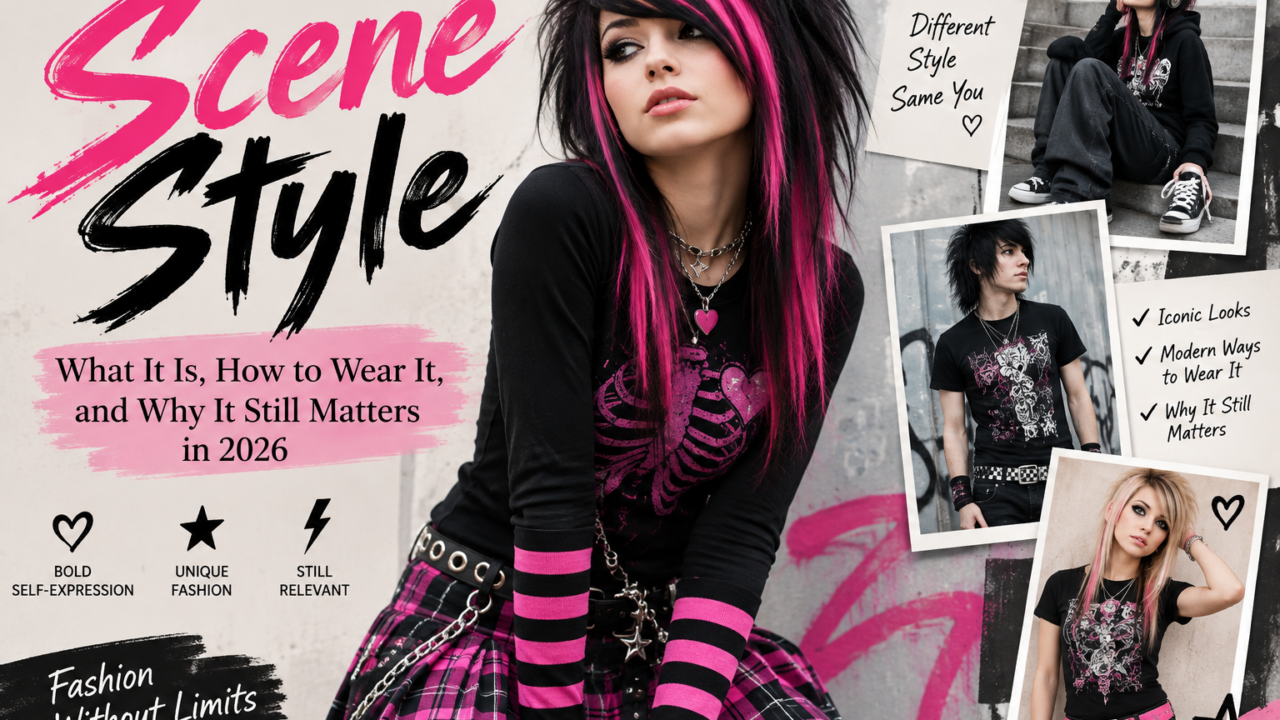
Scene style is an expressive alternative fashion aesthetic associated with bold colors, graphic clothing, skinny silhouettes, statement hair, dramatic accessories, and a strong connection to alternative music and internet culture. It became especially recognizable during the mid-to-late 2000s and early 2010s, when platforms such as MySpace helped young people build highly visual identities around music, fashion, photography, and online communities.
The defining feature of scene style has never been one specific garment. It is the combination of attitude, styling, color, music culture, and personal expression.
Classic scene outfits often combine skinny jeans, graphic T-shirts, studded belts, Converse-style sneakers, colorful accessories, and layered jewelry. Hair can be just as important as clothing, with heavily layered cuts, side-swept bangs, bright streaks, and dramatic volume forming a recognizable part of the aesthetic.
In 2026, scene style can be approached differently. Instead of copying an exact 2008 outfit, modern wearers often borrow selected elements and mix them with contemporary streetwear, denim, oversized pieces, sneakers, or minimalist basics.
That makes the aesthetic easier to wear while preserving its rebellious personality.
The Origins of Scene Style
Scene Fashion and MySpace Culture
The scene aesthetic developed alongside online youth communities during the 2000s. MySpace played a particularly important role because profiles, photographs, music playlists, and comments allowed people to communicate their identity visually.
Fashion became part of that digital identity.
A person could use brightly colored hair, dramatic makeup, graphic shirts, accessories, and carefully styled photographs to communicate their interests before anyone even heard them speak. The result was a fashion culture that was strongly connected to online self-presentation.
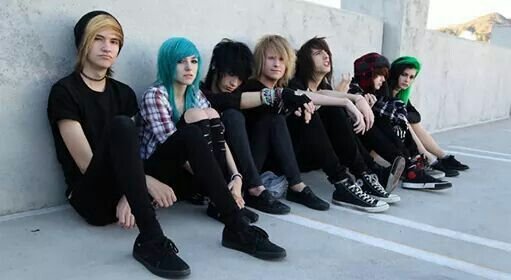
The Influence of Alternative Music
Scene style also developed around alternative music communities, including pop-punk, post-hardcore, emo, metalcore, and related genres.
This musical connection helps explain why the aesthetic often looks energetic rather than polished in a traditional fashion sense. Band shirts, distressed denim, sneakers, bracelets, belts, and layered clothing all fit naturally into the visual language.
Music wasn’t simply an accessory to the look. For many people, it was part of the identity behind it.
How the Look Became Recognizable
By the late 2000s, scene fashion had developed a recognizable visual formula:
- Very fitted jeans
- Graphic or band T-shirts
- Bright colors mixed with black
- Studded or statement belts
- Canvas sneakers
- Layered bracelets
- Large or colorful hair
- Heavy eyeliner
- Skinny silhouettes
- Playful prints and accessories
The important point is that scene style was never completely uniform. Different communities interpreted it differently, which is why two people could both identify with the scene aesthetic while dressing quite differently.
Key Elements of Scene Style
Skinny Jeans and Alternative Denim
Skinny jeans became one of the strongest visual elements of classic scene outfits. Black, gray, dark blue, and brightly colored denim all worked particularly well.
The reason skinny jeans worked so effectively was proportion. They created a narrow silhouette that contrasted with graphic T-shirts, oversized hoodies, dramatic hair, and large accessories.
For a contemporary version, you do not have to limit yourself to skinny denim. Slim-straight jeans, distressed denim, or even relaxed jeans can modernize the outfit while maintaining the alternative feeling.
Graphic T-Shirts
Graphic shirts are central to scene fashion because they immediately communicate personality.
Band shirts are an obvious choice, but graphic designs do not have to be music-related. Cartoon graphics, bold typography, unusual illustrations, retro artwork, and colorful prints can all work.
For a stronger outfit, pair a graphic shirt with relatively simple bottoms. This gives the graphic enough visual space without making every part of the outfit compete for attention.
Hoodies and Layering
Layering adds depth to a scene-inspired outfit.
A graphic T-shirt under a zip hoodie is one of the easiest combinations. You can also experiment with flannels, lightweight jackets, oversized sweatshirts, or fitted long-sleeve shirts.
The trick is to vary proportions. If the top is oversized, a narrower bottom can create balance. If the jeans are relaxed, a more fitted graphic tee can keep the outfit from looking shapeless.
Belts, Bracelets, and Jewelry
Accessories can transform a basic outfit into something recognizably alternative.
Studded belts, leather-inspired bracelets, stacked wristbands, chains, rings, and layered necklaces have historically worked well with scene fashion.
Modern styling benefits from restraint. Instead of wearing every possible accessory, choose two or three strong pieces.
A black belt with metal hardware and several bracelets may be enough to establish the aesthetic without making the outfit look like a costume.
Scene Style Hair and Beauty
The Classic Scene Haircut
Hair has always been one of the most recognizable components of scene style.
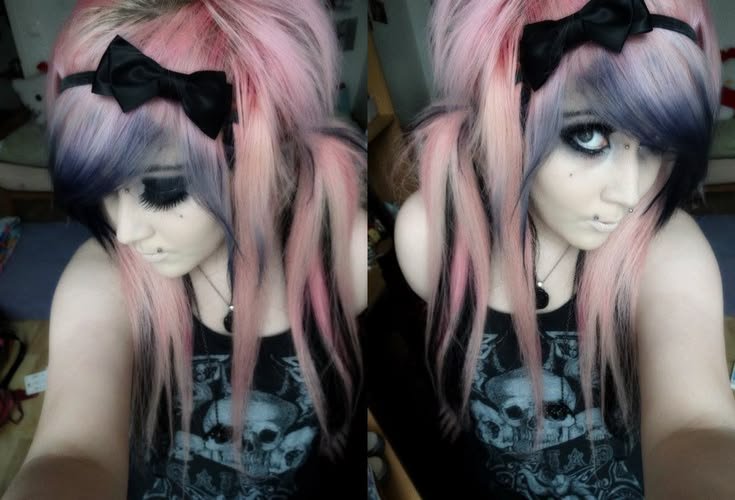
Classic cuts often feature substantial layering, volume at the crown, long side-swept bangs, and heavily textured ends. Some people also incorporated bright streaks or contrasting colors.
The dramatic shape matters more than copying one specific haircut.
A modern interpretation can use a layered medium-length cut, textured fringe, curtain-inspired sections, or strategically placed color while keeping the deliberately expressive character of scene hair.
Hair Color
Black, platinum, blonde, red, pink, blue, purple, and combinations of contrasting colors have all appeared within alternative and scene-inspired aesthetics.
If an all-over bright color feels too extreme, colored sections or temporary color products can provide a more flexible option.
The strongest approach is to choose a color that works with your existing wardrobe rather than treating hair and clothing as completely separate decisions.
Makeup
Classic scene-inspired makeup often emphasizes the eyes.
Black eyeliner, smoky shadow, mascara, and defined brows can create the dramatic appearance associated with the aesthetic. The goal is not necessarily heavy makeup everywhere; instead, the eyes usually become the focal point.
For a modern version, a softer smoky eye or graphic eyeliner can achieve a similar effect with a cleaner finish.
How to Dress in Scene Style in 2026
Modern scene fashion works best when you borrow the visual language rather than reproduce an old outfit exactly.
Start With One Statement Piece
If you are new to the aesthetic, begin with one recognizable element.
Try a graphic T-shirt, black skinny jeans, colorful sneakers, statement hair, or a bold accessory. Then build the rest of the outfit using contemporary basics.
For example, a graphic tee with black jeans and clean sneakers creates an accessible starting point. Add bracelets or a statement belt when you want more intensity.
Mix Old and New Silhouettes
One of the easiest ways to update scene style is to combine nostalgic details with current proportions.
A fitted graphic shirt can work with relaxed denim. A vintage-looking band tee can pair with modern sneakers. A dramatic hairstyle can contrast with a simple black outfit.
This approach keeps the look connected to scene culture without making it appear like a historical recreation.
Use Color Intentionally
Scene fashion is famous for color, but wearing every bright color simultaneously is not necessary.
Black provides a strong foundation. From there, choose one or two accent colors such as red, pink, purple, blue, or neon green.
For example:
Black graphic tee + black jeans + red accessories + neutral sneakers
The result is visually strong without becoming chaotic.
Build an Outfit Around Personality
Scene style works particularly well when clothing communicates something about the wearer.
A music fan might focus on band shirts. Someone interested in colorful fashion might emphasize bright hair and accessories. Another person may prefer a darker interpretation using black denim, graphic tees, silver jewelry, and layered outerwear.
There is no single correct scene outfit.
The strongest version is the one that feels intentional rather than copied.
Scene Style Outfit Ideas
Casual Scene Outfit
For an everyday look, try a graphic T-shirt, slim or relaxed black jeans, canvas sneakers, and layered bracelets.
A lightweight hoodie can be added when the weather requires another layer.
This combination works for casual outings, concerts, shopping, and informal social settings.
Dark Scene Outfit
For a darker interpretation, build the outfit around black.
Try a black graphic tee, black denim, silver jewelry, a statement belt, and dark sneakers or boots.
Small amounts of metallic hardware can keep an all-black outfit visually interesting.
Colorful Scene Outfit
For a more traditional scene-inspired appearance, introduce color through the shirt, accessories, or hair.
A colorful graphic tee with black jeans creates a strong contrast. Add colorful bracelets, sneakers, or hair accents to increase the visual energy.
Modern Scene Outfit
A modern interpretation might combine an oversized graphic T-shirt, relaxed black denim, contemporary sneakers, layered necklaces, and textured hair.
The outfit retains the alternative character of scene style while using proportions that feehttps://aesthetics.fandom.com/
Concert Scene Outfit
For a concert, practicality matters as much as appearance.
Choose comfortable footwear, breathable layers, and clothing that allows movement. A graphic shirt, dark jeans, lightweight overshirt, and compact accessories can create a strong concert outfit without becoming uncomfortable after several hours.
Scene Style for Different Seasons
Spring
Spring is ideal for lighter layering.
Try a graphic tee with jeans and a lightweight overshirt. Colorful accessories can add the traditional scene energy without requiring heavy clothing.
Summer
Keep the outfit simple.
A graphic T-shirt, lightweight jeans or shorts, sneakers, and a few statement accessories can work well. If you use bold hair or makeup, keep the clothing slightly cleaner to maintain balance.
Fall
Fall naturally supports the layered side of scene fashion.
Hoodies, flannels, denim jackets, graphic tees, and darker jeans can be combined easily. This is also a good season for experimenting with deeper colors such as burgundy, dark purple, forest green, and black.
Winter
Cold weather allows more dramatic layering.
A graphic tee can sit underneath a hoodie, jacket, or oversized coat. Scarves, beanies, boots, and heavier accessories can complete the outfit while providing warmth.
Common Scene Style Mistakes to Avoid
Copying the Past Too Literally
Wearing every recognizable element from an old scene outfit can make the look feel more like a costume than personal fashion.
Choose the elements that genuinely appeal to you and update the rest.
Using Too Many Statement Pieces
Bright hair, graphic clothing, chains, dramatic accessories, colorful sneakers, and bold makeup can all compete for attention.
A better strategy is to establish a focal point.
If the hair is dramatic, simplify the clothing. If the shirt has a huge graphic, keep accessories controlled.
Ignoring Fit
The right aesthetic can still look unpolished if the clothes fit poorly.
Pay attention to shoulder seams, trouser length, waist fit, sleeve length, and overall proportions. Scene style is expressive, but it still benefits from intentional styling.
Treating Black as the Only Option
Black is an important part of the aesthetic, but scene fashion can be colorful and playful.
Red, pink, purple, blue, green, white, and neon accents can create much more personality.
Scene Style vs. Emo, Goth, and Punk Fashion
Scene style is often confused with other alternative aesthetics because they share certain elements.
Emo fashion commonly emphasizes darker colors, emotional or music-related graphics, fitted silhouettes, and expressive hair, although individual interpretations vary.
Goth fashion generally has a stronger connection to dark romantic, Victorian, industrial, or macabre visual traditions.
Punk fashion is strongly associated with rebellion, DIY customization, distressed clothing, leather, patches, studs, and political or cultural expression.
Scene style overlaps with all three but is particularly recognizable for its colorful, youthful, internet-driven visual identity and connection to alternative music culture.
These categories are not rigid boxes. Fashion communities influence one another, and many people combine elements from several aesthetics.
Why Scene Style Is Appealing Again
Scene style continues to attract attention because fashion regularly revisits earlier youth cultures and internet aesthetics.
But nostalgia is only part of the story.
The aesthetic also fits current interest in individuality, alternative fashion, customized clothing, expressive hair, and subcultural styling. Social platforms make it easy for older aesthetics to be rediscovered, remixed, and adapted by a new generation.
The modern approach is less about following a strict formula and more about selecting recognizable references and making them personal.
That flexibility is one reason scene-inspired fashion can still feel relevant.
How to Make Scene Style Look Personal
The best way to wear scene style is to create your own visual formula.
Start by identifying three things:
- Your preferred color palette
- Your favorite silhouette
- Your strongest statement element
You might prefer black and red, relaxed denim, and graphic shirts. Someone else may choose pastel colors, fitted jeans, and colorful hair.
Once those choices are established, repeat them naturally across outfits.
Consistency creates personal style without requiring an identical wardrobe every day.
Frequently Asked Questions About Scene Style
What is scene style in fashion?
Scene style is an alternative fashion aesthetic associated with expressive clothing, graphic shirts, fitted or layered silhouettes, colorful accessories, dramatic hairstyles, and alternative music culture. Its most recognizable period was the 2000s and early 2010s, but modern interpretations continue to adapt its key elements.
Is scene style still popular in 2026?
Scene-inspired fashion remains relevant through the continued interest in nostalgic internet aesthetics, alternative fashion, expressive hair, and 2000s-inspired clothing. In 2026, the look is often updated with contemporary silhouettes rather than copied exactly from the original https://stylebydesign.site/
What clothes are considered scene?
Common scene-inspired clothing includes graphic and band T-shirts, skinny or slim jeans, hoodies, flannels, statement belts, canvas sneakers, layered jewelry, bracelets, and alternative outerwear. Bright colors mixed with black are also strongly associated with the aesthetic.
What is the difference between scene and emo style?
Scene and emo styles overlap in music culture, dramatic hair, graphic clothing, and fitted silhouettes. Scene fashion is generally more colorful and playful, while classic emo styling often uses darker colors and a more subdued palette. In practice, the boundaries can overlap considerably.
How can I dress scene without looking outdated?
Use classic scene details with modern proportions. Pair a graphic or band T-shirt with contemporary denim, clean sneakers, and a few statement accessories. You can also modernize the look through current haircuts, simpler layering, and a more controlled color palette.
Can scene style be colorful?
Absolutely. Color is one of the defining characteristics of traditional scene fashion. Black can provide the base while bright shades such as pink, blue, purple, red, or neon green are used as accents through clothing, accessories, footwear, or hair.
Conclusion
Scene style remains interesting because it was never simply about a particular pair of jeans or a specific haircut. It represented a way of combining music, fashion, personality, and digital self-expression.
The classic aesthetic is easy to recognize through graphic clothing, fitted denim, bold accessories, dramatic hair, and energetic color combinations. But wearing it successfully in 2026 means giving those elements room to evolve.
You do not need to recreate a head-to-toe 2000s outfit. Start with one or two scene signatures, combine them with clothing that fits your current wardrobe, and let your personality determine how far you take the look.
That balance between nostalgia and individuality is what makes scene style more than a throwback. It gives alternative fashion a flexible visual language that can continue changing with the people who wear it.